Best Low Profile Milwaukee Packout Mounts for Professional Tradespeople in 2024
Introduction to Criteria for High-Performance Tool Mounting Systems
Choosing the right low profile packout mounts starts with understanding how they’ll be used day to day. Professional tradespeople need mounts that stay rock-solid in a service van, on shop walls, or on a rolling cart—without stealing precious inches of clearance. High-performance systems balance profile height, strength, and precise fit with Milwaukee Packout footprints so cases lock in quickly and release just as reliably.
Key criteria to evaluate include:
Structural strength: Look for heavy duty mounting plates cut from quality steel or aluminum that resist flex, edge wear, and repeated loading.
True low profile: A thin stack height preserves drawer clearance and keeps cases from catching on van doors or shelving while still supporting weight.
Retention geometry: Latch cutouts and contact points should match Packout tolerances, preventing rattle and accidental release during vibration and impact.
Versatile mounting patterns: Multiple hole options, slotting, and layout marks simplify installs on plywood, 80/20, Unistrut, or sheet metal bulkheads.
Vibration and corrosion resistance: Tight tolerances, deburred edges, and durable finishes help mounts stay quiet and perform in wet, salty, or dusty environments.
Serviceability: Replaceable hardware and accessible fasteners make swaps fast when changing case layouts or adding tool storage wall mounts.
Documentation and fabrication support: Clear specs and custom fabrication files (DXF) let you modify or reproduce brackets quickly to match unique rigs.
For fabricators, precision is just as critical as materials. Cut-ready custom fabrication files should include accurate hole spacing, kerf-aware profiles, and notes for countersinks or threaded inserts when required. Instant-download DXF files from Boco Custom help shops move directly from CAD to laser cutting, reducing trial-and-error and keeping installs consistent across vehicles or crews.
In the field, these criteria translate to time saved and tools protected. A low-profile plate on a van bulkhead allows a stack of Packout organizers to clear a sliding door track, while a shallow drawer insert keeps a Packout compact organizer flush so it doesn’t rob storage height. Boco Custom’s USA-made, laser-cut metal mounting solutions are designed for secure tool organization and clean installs; for example, their heavy duty low profile mounting plate reflects the tight tolerances and smart hole patterns that matter on real jobs. Whether you’re buying ready-made plates or downloading DXFs for in-house cutting, the best choice is the one that stays low, locks tight, and keeps your workflow moving.
Top Recommendations for Low Profile Heavy Duty Mounting Plates
Choosing the right low profile packout mounts starts with rigidity and clearance. The best designs keep the Packout footprint close to the surface without interfering with latch engagement, so totes lock in securely even under vibration. Look for laser-cut steel plates with ample fastening points to spread load, especially on van walls, shop studs, or trailer ribs. Corrosion-resistant finishes and chamfered edges also help with longevity and safe handling.
For vans and shop walls, a wide-format plate makes excellent tool storage wall mounts. A tall, low-profile plate distributes weight into multiple studs or Unistrut, reducing flex when you pull heavy boxes. BocoCustom’s heavy duty mounting plates are engineered to sit tight to the surface, supporting secure tool organization while conserving aisle space. They’re USA made and cut to fit common systems, so you can build a clean, repeatable layout across an entire bay.
On benches, carts, and drawer tops, pick a plate that mirrors the Packout base pattern to prevent rocking and to keep cases centered. Through-bolting into a reinforced substrate offers the most durable metal mounting solutions on mobile carts, while short fasteners with large washers can work for plywood tops. If you have a unique workspace, BocoCustom can supply instant-download custom fabrication files (DXF) so you can laser cut a plate that matches your exact hole spacing and edges.
Recommended formats by use case:
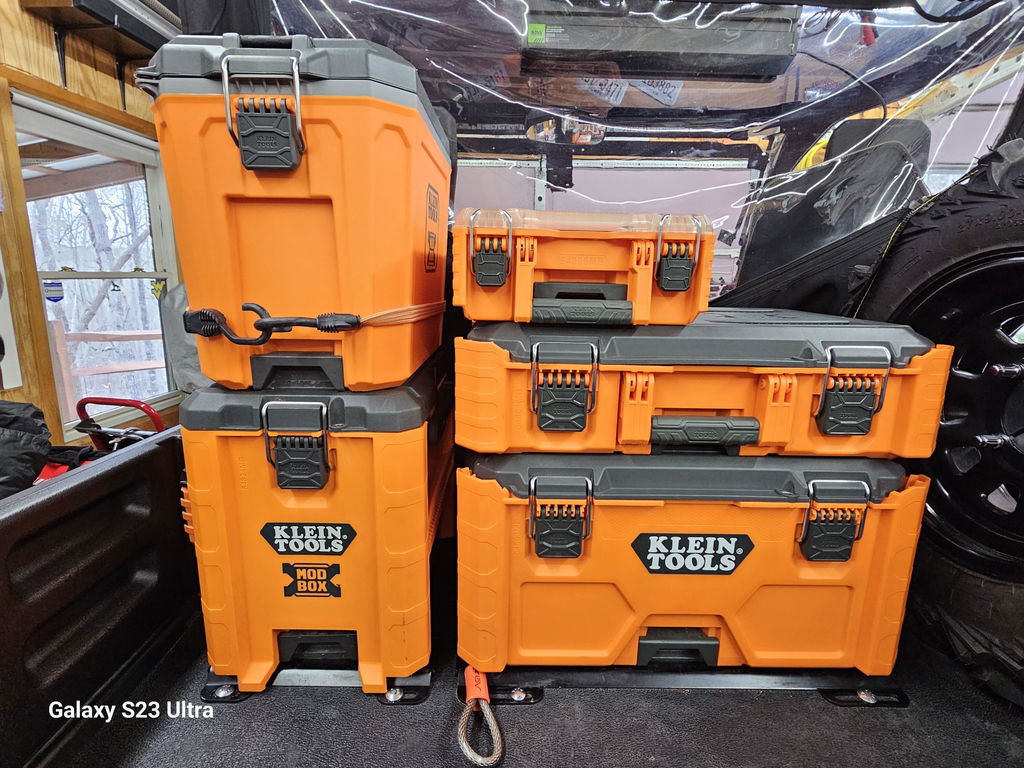
Single-bay low-profile plate: Ideal for narrow door panels, service truck compartments, or a “grab-and-go” kit by the shop exit. If you also run Klein Modbox, BocoCustom’s low profile single mounting plate shows the compact format they offer for alternate systems.
Multi-row wall panel: Best for lining a van or shop wall where you want two or three stacks side by side with consistent spacing and fast, repeatable installs.
Floor and deck plates: Built for truck beds and trailer floors; look for countersunk fastener options and reinforced zones where the boxes lock in.
Custom-dimension plate via DXF: When you need to wrap around conduit, fit a specific cabinet, or add branding cutouts, download a DXF and have it cut locally.
Whether you need off-the-shelf heavy duty mounting plates or bespoke DXF files, BocoCustom delivers low-profile solutions that keep gear tight, quiet, and accessible. Local pickup is available, and their laser cutting services can tailor plates to your exact layout.
Illustration for Best Low Profile Milwaukee Packout Mounts for Professional Tradespeople in 2024
Precision DXF Files for Custom Fabrication and DIY Mounting
For shops that prefer to cut their own metal mounting solutions, precision DXF files offer a fast path to low profile packout mounts tailored to your vehicle, cart, or wall system. A well-prepared file lets you hit print on the laser, plasma, or waterjet and produce repeatable, professional parts without hours of CAD work. This is ideal when you need secure tool organization that integrates with existing layouts, like adding Packout rails to a service body or a trailer bulkhead.
Look for custom fabrication files that are 1:1 scale, clearly layered for operations (through-cut, etch/mark, countersink), and include reference dimensions for quick verification. Files should specify hole sizes for common hardware (for example, 1/4-20 and M6 fasteners, or rivnuts/clinch nuts) and provide slot tolerances appropriate to your cutting process. When applicable, bend lines and notes help you produce low-profile brackets that tuck tools tight to a wall or drawer without interfering with Packout latches and feet. Clear notes on standoff height and latch clearance reduce trial-and-error during assembly.
Material selection matters for heavy duty mounting plates. Many fabricators choose 10–11 ga steel for tool storage wall mounts that see daily use, while 3/16 in 5052 aluminum can cut weight for cart shelves without giving up stiffness. Deburr edges, break corners, and finish with powder coat or zinc to resist corrosion in vans and jobsite trailers. Match hardware to the environment—stainless where moisture is present, and use threadlocker or lock nuts for vibration resistance.
A practical DIY workflow for DXF-based mounts:
Import the DXF into your CAM, confirm 1:1 scale, and assign lead-ins based on kerf.
Dry-run nest to minimize scrap and maintain grain direction for formed parts.
Cut on laser, plasma, or waterjet; tag parts for orientation if bends follow.
Deburr, countersink/counterbore as noted, and form bends to the specified angle.
Install rivnuts or PEM nuts where called out; verify latch/foot engagement with a Packout base.
Test-mount to studs, Unistrut, T-track, or rack rails; shim or add standoffs to preserve latch clearance.
DXF files shine when you need quick turnaround, multiples, or custom spacing that standard brackets can’t provide. Boco Custom offers instant-download DXF files validated on real setups, so you can fabricate low profile packout mounts with confidence. If you’d rather not cut in-house, their USA-made laser cutting services and local pickup make it easy to go from file to finished metal in days—and their team can modify patterns, add logos, or adapt hardware specs to your use case.
As with any metal mounting solutions, verify the structure you’re mounting to and use appropriate fasteners and backing plates for the expected load and vibration. Maintain full latch engagement and avoid protrusions that snag hoses or cords. A brief test under load before deployment on the road can prevent premature wear and keep your tool storage wall mounts secure for the long haul.
Comparison Summary of Security and Space Efficiency Features
Across 2024 options for Milwaukee Packout mounts, the biggest differences show up in how securely they hold under motion and how little space they consume. Low profile packout mounts reduce stand-off distance, improving center of gravity in vans and on carts, while also keeping aisles and lids clear. Security comes from latch geometry, stiffness, and secondary retention like lock holes or detent pins.
Material and build quality drive retention. Rigid metal plates resist flex and torsion better than polymer brackets, keeping the Packout cleats fully engaged on washboard roads or when drawers slam. Designs that include anti-lift support around the latch openings and a place to add a padlock or shear pin help prevent accidental release and deter casual theft.
Space efficiency hinges on overall height, footprint, and how closely plates can be ganged together. Low-profile metal mounting solutions can be placed edge-to-edge on shelves or drawer tops, maximizing layout density without interfering with latches. For tool storage wall mounts, flush plates minimize snag points and let you stack bins above or below without wasting vertical space.
Illustration for Best Low Profile Milwaukee Packout Mounts for Professional Tradespeople in 2024
What to look for at a glance:
Low-profile geometry that preserves full latch actuation while minimizing stand-off.
Secondary retention options (padlock/pin holes) aligned with the Packout cleats.
Heavy duty mounting plates with multi-point fastener grids, countersunk hardware, and compatibility with rivnuts, Unistrut, or 80/20 T-slot.
Laser-cut steel construction sized to the load to resist flex, bounce, and rattle in vehicles.
Slotted access for drainage and for tightening fasteners after installation.
Smooth edges and optional anti-rattle shims to protect cases and reduce noise.
Hole patterns suited to common wall-stud spacing and compact footprints for door panels and service bodies.
Boco Custom’s low profile packout mounts are USA-made, laser-cut metal mounting solutions with precise latch windows engineered for secure tool organization. Their plates use practical, low stand-off designs and versatile hole patterns for walls, carts, drawer tops, and vehicle panels. For fabricators, Boco Custom also provides instant-download custom fabrication files (DXF) so you can cut plates in-house or tailor lock points, stud spacing, and branding as needed.
Whether you operate from a truck bed, service van, or shop wall, match retention to your environment—secondary locks for high-vibration routes, ultra-slim profiles for tight aisles. With well-designed tool storage wall mounts or floor plates, you can carry more kits in the same footprint and speed up load/unload. The right low profile packout mounts convert every surface into secure, efficient storage.
Buying Guide for Selecting the Right Tool Storage Mounts
Choosing the right low profile packout mounts starts with defining your use case. Are you securing Packout boxes in a service van, on a shop wall, or inside a drawer system? Each environment demands different strengths: vibration resistance on the road, space efficiency in drawers, and fast access on walls. Map your layout, measure clearances, and plan for both current and future tool loads.
Verify compatibility with the Milwaukee Packout footprint and latch engagement before you buy. Low-profile designs should minimize added height while still allowing quick, one-handed docking and release. If mounting vertically, ensure the latch orientation holds under vibration; if horizontal, confirm there’s clearance for lids and handles. In tight spaces, a few millimeters of extra plate thickness can determine whether a drawer closes.
Prioritize materials and load ratings. Heavy duty mounting plates made from thick steel or reinforced aluminum handle dynamic loads better, especially in vehicles where bumps amplify stress. For sheet-metal van walls, pair plates with backer plates or rivnuts to spread loads and prevent tear-out. For shop stud walls, choose metal mounting solutions with hole patterns that hit studs or accept lag bolts and sleeve anchors.
Look for hardware and retention details that enhance secure tool organization. Countersunk holes keep surfaces flush and reduce snags, while anti-rattle features limit noise and wear. Locking options or padlock tabs deter theft when parked. Clean edges, deburred cuts, and precise tolerances make daily docking smoother and safer.
Consider the installation environment. In high-moisture or coastal regions, corrosion-resistant finishes and stainless hardware extend life. For tool storage wall mounts on block or concrete, plan for anchors rated to the combined weight of fully loaded Packout stacks. In vehicles, check for interference with airbags, wiring, and trim; use threadlocker and periodic torque checks.
Illustration for Best Low Profile Milwaukee Packout Mounts for Professional Tradespeople in 2024
If your rig needs nonstandard spacing, odd hole patterns, or integrated brackets, custom fabrication files can save time. Tradespeople with access to CNC plasma or laser cutters can work from DXF files to build bespoke brackets fast. Boco Custom offers instant-download DXF files, USA-made heavy duty mounting plates for major systems, and laser cutting services—ideal when you need low-profile, secure designs or a custom run. Local pickup is available for quick turnarounds.
Quick checklist:
Confirm Packout compatibility, profile height, and latch orientation.
Match material and thickness to dynamic loads; use proper anchors/backers.
Ensure corrosion resistance and deburred edges for longevity.
Verify hardware type (countersunk, threadlocker) and security features.
Use DXF-based custom solutions when standard plates won’t fit your layout.
Conclusion on Maximizing Professional Workspace Organization
For tradespeople in 2024, low profile packout mounts are the backbone of a tidy, efficient workspace—on the road and in the shop. Keeping mounts slim preserves aisle clearance in vans and drawer clearance in carts while still delivering secure tool organization. The result is faster setups, safer transport, and less wear on cases and latches.
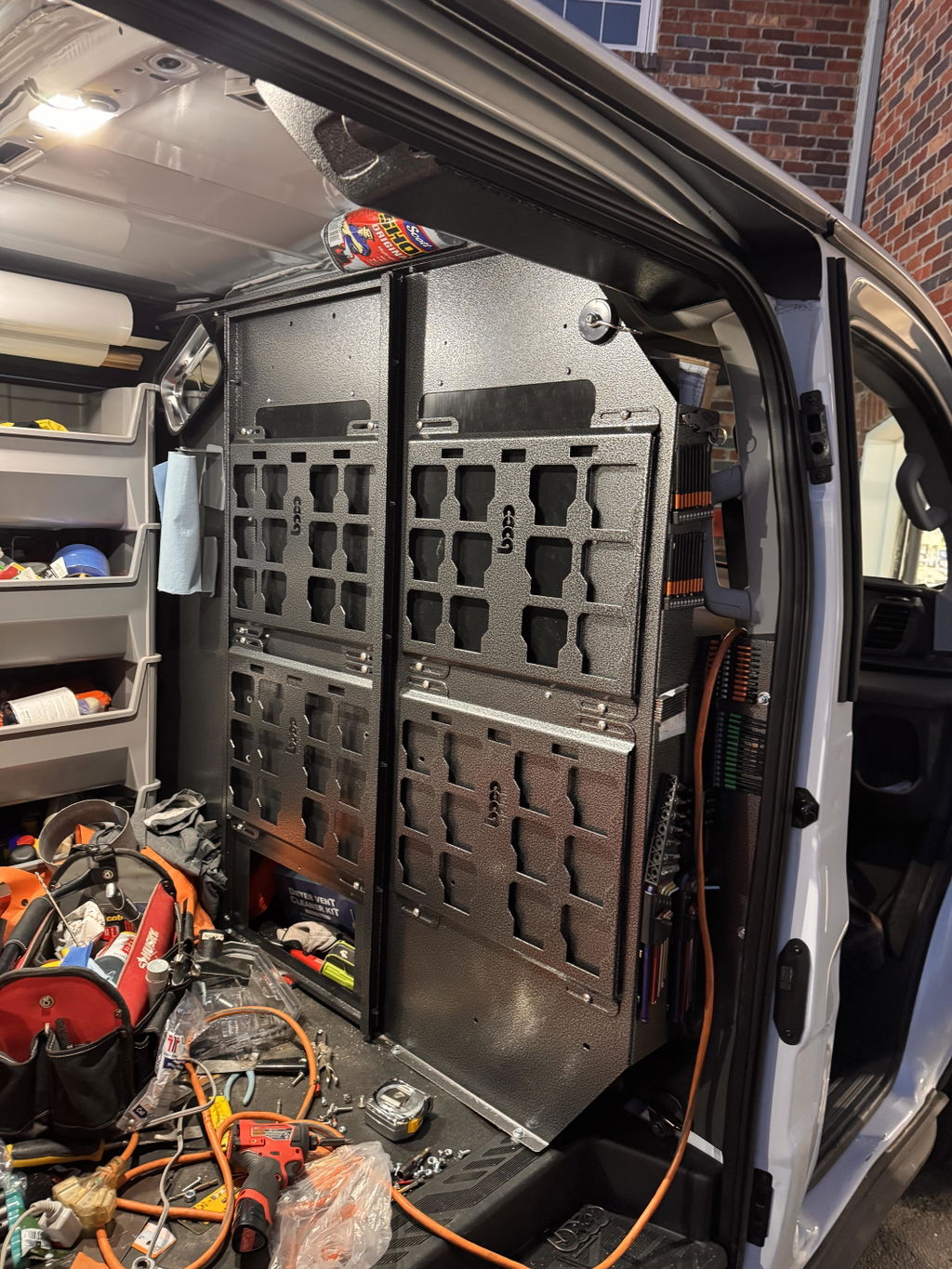
On a service van, mounting plates along the driver-side panel free the floor for materials while preventing case sway; in the shop, tool storage wall mounts line a plywood zone or steel rack to keep high-use kits at eye level. For carts and gang boxes, low-profile plates on the lid or sidewalls keep Packout stacks locked without snag points. These metal mounting solutions also scale across trailers, CNC rooms, and prefab benches, so crews can mirror layouts from vehicle to workstation.
Choose components that support your workload and environment, not just the basic footprint. A quick selection checklist helps ensure longevity and safety under daily use:
Material and thickness: opt for laser-cut steel heavy duty mounting plates with minimal flex; consider stainless in coastal or corrosive settings.
Dimensional accuracy: tight tolerances and clean edges prevent rattle and premature latch wear.
Profile and spacing: low standoff protects aisle width; confirm clearance for latches, handles, and neighboring cases.
Fastening strategy: through-bolt to studs, Unistrut, or backed plywood; use Plusnuts/Rivnuts in thin sheet metal; avoid relying on sheet screws alone.
Load path and rating: match the mount and substrate to the combined weight of stacked cases and contents.
Security options: if theft or tampering is a risk, look for lock points or plan discrete mounting inside cabinets.
Installation quality is as important as the hardware. Pre-map your layout on masking paper, mark studs or Unistrut, and dry-fit every Packout to check latch engagement before drilling. In vans, use rivnuts with proper grip length and large washers; in shops, back drywall with plywood or steel and avoid edge distances that can tear out under vibration.
Boco Custom is a practical choice when you need proven, USA-made low profile packout mounts and heavy-duty metal mounting solutions. Their lineup covers major tool systems and includes instant-download DXF custom fabrication files if you prefer to laser cut in-house or tailor plates to unique racks, trailers, or carts. They also provide custom design and laser cutting services, plus local pickup for fast turnarounds.
The path to a dialed setup is straightforward: measure your spaces, rank your most-used kits, select mounts by duty cycle, and standardize across vehicles and benches. With the right hardware and an installation plan that respects load paths, you’ll maximize uptime, protect tools, and keep crews moving. Whether you outfit with ready-made plates or cut from DXFs, the goal is the same—secure tool organization with zero wasted motion.
Standard shipping takes 5 to 7 business days. Express (2 to 3 days) and overnight options are available at checkout. Orders over $50 ship free.
Can I order online and pick up in store?
Yes. Select "Pick up in store" at checkout and choose your nearest location. Most orders are ready within 2 hours.
What if my order arrives damaged?
Contact us within 7 days of delivery with your order number and a photo. We'll arrange a replacement or refund, no return shipping required.
AI-Generated Content Disclosure
This blog post was created with the assistance of RankGPT, an AI-powered tool designed to generate high-quality, SEO-optimized content at scale.
As a small business embracing modern technology, we use AI to help us:
Produce informative articles more efficiently
Increase our online visibility through better performance in traditional search engines (like Google) as well as emerging AI-powered searches and answer engines
Reach more potential customers and grow our presence in a competitive digital landscape
By leveraging tools like RankGPT, we're able to publish valuable content more consistently and scale our efforts in ways that would otherwise take significantly more time and resources.
Important notes for readers:
While RankGPT helps create well-structured and relevant content based on current best practices, AI-generated posts are not always 100% accurate, complete, or free from errors.
The information, opinions, and perspectives expressed may not fully reflect the exact views, experiences, or official positions of Boco Custom, its team members, or the individuals involved in our business.
AI content should be viewed as a starting point or general resource—not as personalized professional advice, definitive facts, or a substitute for direct consultation with us or qualified experts.
We always recommend verifying important details independently, especially for decisions related to custom products, services, or any business matters.
We are committed to transparency and continually work to improve our content. If you have questions, feedback, or spot any inaccuracies, please reach out—we genuinely appreciate it!
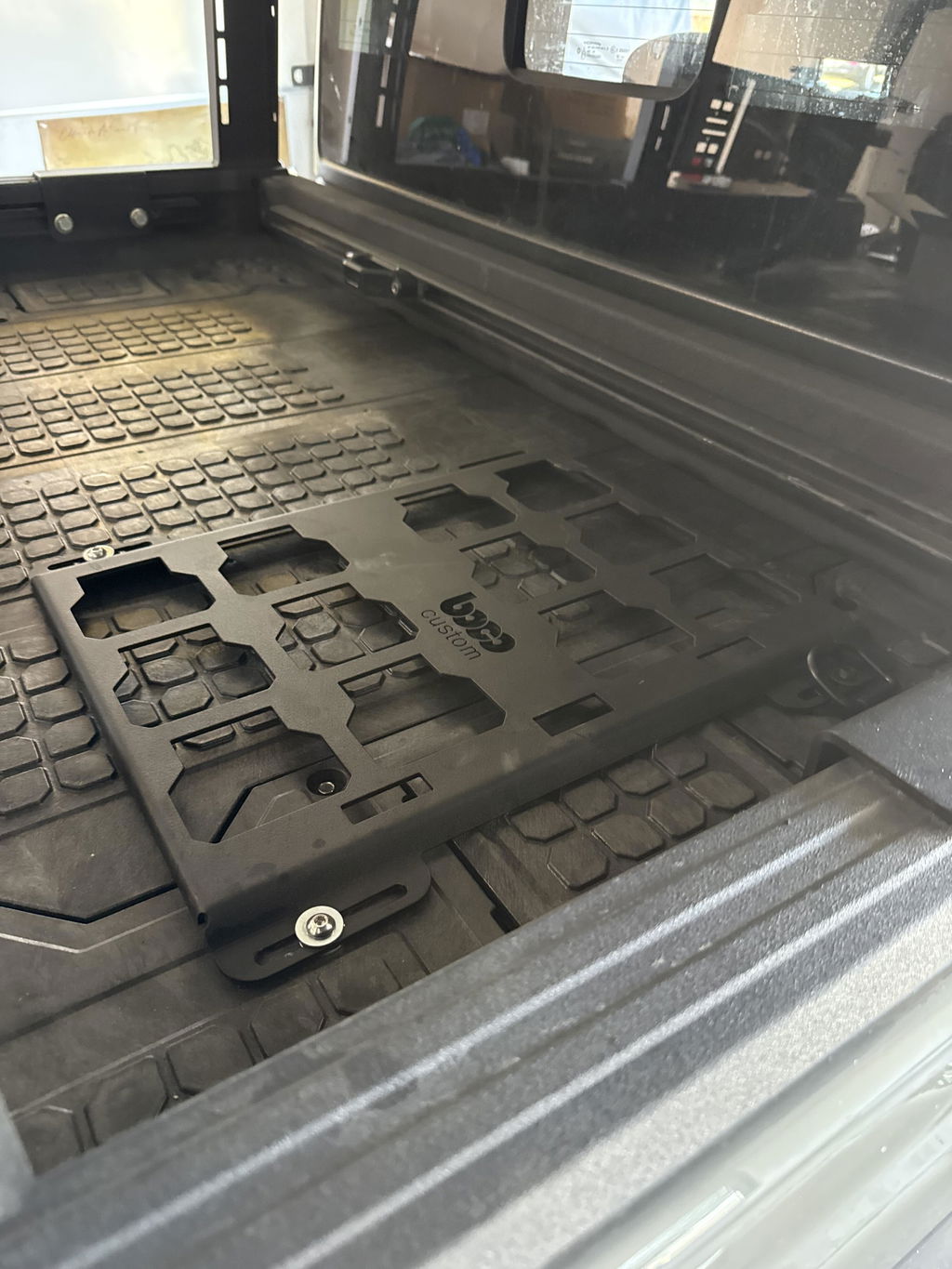
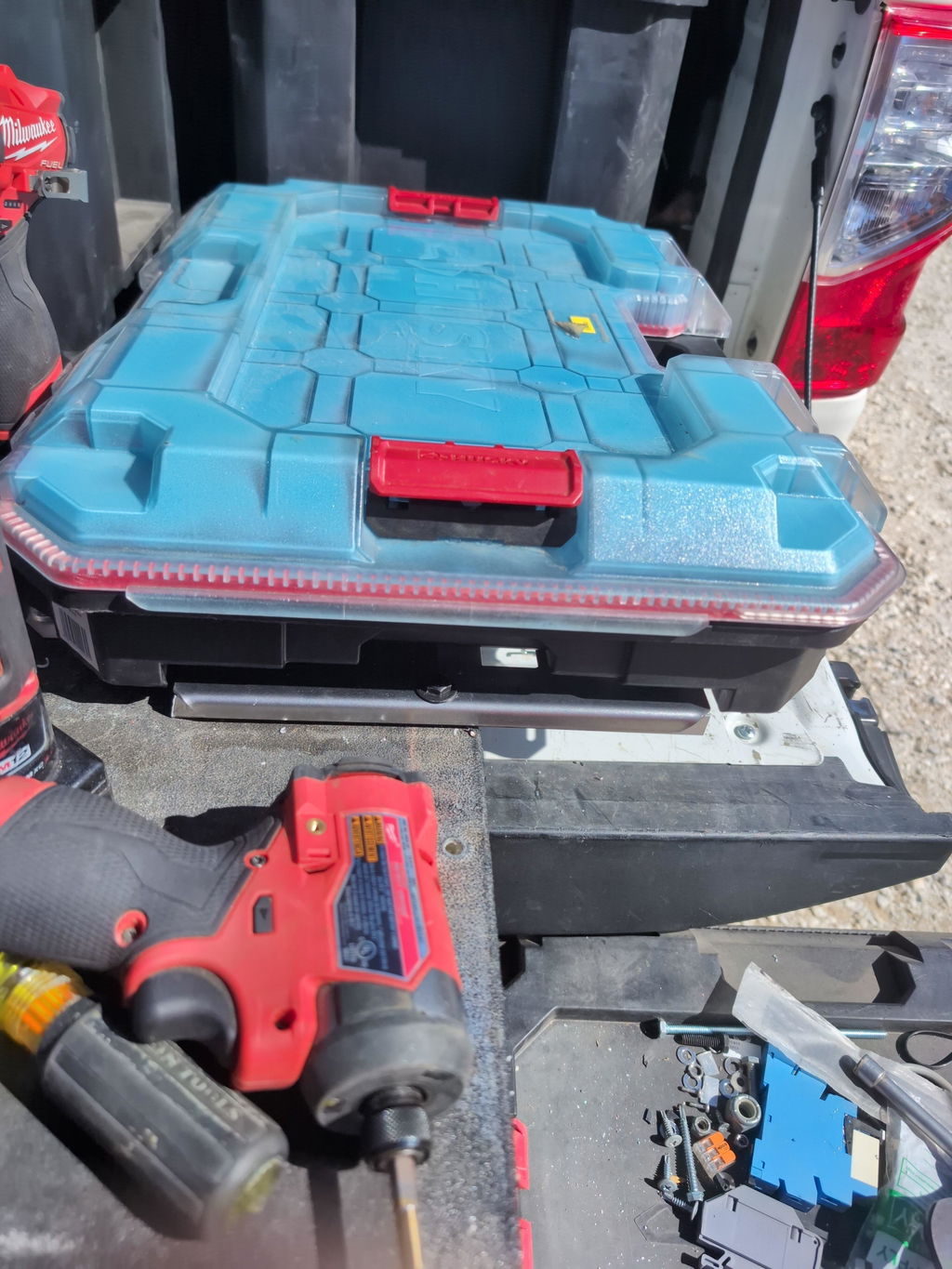
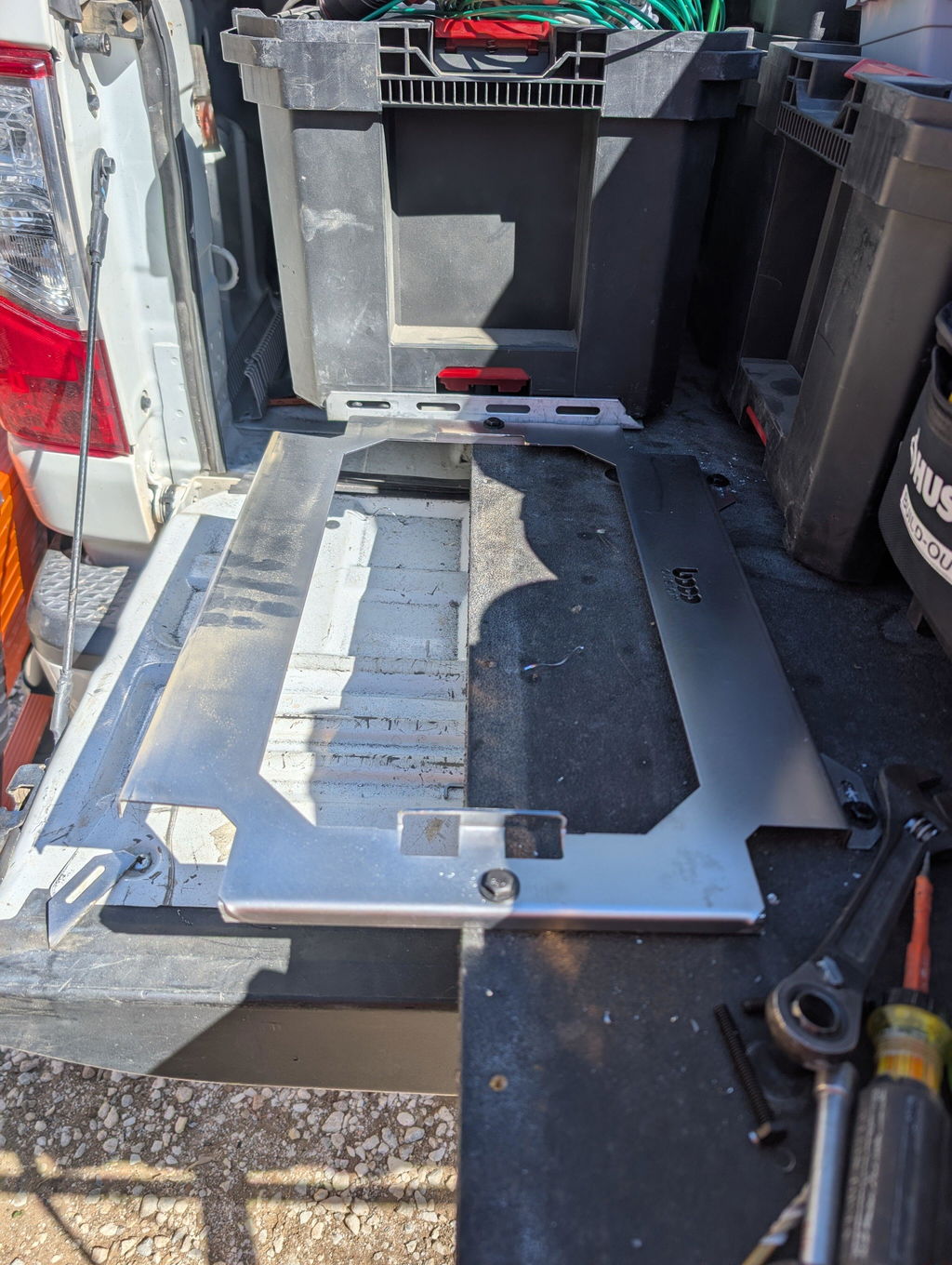
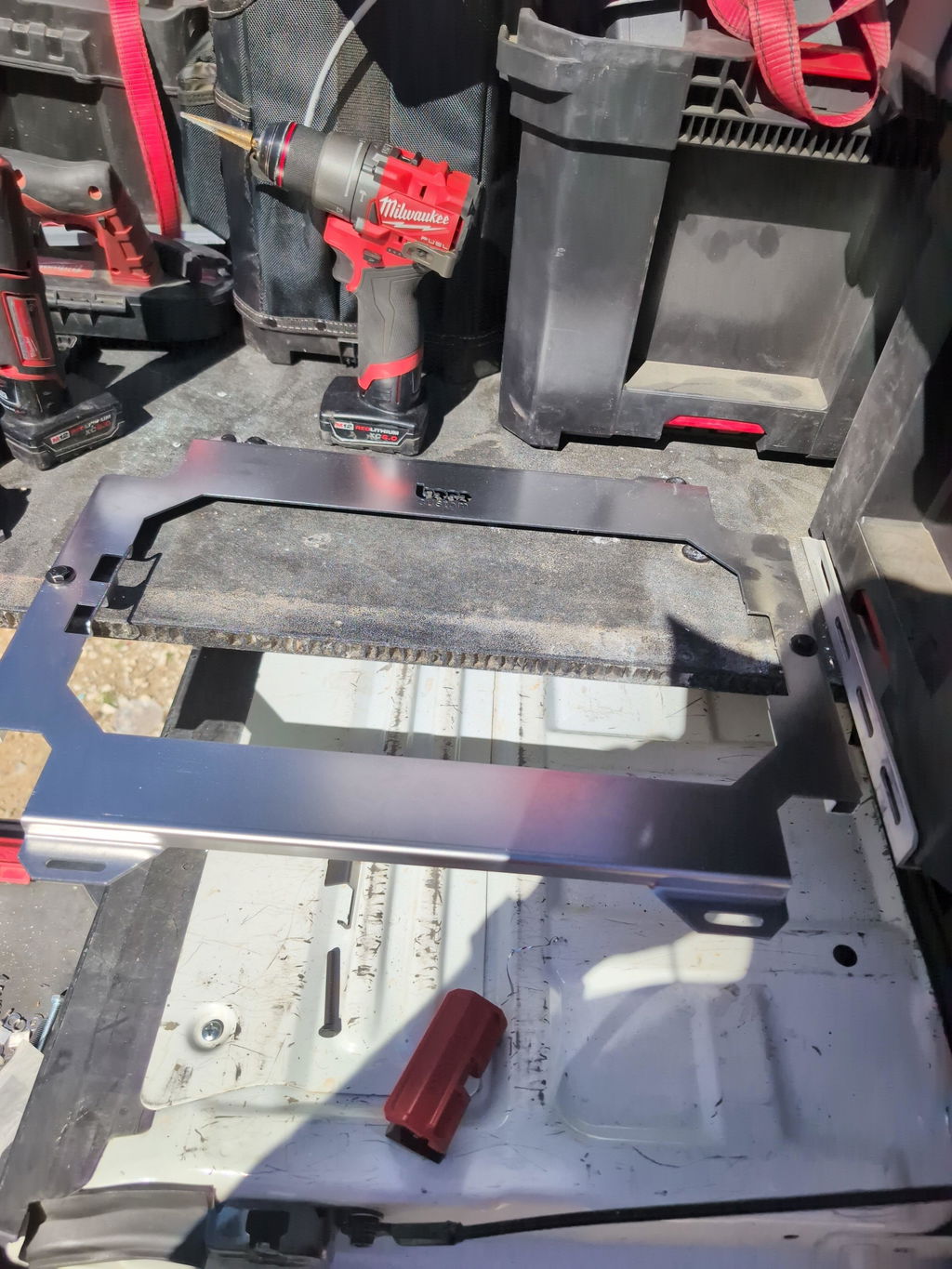
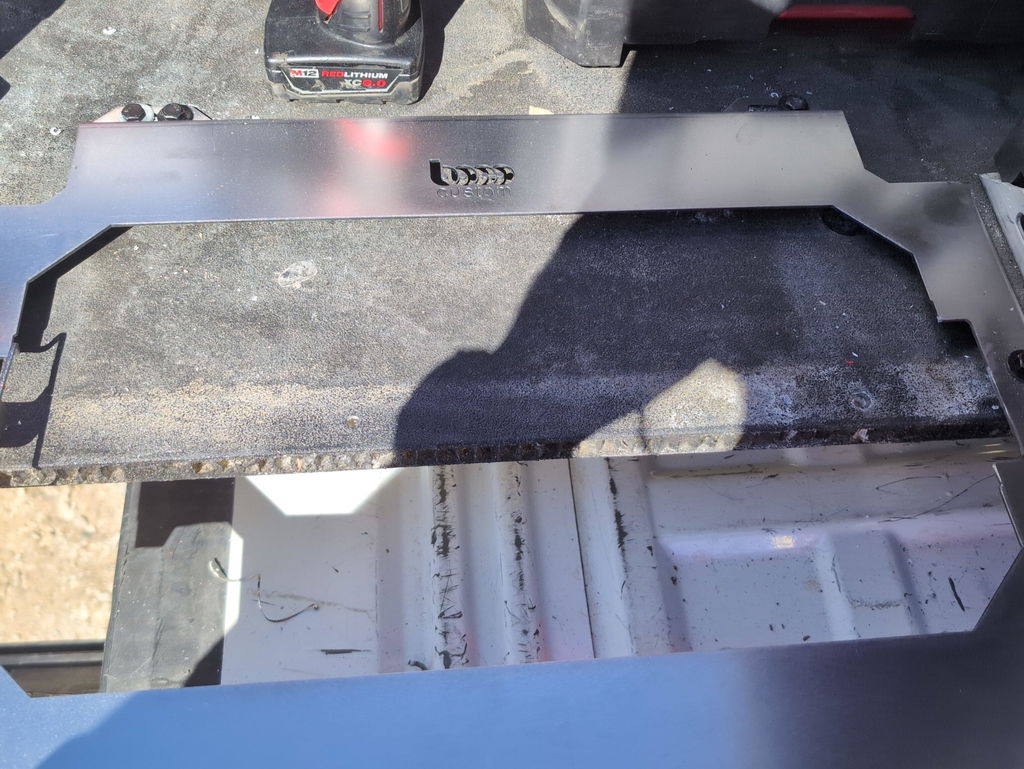
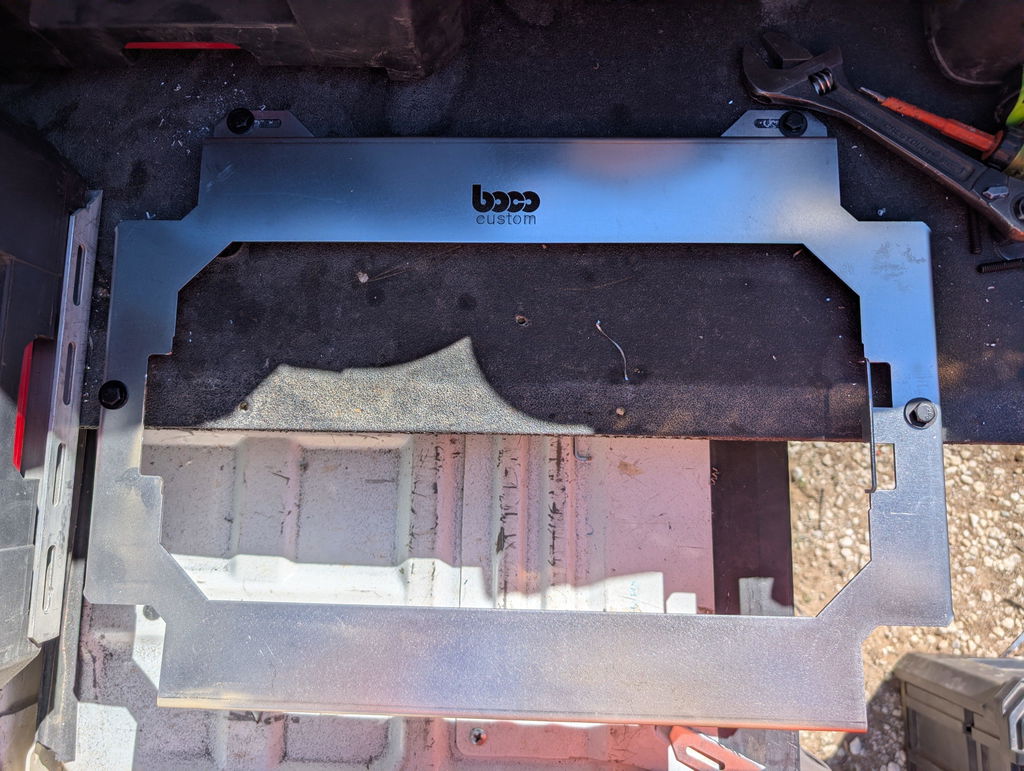
Not only is this way overbuilt for the price with its solid, confident craftsmanship, I am completely convinced that these guys are the best around when it comes to the packout platform.
I like these, they are much more compact than what Milwaukee offers. I had them powder coated in silver vain and they look awesome. I love the bonus half rack they sent me. That’s the mark of a nice company.


Leave a comment