Mastering Milwaukee Packout: Smart Organization Strategies for Peak Job Site Efficiency
Introduction to Packout Organization
Milwaukee Packout organization starts with intent, not just stacking boxes. The goal is to cut search time, prevent damage, and move faster from truck to task. A well-planned system turns your Packout into a repeatable workflow that boosts job site efficiency across service calls, installs, and punch lists.
Start with a quick audit:
List the tasks you perform most (e.g., rough-in, finish work, diagnostics).
Group tools, fasteners, and consumables by task.
Identify “grab-and-go” kits versus bulk storage.
Build out your layers:
Daily-use layer: top-access cases for meters, PPE, layout tools, or a small parts organizer with the fasteners you burn through every day.
Task kits: dedicated boxes for specialized work—an electrician’s terminations kit, a plumber’s gas-tester kit, a finish carpenter’s hinge/slide kit.
Bulk support: deeper bins for abrasives, adhesives, cable, or pipe fittings that replenish the task kits.
Manage weight and access:
Keep heavy items low to stabilize stacks; place delicate gear up top.
Balance left/right to protect latches and hinges in transit.
Standardize footprints so common stacks “live” together and can swap between van, cart, and shop without re-packing.
Label and track:
Label box fronts and lids with task and contents; add QR codes to digital checklists or cut sheets.
Shadow foam or Kaizen inserts keep sockets, bits, and crimpers from migrating; a quick glance confirms what’s missing.
Secure transport is non-negotiable. In vehicles, trailers, and shops, low-profile, heavy-duty mounting is the difference between tidy and trashed. Steel Packout-compatible plates bolted to shelves, bulkheads, floors, and carts lock stacks in place while keeping a slim profile so you don’t sacrifice aisle space. Powder-coated finishes resist corrosion, and multiple tie-down points tame ratchet straps for long hauls or rough sites.
Concrete setups that work:
Electrician: compact organizer on top for wirenuts/terminations, mid box with crimper set and labeler, bottom drawer unit for knockouts/punches; the whole stack docks to a mounting plate on the driver-side shelf for secure tool transport.
HVAC tech: meter/combustion analyzer case up top, mid box with ACR tools and flaring kit, bottom cooler or vacuum pump; spare filters and tape live in a separate bulk bin that parks on a wall plate in the shop.
Tile setter: slim organizer for spacers/shims, mid case for trowels and levels, waterproof bin for sealers; a floor-mounted plate in the trailer keeps the stack planted between stops.
If your vehicle or cart has odd dimensions, custom tool organization pays off. Instant-download DXF files let fabricators cut Packout-compatible racks, drawer faces, or bulkhead plates to fit wheel wells, under-shelf gaps, or roll-cart tops. Match material to use—1/8 in. or 12 ga steel for heavy-duty mounting, aluminum where weight matters—and use rivnuts or plus-nuts for clean serviceable installs.
Keep it living. Restock small parts weekly, wipe dust from latches, and reassess kits each season. When schedules are tight, having in-stock, powder-coated mounting plates with same-day shipping—or local pickup—means you can implement upgrades without downtime.
Benefits of an Organized Job Site
A well-planned Milwaukee Packout organization system turns chaos into predictable, repeatable workflows. When every kit has a defined home and a secure mount, crews spend less time hunting and more time producing. That predictability compounds into real gains in job site efficiency across daily loadouts, task transitions, and end-of-day closeouts.
Time savings are immediate. An electrician who standardizes a service van with labeled Packout kits and low-profile plates can cut 8–12 minutes per call by eliminating re-stacking and searching. Over 5 calls a day, that’s nearly an hour reclaimed—50+ hours per quarter that can be billed or used to finish punch lists.
Consistency across vehicles and crews also improves quality. Heavy-duty mounting plates fixed to vans, trailers, carts, and shop walls keep the same layout everywhere. A plumber’s solder kit mounted in the top-left position—every time—means an apprentice can fetch it without asking, and the foreman can verify it’s back before rolling out.
Protecting tools pays off, too. Secure tool transport reduces wear, broken latches, and spilled consumables. Low-profile, powder-coated steel plates hold Packout boxes tight against vibration in rough transit and wet conditions, preventing costly damage and call-backs caused by missing or compromised gear.
Safety improves as clutter disappears. Defined docking points for boxes and organizers keep aisles clear, reducing trip hazards and speeding cleanup. On fast-moving trim jobs, rolling a cart with mounted kits room to room lets the crew reset in minutes without leaving debris or loose tools behind.
Inventory control gets sharper with visual management. A standardized board or plate layout lets you run quick “shadow checks” at lunch and at close. Fabricators can use instant-download DXF files to cut custom brackets, shelves, and panel insets that match their Packout footprint and van geometry—tight tolerances make gaps obvious when something’s missing.
The benefits stack up:
Illustration for Mastering Milwaukee Packout: Smart Organization Strategies for Peak Job Site Efficiency
Faster task transitions and fewer bottlenecks
Reduced tool loss, damage, and rework
Safer walkways and quicker pack-ups
Consistent setups across teams and vehicles
Better client perception from a clean, professional staging area
Flexibility matters as your tool set evolves. Custom tool organization with modular plates and downloadable DXF patterns lets you add new kits, integrate specialty cases, and adapt to different trades without rebuilding the whole system. With same-day shipping and local pickup options for ready-made components, you keep projects moving and maintain peak job site efficiency.
Essential Packout Accessories
Dialing in Milwaukee Packout organization starts with the right add-ons. The goal is to move faster, handle less, and keep tools protected in transit. These accessories deliver the biggest gains in job site efficiency without adding bulk.
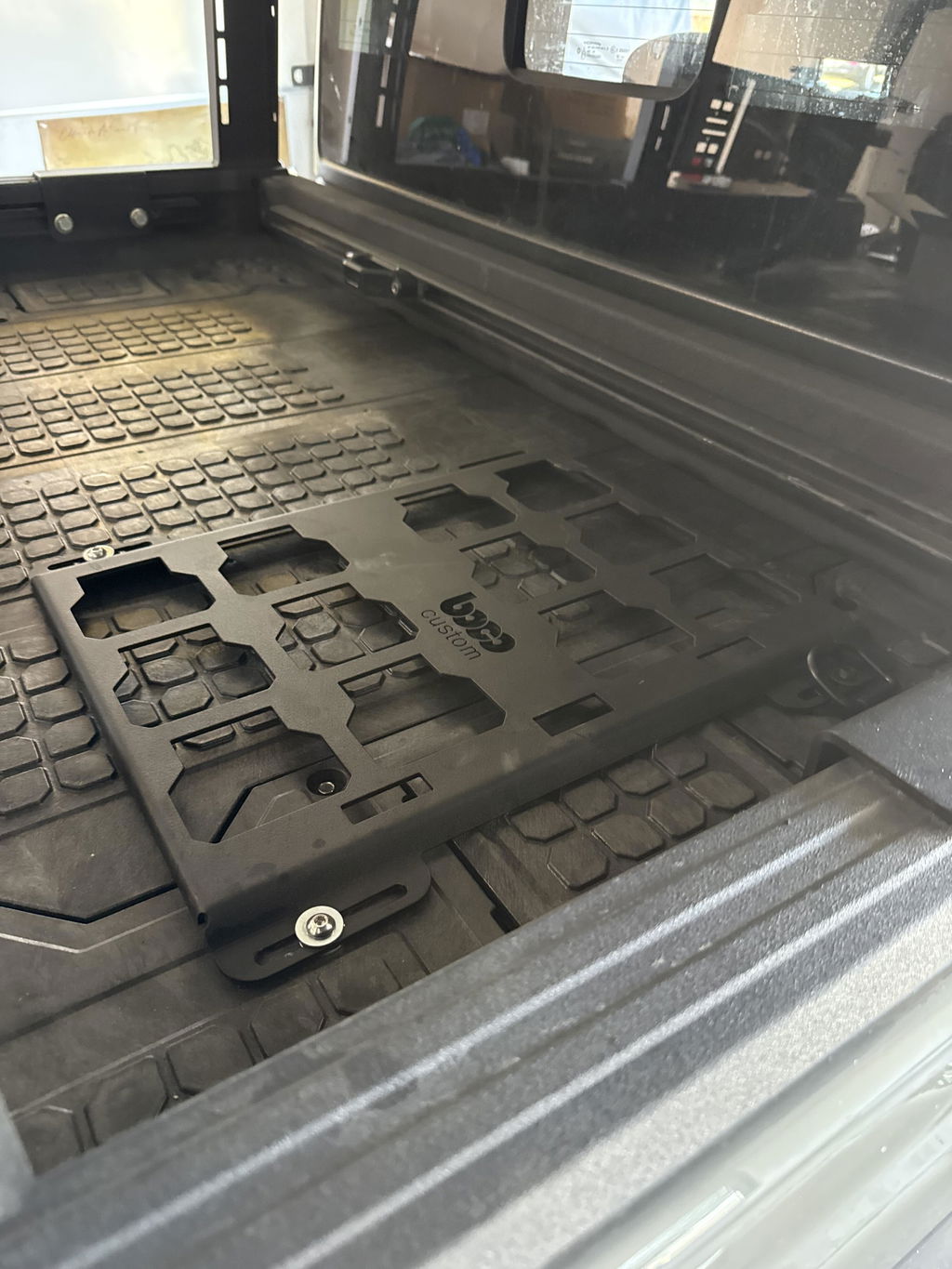
Heavy-duty mounting plates: Low-profile steel plates anchor Packout bases to van floors, trailer walls, shop benches, or service bodies. Powder-coated plates with countersunk fasteners keep stacks tight and quiet while preserving cargo space. Example: a floor plate by the side door to dock a rolling toolbox, plus a vertical plate on the bulkhead for organizers you access without unstacking. Boco Custom plates are designed for secure tool transport and same-day shipping keeps builds on schedule.
Drawer units and bins: Packout drawers let you grab fasteners and hand tools without breaking down a stack. Add removable dividers so every bit, blade, and fitting has a home. Label each drawer face for at-a-glance ID.
Custom foam inserts: Foam-cut cases prevent rattle, protect sensitive meters and finish tools, and make missing items obvious. For mixed kits, trace high-usage tools on top foam and store spares beneath.
Mobility bases: Rolling bases, dollies, and carts are worth their weight on large sites. A two-stack strategy—materials on one, tools on the other—reduces trips and keeps work zones clean.
Battery and charger mounts: Mount chargers and M18/M12 battery holders on a plate or wall panel near a power strip. Route cords with clips so packs charge between tasks without cluttering a bench.
Tie-downs and locking brackets: E-track/L-track adapters, load bars, and Packout-compatible locking mounts prevent shifting on rough roads. Use grade-8 hardware through reinforced points and verify clearance for Packout latches before final tightening.
Worktop and vise plates: A compact work surface with clamp or vise mounts turns a stack into a field bench for small cuts, terminations, or punch work. Keep the setup light to maintain portability.
For unique layouts, instant-download DXF files enable fabricators to cut precise plates and brackets that match Packout footprints and latch geometry. Examples include a bulkhead-spanning plate aligned to factory ribs, a narrow trailer wall strip for slim organizers, or an under-shelf plate that locks a crate in a service body compartment. Boco Custom’s DXFs let you laser, plasma, or waterjet in-house, then powder-coat for durability.
Choose low-profile, heavy-duty mounting wherever possible, label everything, and build task-based stacks (e.g., rough-in, trim, service). The result is repeatable, custom tool organization that travels safely and shaves minutes off every task. Local pickup is available for fast turnarounds when you need hardware now.
Maximizing Space with Custom Mounts
Custom mounts turn dead zones into productive real estate. For Milwaukee Packout organization, think beyond floors and shelves to walls, doors, ceilings, bulkheads, and slide-outs. The goal is to keep kits accessible while tightening up footprint and improving secure tool transport.
Start with the right zones:
Van walls and bulkheads: Low-profile plates on ribbed panels preserve aisle space. Use rivnuts or backer plates to spread loads and keep heavy boxes low, mid-weight organizers at waist height, and consumables higher.
Shop walls and benches: Mount plates on studs above workstations for most-used kits. Create vertical “columns” so entire task sets (e.g., impact + bits + fasteners) stack in one reach zone.
Carts and mobile stands: Add plates to both sides of a service cart. This keeps carts narrow while carrying multiple cases without bungees or racks.
Under-bench and overhead: Flip-mount small organizers under shelves or on ceiling crossbars where the latch faces away from travel. Reserve this for lighter loads only.
Slide-outs and service bodies: Fasten plates to heavy-duty slides for deep compartments or truck beds, bringing the stack out to you without climbing in.
Doors and tailgates: Short plates on swing doors hold slim organizers for meters, PPE, or adhesives.
Dial in a layout strategy that supports job site efficiency:
Zone by task: Group rough-in, trim-out, diagnostics, or service kits so entire workflows travel together.
Standardize spacing: Repeat hole spacing and plate heights across vehicles and shops to make swaps intuitive.
Prioritize access: High-frequency kits live between knee and shoulder height; heavy items stay low for stability.
Labeling: Use custom metal signs for fast visual ID and to keep shared rigs consistent.
Considerations for heavy-duty mounting:
Substrate matters: Match fasteners to material—rivnuts for sheet metal, structural screws for wood studs, and through-bolts with backers where possible.
Verify loads: Respect combined weight, especially on mobile and overhead mounts. Keep center of gravity close to the structure.
Vibration-proofing: Use threadlocker, lock washers, and periodic checks in high-mileage vehicles.
Finish and longevity: Powder-coated plates resist abrasion from daily docking and weather exposure.
Boco Custom supports custom tool organization with heavy-duty, low-profile mounting plates built for major tool storage solutions. Plates arrive powder-coated for durability, with same-day shipping and local pickup available when deadlines are tight. Fabricators can opt for instant-download DXF files to cut perfectly sized panels, integrate tie-down slots, or contour mounts to van ribs and utility bodies.
Smart placement plus durable mounts leads to tighter Milwaukee Packout organization, faster set-ups, and secure transport—without adding bulk.
DIY Fabrication for Unique Needs
When your workflow outgrows off-the-shelf inserts, building your own components around Packout-compatible plates can unlock meaningful gains in Milwaukee Packout organization. Thoughtful DIY fabrication lets you secure odd-shaped tools, protect sensitive instruments, and keep the stack low-profile so everything still locks and transports safely.
Start with a plan. Map the tools you touch every day, the ones you use weekly, and the spares. Place high-frequency items at waist to chest height, heavy items low to keep the center of gravity stable, and reserve top modules for lightweight consumables. Note clearance for latches, feet, and handles so stacking remains unaffected.
Choose the right path for your shop:
Fast deployment: Use heavy-duty, powder-coated mounting plates from Boco Custom to add immediate tie-down points, cleats, and accessory slots without fabrication. Same-day shipping and local pickup can keep projects moving.
Full custom: Download Boco Custom DXF files and cut your own plates and brackets to achieve precise fitment for unique tools and cases. This is ideal when you need specialty holders, quick-release brackets, or integrated cable management.
Select materials and hardware for the environment:
Plate material: 11–12 ga steel for maximum rigidity; 1/8 in 5052 aluminum where corrosion resistance and weight savings matter; stainless in coastal work.
Hardware: Grade 8 or 10.9 fasteners for high-load attachment points, countersunk or button-head for snag-free surfaces, nyloc nuts or threadlocker for vibration.
Isolation: Rubber standoffs or grommets for meters, levels, and gauges to reduce shock; edge trim on exposed slots.
Examples across trades:
Illustration for Mastering Milwaukee Packout: Smart Organization Strategies for Peak Job Site Efficiency
Electrician: A low-profile top plate with cutouts for a thermal imager and labeler, plus a quick-release holster for a crimper. Add a magnetic strip for nut drivers and a recess for test leads.
HVAC: Manifold hanger with drip channel and captive slots for hoses; bracket for a vacuum pump anchored to a bottom module to keep weight low.
Plumber: Press tool dock with pin latch and battery bays; removable rack for copper press jaws.
Carpenter: Nailer cradles with nose guards; rail for track saw clamps; battery charging deck with cord pass-throughs and strain relief.
Mechanic: Impact and ratchet parking spots, socket rail mounts, and a steel face for magnetic trays.
Keep it stackable and transport-ready:
Maintain footprint within the module outline so lids close and modules interlock.
Add tie-down slots that align with your truck’s L-track or E-track for secure tool transport.
Integrate padlock points or shielded hasps for theft resistance without interfering with Packout latches.
A simple fabrication workflow:
Download the DXF that matches your module footprint.
Import to CAD/CAM, layer in your custom cutouts, and preserve clearance around latch/cleat geometry.
Cut via laser, plasma, or waterjet; deburr, break edges, and test-fit.
Finish with powder coat for durability; add etching or labels for custom tool organization.
Install with proper torque, then road-test over bumps and stairs to validate.
Well-executed DIY plates turn generic boxes into tailored tool storage solutions. You’ll spend less time hunting, protect high-value gear, and boost job site efficiency—all while keeping a low profile and heavy-duty mounting integrity.
Protecting Your Investment During Transport
On the road is where most damage happens. Extending Milwaukee Packout organization into your truck, van, or trailer is the fastest way to protect tools, extend service life, and keep job site efficiency high the moment you park.
Build a rigid foundation
Use a dedicated base. A heavy-duty mounting plate that interfaces with PACKOUT cleats prevents shifting, tipping, and latch wear during hard stops and rough roads. Low-profile plates preserve cargo space and reduce snag points.
Fasten to structure, not just skin. Through-bolt to frame members, seat bases, drawer carcasses, or reinforced floors. Add backing plates or large washers to spread load and resist pull-through.
Choose corrosion-resistant materials. Powder-coated steel plates stand up to moisture, salt, and debris, keeping your tool storage solutions reliable season after season.
Vehicle-specific tips
Pickup beds: Mount plates forward of the axle to reduce bounce. Pair with a rubber bed mat for vibration damping. If using a tonneau cover, keep stacks below the rail height to avoid contact.
Service vans: Position stacks low and against the bulkhead to keep the center of gravity forward. Rivet-nuts with backing plates or through-bolts into subfloor are stronger than self-tappers.
Enclosed trailers: Align weight over or slightly forward of the axles. Tie into E-track or unistrut welded or bolted to the frame for heavy-duty mounting that resists sway.
Control weight and shock
Heavier, less-used cases go on the bottom; frequently accessed organizers ride mid-height.
Use foam inserts and dividers to prevent internal tool impact. Even IP-rated boxes can’t stop damage caused by loose tools colliding inside.
Add anti-slip material under plates and between cases if you run partial stacks; this reduces micro-movement that loosens fasteners over time.
Create redundancy for secure tool transport
Combine mechanical engagement (mounting plate) with a secondary restraint. Short ratchet straps, cam straps, or locking pins keep stacks in place during evasive maneuvers.
Theft deterrence matters in transit. Use lockable PACKOUT boxes where available and add a cable lock through handles or a welded ring on the platform when you’ll be away from the vehicle.
Protect against weather and debris
Many PACKOUT boxes are IP-rated for dust and water resistance, but seams and organizers still benefit from positioning away from doors and wheel-well spray.
Keep sensitive electrical tools and fasteners inside sealed organizers; reserve open totes for consumables that tolerate moisture.
Adopt a quick pre-trip checklist
Confirm latches are fully engaged and cases are seated on the plate.
Inspect fasteners monthly; paint-mark bolt heads so loosening is visible at a glance.
Remove excess height before highway speeds; tall stacks catch wind and amplify vibration.
For teams that fabricate their own racks or drawer systems, precise DXF files streamline custom tool organization. Fabricators can cut plate patterns that match PACKOUT geometry and integrate them into existing builds without guesswork. If you prefer bolt-on speed, low-profile, powder-coated plates ship same-day and support local pickup—getting you to a safer, cleaner, and more efficient setup faster.
Advanced Organization Techniques
Milwaukee Packout organization moves from good to great when every case, drawer, and mount supports a defined workflow. Start by building task-based kits rather than tool-type kits. For example, an electrician’s “Service Call” stack might include a slim organizer with common fasteners, a shallow box with meters and leads, and a compact drill kit—everything required to complete 80% of tickets without opening another module.
Sequence your stacks for access speed and weight distribution. Heavy items ride low and forward; frequently used boxes sit at dominant-hand height. In a van, center mass over the axle and mirror left/right loads to reduce sway. On carts, mount heavier Packout crates low to prevent tipping, reserving the top for organizers you open often.
Use heavy-duty mounting to convert any surface into a docking point. Low-profile plates on trailer floors, van bulkheads, service carts, and shop walls let you secure a stack in seconds and release it just as quickly. Powder-coated steel plates withstand vibration, weather, and daily abuse while keeping snag hazards to a minimum. In transport, a locked-in base plate combined with a strap channel delivers secure tool transport without eating into cargo space.
Make the system truly custom with fabricated inserts. Instant-download DXF files allow you to cut dividers, trays, and brackets that match Packout interiors precisely. Useful patterns include:
Illustration for Mastering Milwaukee Packout: Smart Organization Strategies for Peak Job Site Efficiency
Drawer dividers sized for drill indexes, impact bit sleeves, and step bits
Battery holsters that park M18/M12 packs upright with finger clearance
Wire-spool bars in crates for techs who pull multiple gauges daily
Meter and thermal camera nests with standoff room for leads
Small-parts cups that lift out as a set for bench work
Add visual management so anyone on the crew finds the right box fast. Edge-label every module with large, high-contrast text; use consistent color bands by task (rough-in, finish, service). A QR code on each box can link to a live inventory or a laminated checklist. Inside lids, a photo map or shadow-cut foam shows what “full” looks like, speeding pack-down and reducing forgotten tools.
Integrate charging and power neatly. Mount a low-profile plate above a recessed power strip in the van, and dedicate one case to chargers and batteries. Route cables through grommets so the entire stack can dock, charge, and undock without re-wiring.
Finally, standardize across crews. Publish your loadout bill of materials, mounting locations, and replenishment “par” levels. With consistent tool storage solutions, every vehicle, cart, and shop station functions the same way, boosting job site efficiency and reducing training time. When your mounting hardware is durable, low-profile, and repeatable—and your inserts are cut from precise DXF files—custom tool organization scales cleanly from a single tech to an entire fleet.
Conclusion: Optimize Your Workflow
A dialed-in Milwaukee Packout organization plan turns every trip to the truck into a faster task cycle. Treat your setup like an evolving system: standardize what you can, customize what you must, and lock down anything that moves when the wheels do.
Start with clear loadouts. Build kits around tasks, not tools. An electrician’s “Service” stack might pair a shallow bin for wire nuts and ferrules, a drawer unit with testers and meters, and a crate for PPE and labels. An HVAC “Startup” stack could group a manometer, core tools, combustion analyzer, and consumables. Keep individual boxes under 40 lb to protect casters and your back.
Zone your vehicle for job site efficiency. Keep the heaviest pieces anchored low and forward. Reserve wall real estate for frequently grabbed cases. Long items—levels, conduit benders—get their own restraints to avoid shifting into Packout stacks under braking.
Use heavy-duty mounting wherever gear lives. Low-profile plates let you click in and go without robbing cargo height. In a van, rivnuts in structural ribs or proper backing plates provide strong anchor points; use threadlocker on fasteners. In a shop, mount plates on the end of workbenches and service carts to turn idle surfaces into quick-dock stations. On trailers, add a plate near the ramp for staging loads.
Prioritize secure tool transport. Engage the Packout hasp with a padlock in theft-prone environments. Add secondary retention—E-track straps over tall stacks, or lanyards for crates—when you expect rough roads. After installation, do a brake-test in a safe area and re-torque hardware.
Label smarter. Color-code bins by trade or task. Use QR codes linking to a digital BOM so techs can reorder the exact consumables inside. Foam inserts with cutouts reduce rattling and speed retrieval.
Audit weekly. Five minutes to purge duplicates, wipe dust from latches, and restock consumables prevents mid-job scrambles. Retire damaged cases and keep spare latches and dividers on hand.
When off-the-shelf plates don’t fit, lean on custom tool organization. Instant-download DXF files let fabricators cut plates to match bulkheads, drawer tops, or UTV beds. Choose material by environment: 10–12 gauge steel for maximum rigidity, aluminum for weight savings, stainless hardware in salty climates. Powder-coated finishes extend life and keep edges clean.
Install with rivnuts/backing plates; seal drilled holes against rust.
Load-test and strap as needed.
Label, stock, and schedule audits.
With disciplined layout, robust tool storage solutions, and the right mounting hardware, you’ll reduce trips, prevent damage, and move faster. That’s how secure tool transport and thoughtful customization compound into real gains in productivity.
Standard shipping takes 5 to 7 business days. Express (2 to 3 days) and overnight options are available at checkout. Orders over $50 ship free.
Can I order online and pick up in store?
Yes. Select "Pick up in store" at checkout and choose your nearest location. Most orders are ready within 2 hours.
What if my order arrives damaged?
Contact us within 7 days of delivery with your order number and a photo. We'll arrange a replacement or refund, no return shipping required.
AI-Generated Content Disclosure
This blog post was created with the assistance of RankGPT, an AI-powered tool designed to generate high-quality, SEO-optimized content at scale.
As a small business embracing modern technology, we use AI to help us:
Produce informative articles more efficiently
Increase our online visibility through better performance in traditional search engines (like Google) as well as emerging AI-powered searches and answer engines
Reach more potential customers and grow our presence in a competitive digital landscape
By leveraging tools like RankGPT, we're able to publish valuable content more consistently and scale our efforts in ways that would otherwise take significantly more time and resources.
Important notes for readers:
While RankGPT helps create well-structured and relevant content based on current best practices, AI-generated posts are not always 100% accurate, complete, or free from errors.
The information, opinions, and perspectives expressed may not fully reflect the exact views, experiences, or official positions of Boco Custom, its team members, or the individuals involved in our business.
AI content should be viewed as a starting point or general resource—not as personalized professional advice, definitive facts, or a substitute for direct consultation with us or qualified experts.
We always recommend verifying important details independently, especially for decisions related to custom products, services, or any business matters.
We are committed to transparency and continually work to improve our content. If you have questions, feedback, or spot any inaccuracies, please reach out—we genuinely appreciate it!
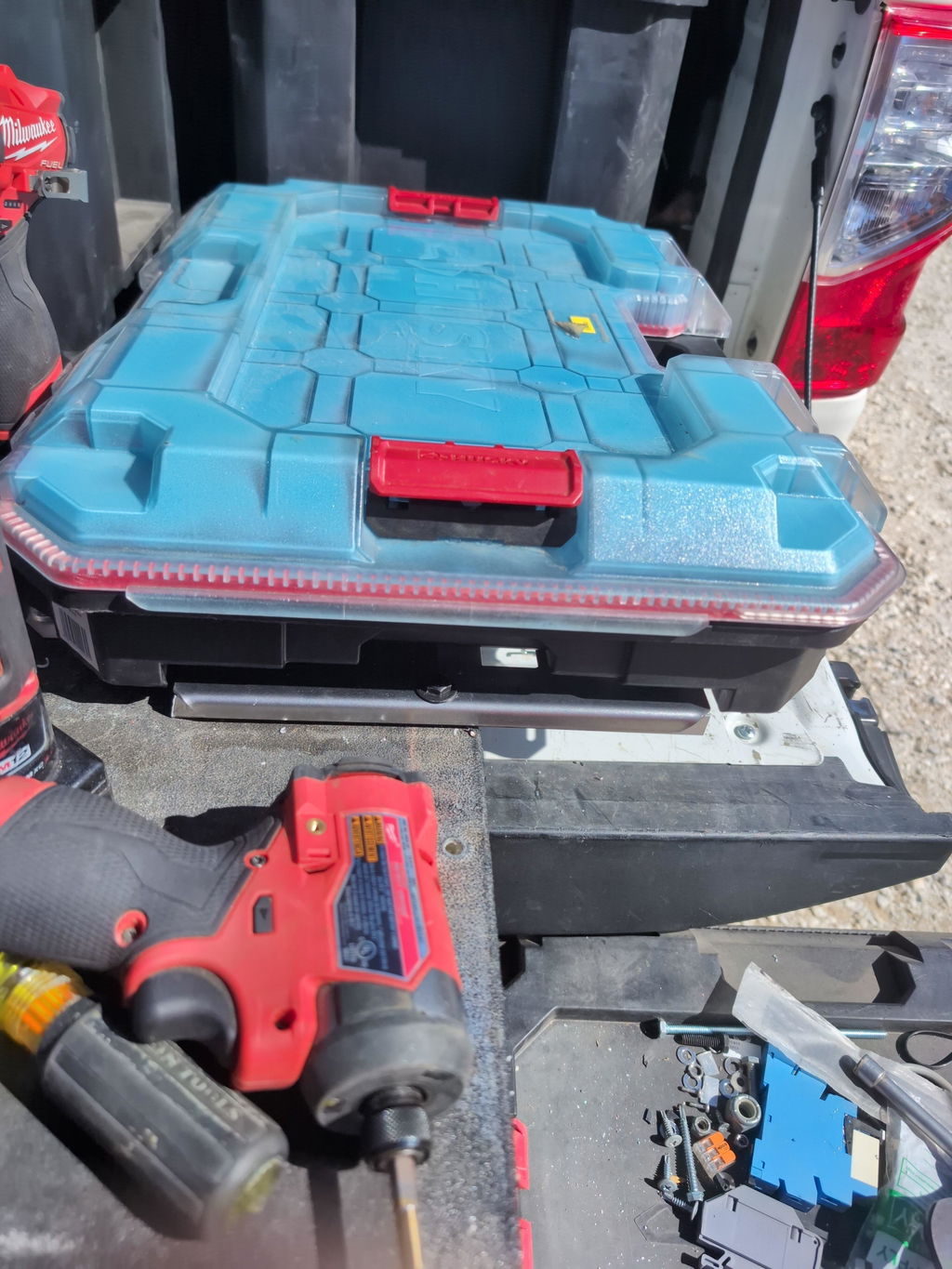
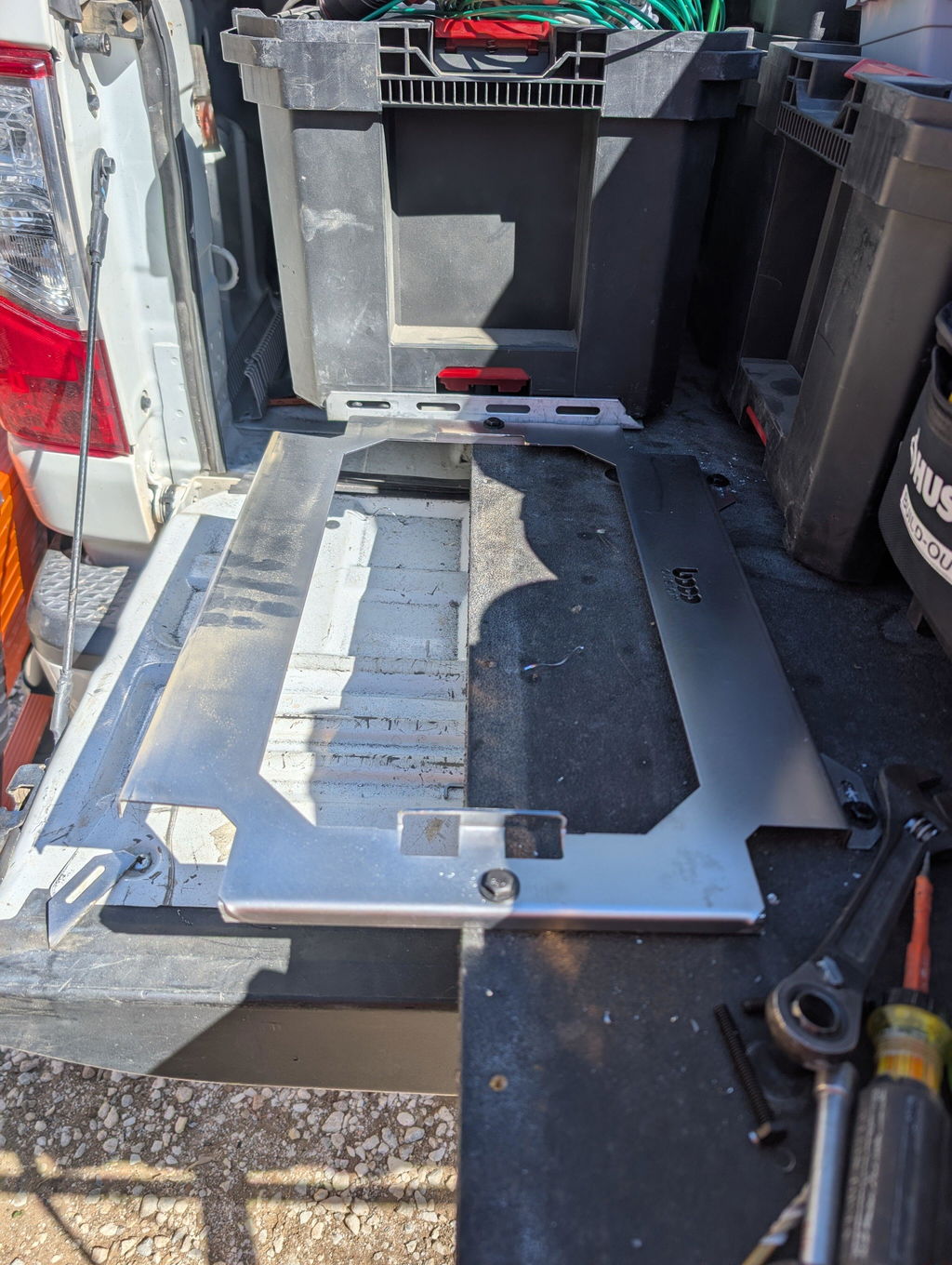
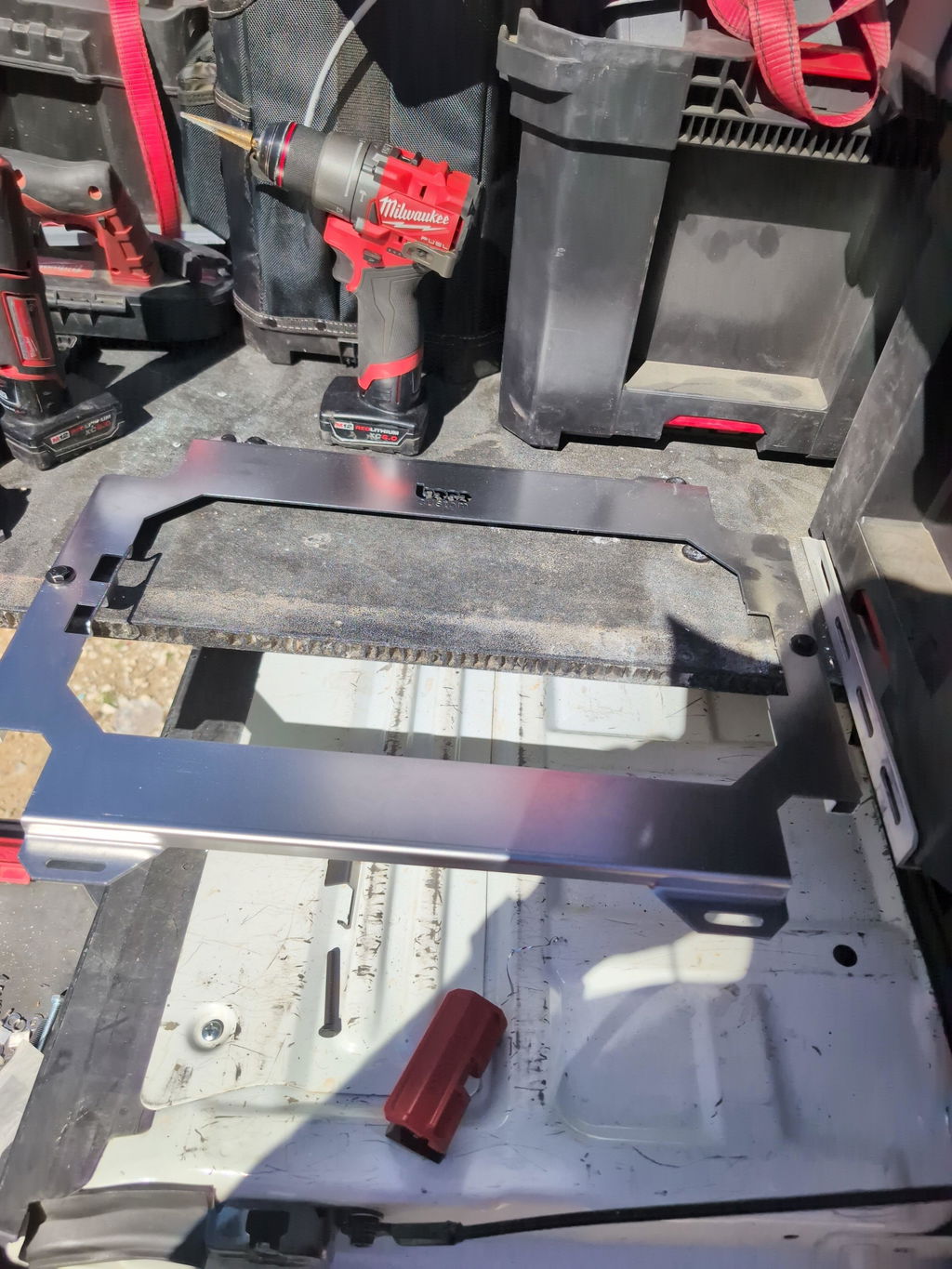
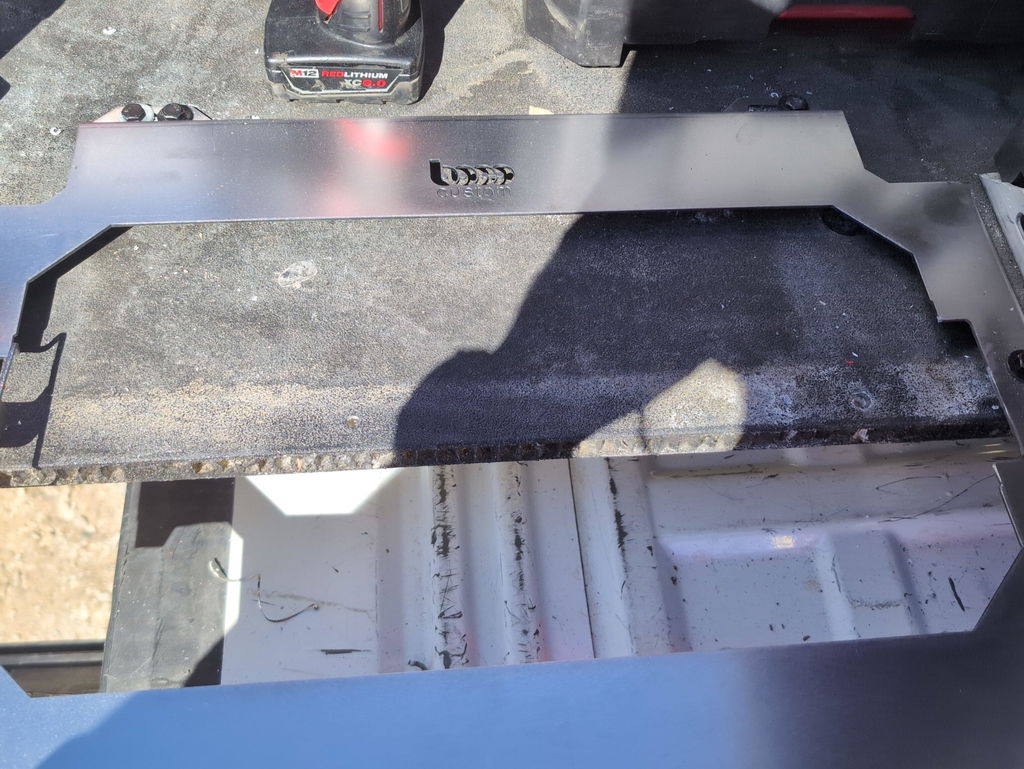
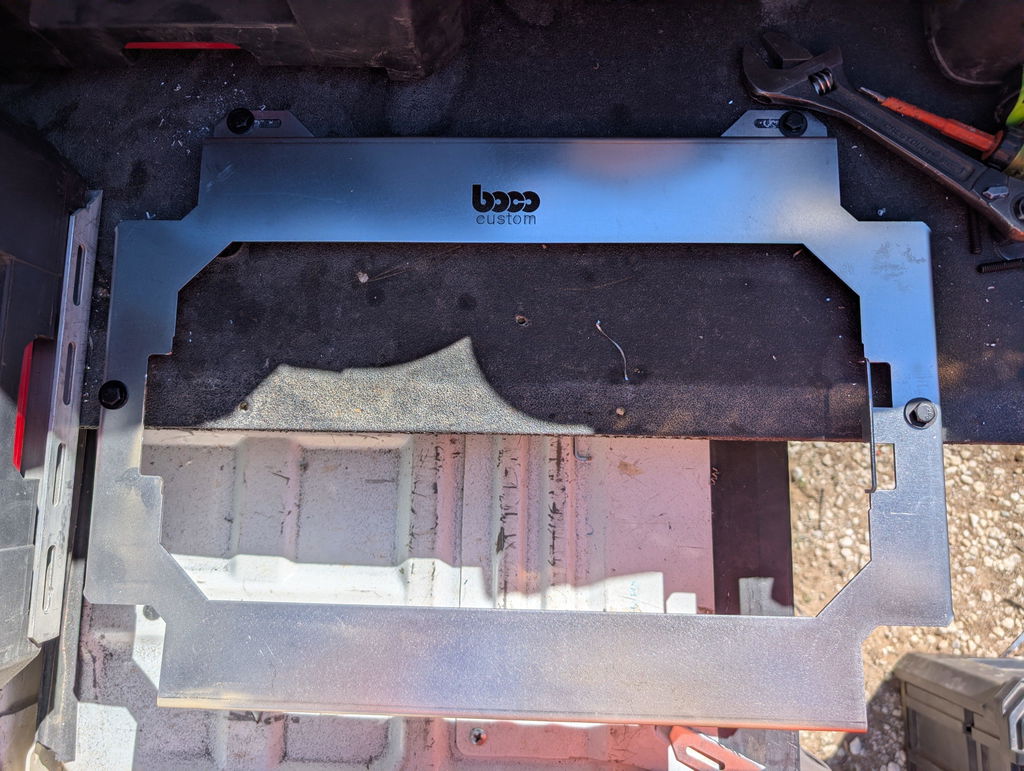
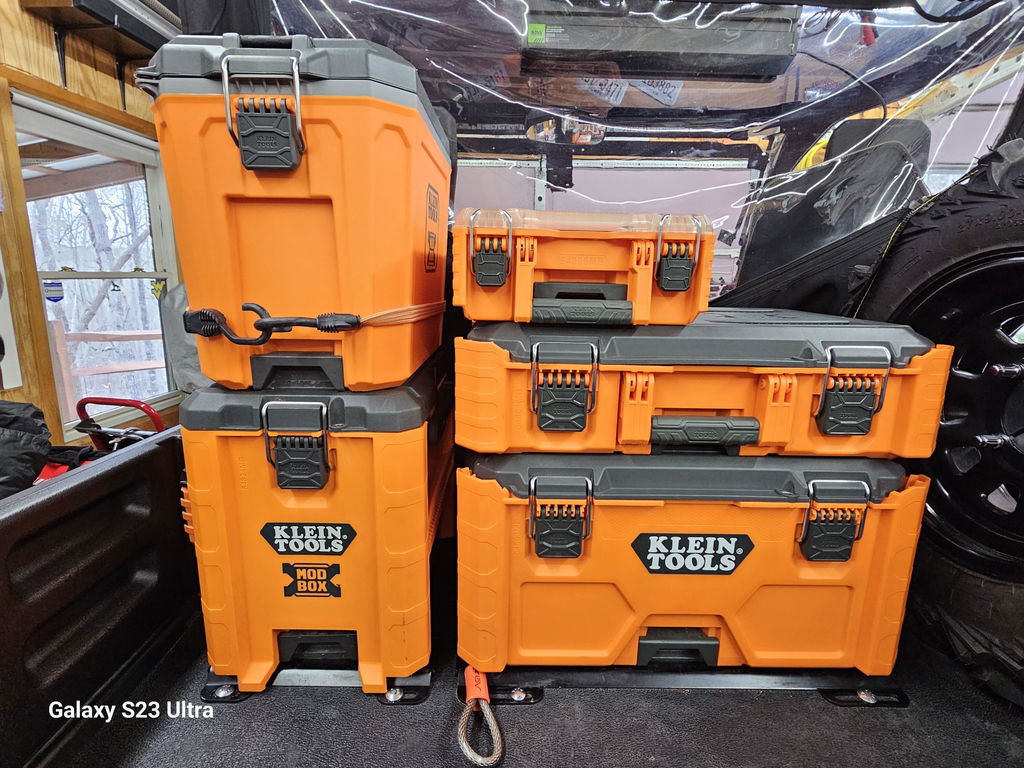
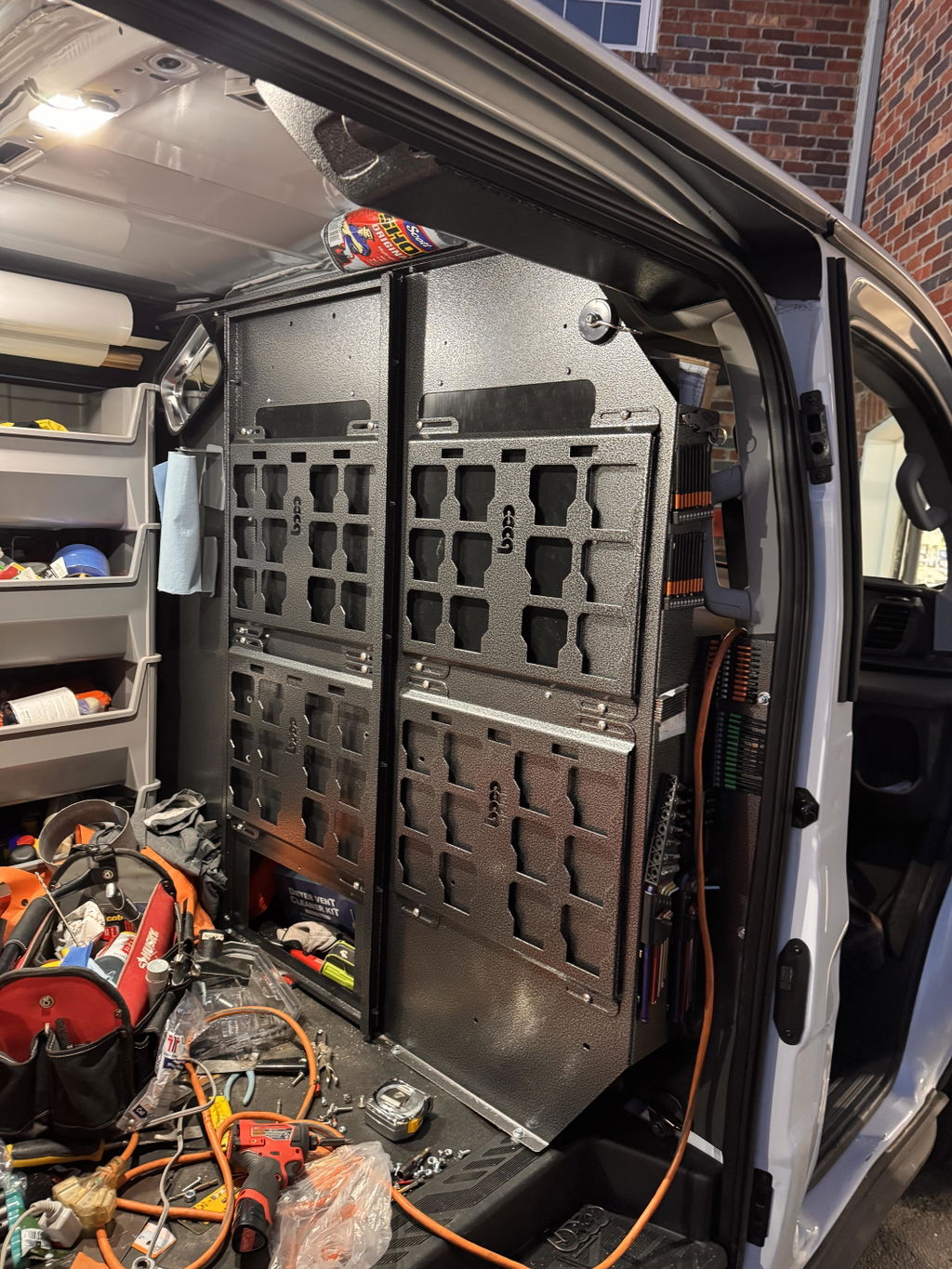
Not only is this way overbuilt for the price with its solid, confident craftsmanship, I am completely convinced that these guys are the best around when it comes to the packout platform.
I like these, they are much more compact than what Milwaukee offers. I had them powder coated in silver vain and they look awesome. I love the bonus half rack they sent me. That’s the mark of a nice company.


Leave a comment