The Ultimate Guide to Finding Professional DXF Files for Custom Tool Storage Inserts
Introduction to Custom Tool Organization and Fabrication
For professional tradespeople, organization is a performance multiplier. Instead of reinventing every bracket or insert, DXF files for tool storage give you a ready-to-cut blueprint that drops straight into your CAD/CAM workflow. Whether you’re dialing in a Milwaukee Packout stack, Ryobi ModBox layout, or Husky drawers, pre-verified files help you fabricate inserts, dividers, and mounting solutions with speed and accuracy.
DXF is a widely compatible 2D vector format, ideal for laser, plasma, waterjet, or CNC routing. High-quality laser cutting tool templates and CNC metal cutting patterns eliminate guesswork, ensuring mounting hole locations and footprints match OEM systems. This is especially critical for low-profile, heavy duty mounting plate files that need to lock modules securely during transport.
When evaluating workshop organization DXF downloads and custom fabrication design files, look for:
OEM-accurate footprints and hole patterns for Packout, ModBox, and Husky systems
Clean, closed polylines with minimal nodes to optimize cut quality
Logical layer naming (cut, etch/mark, bend) and clear notes for kerf, tabs, and pierce points
Material guidance (common gauges, allowable tolerances) and hardware callouts where applicable
Test-fit features or datum references to streamline alignment and repeatability
Boco Custom focuses on the realities of jobsite use: low-profile, secure designs that stand up to daily abuse and vibration. For shops that fabricate in-house, they offer instant-download professional grade DXF files covering major tool storage systems, so you can cut precise plates, brackets, and inserts on your own equipment. If you’d rather buy proven hardware, their USA-made heavy-duty mounting plates deliver a clean, rigid interface for vans, carts, and shop walls, with local pickup available. They also provide custom design and laser cutting services when your build calls for something beyond standard patterns.
Understanding the Value of Professional Grade DXF Files
Professional-grade DXF files for tool storage are more than drawings—they’re reliable, machine-ready assets that protect margins and deadlines. When you’re cutting inserts, trays, or mounting plates, inaccuracies translate into rattling bins, misaligned latches, and rework at the worst time. Quality custom fabrication design files are prepared for production, not just concept, so they run cleanly on laser, plasma, or CNC routers without manual edits.
The difference shows up in tolerances and intent. Proper laser cutting tool templates account for kerf, material thickness, bend deductions (where applicable), and the exact hole patterns used by major systems like Milwaukee Packout. Edge radii are chosen to prevent micro-fractures, and slot widths reflect real-world fasteners. A small error—like an off-center latch cutout—can turn a tray into scrap or cause hardware interference that ruins a clean install.
What to look for in professional DXF files:
Layered geometry (cut, etch, centerlines, bend notes) with clear naming conventions
Kerf-compensated profiles and pierce-aware lead-ins for lasers
Verified hole spacings, countersinks, and PEM hardware callouts
Tab-and-slot joinery where needed for rigidity and self-jigging assembly
Filleted internal corners sized for the cutting process and material
Efficient nesting suggestions and material utilization notes
Datum references and overall dimensions for quick QC checks
Revision control with change logs and versioned filenames
Optional etch marks for labels, part numbers, or fold indicators
For shops and field crews, this level of detail accelerates fabrication and standardizes results across vehicles and job boxes. CNC metal cutting patterns that are “ready to cut” let you move from download to install with confidence, reducing fitting time and scrap. They also create a repeatable library—ideal for workshop organization DXF downloads and heavy duty mounting plate files you’ll use across projects.
BocoCustom offers instant-download DXF files built from parts they manufacture in-house, so the geometry reflects proven fitment and load considerations. If you prefer a finished solution, their low profile mounting solutions are USA-made and designed for secure transport. Need something unique? Their custom design and laser cutting services can translate your requirements into production-grade files fast.
Illustration for The Ultimate Guide to Finding Professional DXF Files for Custom Tool Storage Inserts
Essential Design Features for Tool Storage Mounting Plates
When evaluating DXF files for tool storage mounting plates, design fundamentals directly affect reliability and fit. Look for drawings that match specific ecosystems (e.g., Milwaukee Packout contours and latch clearances) and vehicle or shop surfaces, with precise hole patterns and keep-out zones. Professional custom fabrication design files should also include clear layer conventions for cut, etch, and center marks so the laser operator can import without rework.
Dimensional accuracy starts with the right material callouts and tolerances. Quality laser cutting tool templates will specify gauge and alloy (12–10 ga steel or 5052 aluminum), kerf assumptions, and hardware standards like 1/4-20 or M6. Good plates stay low-profile yet strong, using countersunk fasteners and tab-and-slot indexing for repeatable assembly; for example, a Packout-compatible plate that sits flush in a van drawer without interfering with latches.
Strength and service life hinge on details that fight vibration and point loads. Favor rounded interior corners, teardrop/keyhole slots where quick-release is needed, and elongated holes for alignment during install. Include standoff options for airflow and drainage, plus provisions for PEM nuts or rivet nuts when backside access is limited. A robust pattern should handle 50+ lb boxes over rough roads without loosening.
Must-have elements in a professional DXF package include:
Separate layers for cut/etch/mark, with bend or fold lines identified if applicable.
Title block with material, thickness, finish, revision, and units (in/mm).
Notes for kerf, pierce points, minimum hole size, and edge radii.
Hardware callouts and spacing: hole-to-edge distances and fastener types.
Alternative hole patterns for common anchors (Unistrut, T-track, M6, 1/4-20).
Optional variants for different thicknesses and mounting orientations.
Simple nesting layout or multiples for efficient sheet utilization.
Corrosion protection and safety should be baked into the file: deburr allowances, chamfers where hands slide, and powder coat or zinc-plating notes. If you’d rather skip drafting from scratch, Boco Custom publishes heavy duty mounting plate files and workshop organization DXF downloads that are CNC-ready and proven in the field. Their CNC metal cutting patterns are designed for USA-made production and can be cut in-house or by your local shop, and they also offer custom design and laser cutting if you need a one-off pattern.
Top Platforms for Reliable Tool Organization File Downloads
Finding dependable DXF files for tool storage starts with choosing sources that prioritize dimensional accuracy and proven fit. For ecosystems like Milwaukee Packout or DeWalt ToughSystem, even a millimeter off on hole spacing can waste time and material. Look for custom fabrication design files that specify material thickness, hardware sizes, and tolerances appropriate for laser, plasma, or waterjet cutting.
Specialist manufacturers are often the most reliable. Boco Custom provides instant-download DXF files for tool storage that mirror their heavy-duty, low-profile mounting plates used by working pros. Because the parts are field-tested, their laser cutting tool templates typically include correct hole patterns, slot widths matched to common gauges, and clean geometry that reduces edge dross and post-processing. If you’d rather buy finished parts, BocoCustom also offers USA-made, laser-cut plates with local pickup options.
Specialist vendors and brand-focused accessory makers: Prefer providers who build and sell the physical parts they publish as DXF, such as BocoCustom. You get workshop organization DXF downloads that align with real-world hardware and loads, and often access to support or custom design services.
Professional CAD libraries: Platforms like GrabCAD or TraceParts can host 2D profiles and assemblies for brackets, rails, and hardware. Verify that files are 1:1, cut-ready DXF (not just 3D STEP/STL) and that licensing permits fabrication.
CNC/DXF marketplaces: Etsy, Gumroad, and dedicated sites (e.g., DXF-focused marketplaces) offer CNC metal cutting patterns for trays, dividers, and wall plates. Check seller ratings, sample dimensions, included formats (DXF R12/AC1009 is a safe bet), and commercial-use rights.
Maker repositories and forums: Communities such as Thingiverse, Printables, or r/lasercutting can surface free templates and jigs. Treat these as starting points—validate dimensions against your tool system and adjust for your stock thickness.
Before purchasing, review file quality and documentation. Look for clear units (inches or mm), material/gauge callouts, layer naming (cut/etch/bend), and notes on kerf, countersinks, or powder-coat clearance. Favor downloads that include revision history and update support, especially for heavy duty mounting plate files used in daily service.
Always verify scale with a printed or scrap test cut and a known reference dimension. For sheet optimization, ask for nested layouts or nest parts yourself to fit your laser bed or 4×8 stock. If your setup requires tweaks, a vendor like Boco Custom can provide custom design and laser cutting services to dial in perfect fitment.
Illustration for The Ultimate Guide to Finding Professional DXF Files for Custom Tool Storage Inserts
Advantages of Low Profile Mounting Solutions for Tradespeople
Low profile mounting solutions let you carry more tools in the same footprint while keeping your vehicle and carts easier to maneuver. By minimizing stack height, you preserve door, drawer, and headroom clearances in vans, trailers, and jobsite boxes. A lower center of gravity also reduces tipping risk when rolling carts over thresholds or braking in traffic.
Space is money on the job. Thin yet rigid plates allow you to nest storage systems under shelves or benchtops, or stack cases without interfering with latches and handles. For example, a low profile plate paired with a Milwaukee-style footprint can fit under a 12-inch shelf where a taller bracket would snag.
Safety improves with a flush, snag-free surface that won’t catch straps, wiring, or workwear. Countersunk hardware and smooth edges help prevent tool cases from shifting, rattling, or wearing through. The result is quieter transport, less damage to gear, and faster load-in/out.
Precision matters, especially when you’re fabricating your own setups. Using DXF files for tool storage ensures consistent hole patterns, tab locations, and offsets, so your plates mount square every time. With laser cutting tool templates and CNC metal cutting patterns, you can integrate tie-down points, lock tabs, and cable pass-throughs without guesswork.
Practical advantages you’ll notice on day one:
Vans and service trucks: keep stack height below window lines and bulkhead vents for better visibility and airflow.
Shop benches: mount cases under a work surface without losing knee clearance or drawer travel.
Job boxes and carts: add secure docking without sacrificing interior volume or lid swing.
Trailers: maintain ramp-door and ceiling clearance while packing more inventory per linear foot.
Boco Custom builds heavy-duty, low-profile mounting plates engineered for popular tool systems and offers instant-download workshop organization DXF downloads for fabricators. If you prefer to cut in-house, their heavy duty mounting plate files and custom fabrication design files streamline production; if not, their USA-made laser cutting and custom design services can deliver finished parts with quick local pickup. For tradespeople who value secure, efficient layouts, BocoCustom.com is a reliable source for precise patterns and ready-to-use hardware solutions.
Maximizing Efficiency with Precision Laser Cut Storage Inserts
Precision DXF files for tool storage turn one-off ideas into repeatable, high‑accuracy inserts that save time on every job. With clean geometry, correct kerf assumptions, and consistent hole standards, you can laser cut drawer dividers, bit racks, battery mounts, and low‑profile backing plates that fit the first time. This approach eliminates manual layout, produces tighter tolerances than hand tools, and keeps toolkits standardized across vans, carts, and site boxes.
Choose materials to match the duty cycle and environment. For metal inserts, 12–16 ga mild steel or 0.090–0.125 in 5052 aluminum balances rigidity and weight; for non‑marring dividers, HDPE or Baltic birch ply works well. Quality laser cutting tool templates should include radiused internal corners, deburring allowances, and slot clearances for straps or zip ties. If you plan post‑processing, add countersink callouts and etch layers for logos, part numbers, and alignment marks in the CNC metal cutting patterns.
Illustration for The Ultimate Guide to Finding Professional DXF Files for Custom Tool Storage Inserts
A streamlined workflow keeps fabrication fast and predictable:
Identify the storage platform (e.g., PACKOUT drawers, van shelving, service cart) and the exact mounting grid or hole pattern you need to tie into.
Source workshop organization DXF downloads that match your system, or start with parametric custom fabrication design files to tweak dimensions.
Adjust holes for your hardware (PEM nuts, rivnuts, M5/M6 fasteners) and add slotted holes for adjustability.
Apply kerf compensation and bridge/micro‑tab strategy appropriate to your laser to minimize tip‑up.
Nest parts to maximize sheet yield and record the material, pierce count, and cut time for future batches.
Post‑cut, deburr, press hardware, and finish (zinc, powder coat, or anodize) before final assembly.
Batching pays off when your DXF files encode consistent rules. Layered etch lines speed labeling and kitting. Standardized radii and hole families reduce tool changes and scrap. Over time, a small library of heavy duty mounting plate files—battery banks, charger trays, impact/driver holsters—lets you reconfigure kits without redesign, keeping crews productive and inventory organized.
Boco Custom supports this workflow with instant‑download DXF files for tool storage and USA‑made, low‑profile mounting plates compatible with popular professional systems. Their files are optimized for laser cutting, and they offer custom design and cutting services when you need a bespoke bracket or plate, plus local pickup for fast turnarounds.
Conclusion: Enhancing Your Workspace with Professional Designs
Choosing the right DXF files for tool storage is ultimately about building a safer, more efficient workflow. Professional, well-structured drawings let you move from concept to cut with fewer errors, whether you’re running a fiber laser, CNC plasma, or router. Quality workshop organization DXF downloads also ensure repeatability across teams and job sites, so replacements and add-ons fit the first time.
Before you commit to a file set, validate that it matches your process and materials. Look for details that signal production-ready standards in any laser cutting tool templates or CNC metal cutting patterns you buy or download:
Clear layer naming for cut/etch/bend and notes on fasteners
Kerf compensation guidance and pierce/lead-in strategies
Material and thickness callouts with tolerance targets
Bend lines and press-brake notes where applicable
Hardware specifications (rivnuts, carriage bolts, standoffs) and hole sizing
Test coupons or small fit-check parts to verify your setup
For tradespeople building out systems like tool drawers, van walls, or modular cases, robust inserts and mounting plates pay off immediately. Cut components in common gauges (14–10 ga steel or 5052 aluminum, as your load demands), deburr and finish, then fasten with rivnuts or through-bolts that align to OEM hole patterns. A simple example: use a low-profile base plate with slotted adjustment and labeled tool cutouts so sockets, crimpers, and meters lock in securely yet lift out quickly—no rattles on the road, no wasted time on-site.
If you want proven heavy duty mounting plate files without reinventing the wheel, Boco Custom offers instant-download DXF options built for popular professional storage systems. Their USA-made designs keep profiles low and secure, and you can choose between finished plates or custom fabrication design files to cut in-house. Need something unique? BocoCustom’s custom design and laser cutting services can adapt patterns to your dimensions, material, and hardware, with local pickup available for tight timelines.
As you close out your design, run a small test cut, document pierce heights and speeds, and standardize finishing steps for consistent results. Keep a master library of DXF files for tool storage with version control so updates propagate to every vehicle or cart. With the right files and process—and a reliable source like Boco Custom—you’ll turn organization into a durable competitive advantage.
Standard shipping takes 5 to 7 business days. Express (2 to 3 days) and overnight options are available at checkout. Orders over $50 ship free.
Can I order online and pick up in store?
Yes. Select "Pick up in store" at checkout and choose your nearest location. Most orders are ready within 2 hours.
What if my order arrives damaged?
Contact us within 7 days of delivery with your order number and a photo. We'll arrange a replacement or refund, no return shipping required.
AI-Generated Content Disclosure
This blog post was created with the assistance of RankGPT, an AI-powered tool designed to generate high-quality, SEO-optimized content at scale.
As a small business embracing modern technology, we use AI to help us:
Produce informative articles more efficiently
Increase our online visibility through better performance in traditional search engines (like Google) as well as emerging AI-powered searches and answer engines
Reach more potential customers and grow our presence in a competitive digital landscape
By leveraging tools like RankGPT, we're able to publish valuable content more consistently and scale our efforts in ways that would otherwise take significantly more time and resources.
Important notes for readers:
While RankGPT helps create well-structured and relevant content based on current best practices, AI-generated posts are not always 100% accurate, complete, or free from errors.
The information, opinions, and perspectives expressed may not fully reflect the exact views, experiences, or official positions of Boco Custom, its team members, or the individuals involved in our business.
AI content should be viewed as a starting point or general resource—not as personalized professional advice, definitive facts, or a substitute for direct consultation with us or qualified experts.
We always recommend verifying important details independently, especially for decisions related to custom products, services, or any business matters.
We are committed to transparency and continually work to improve our content. If you have questions, feedback, or spot any inaccuracies, please reach out—we genuinely appreciate it!
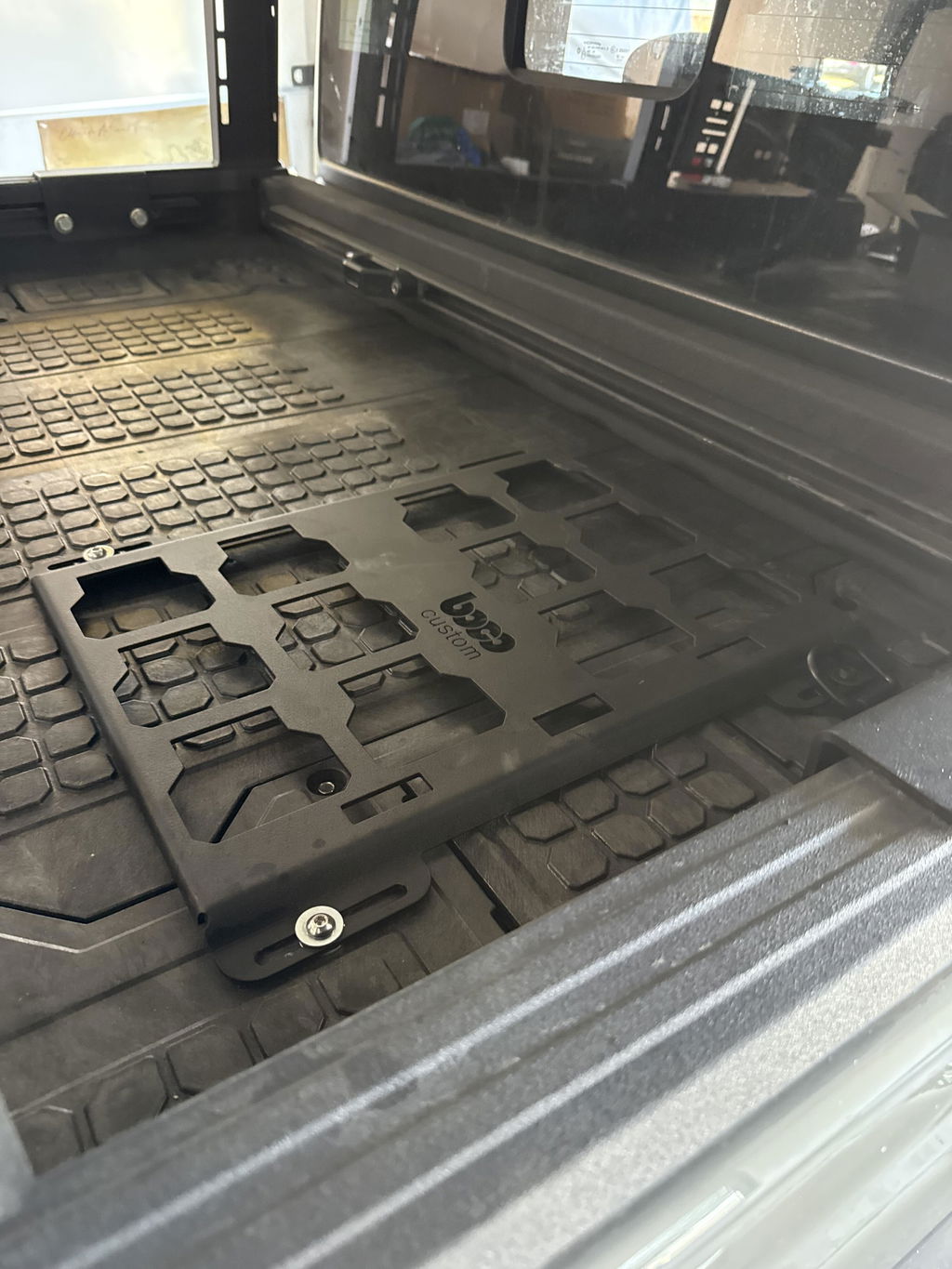
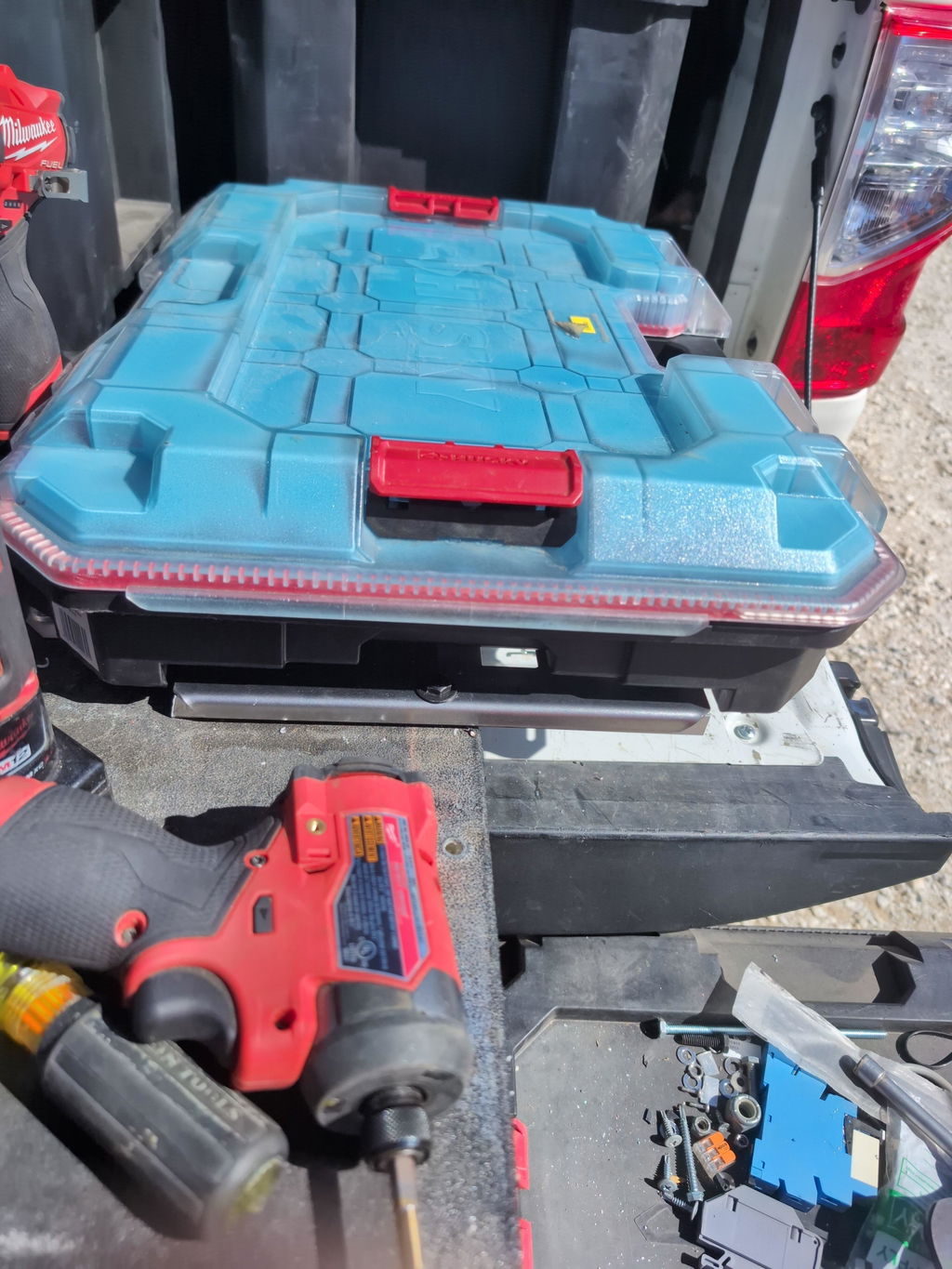
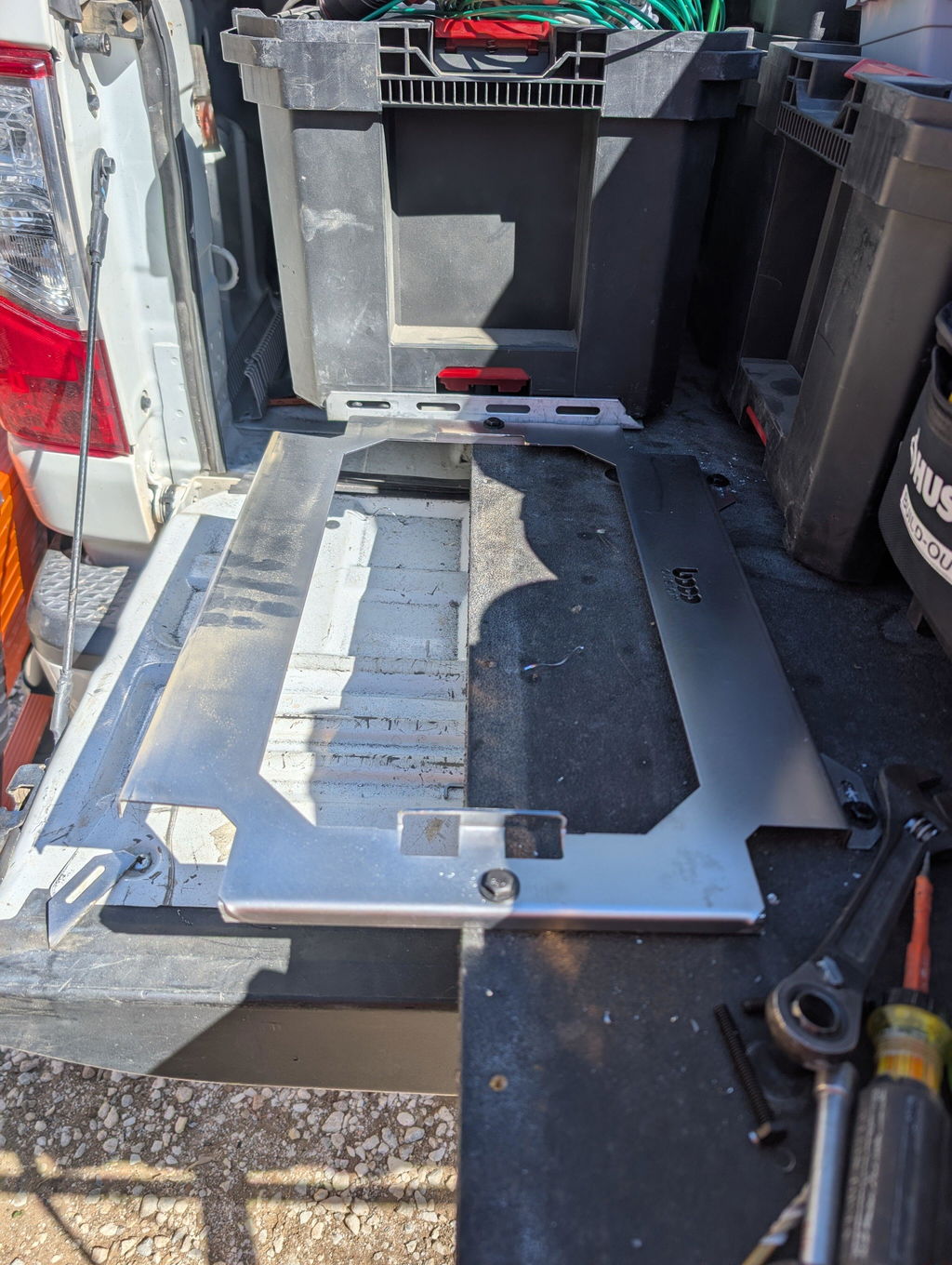
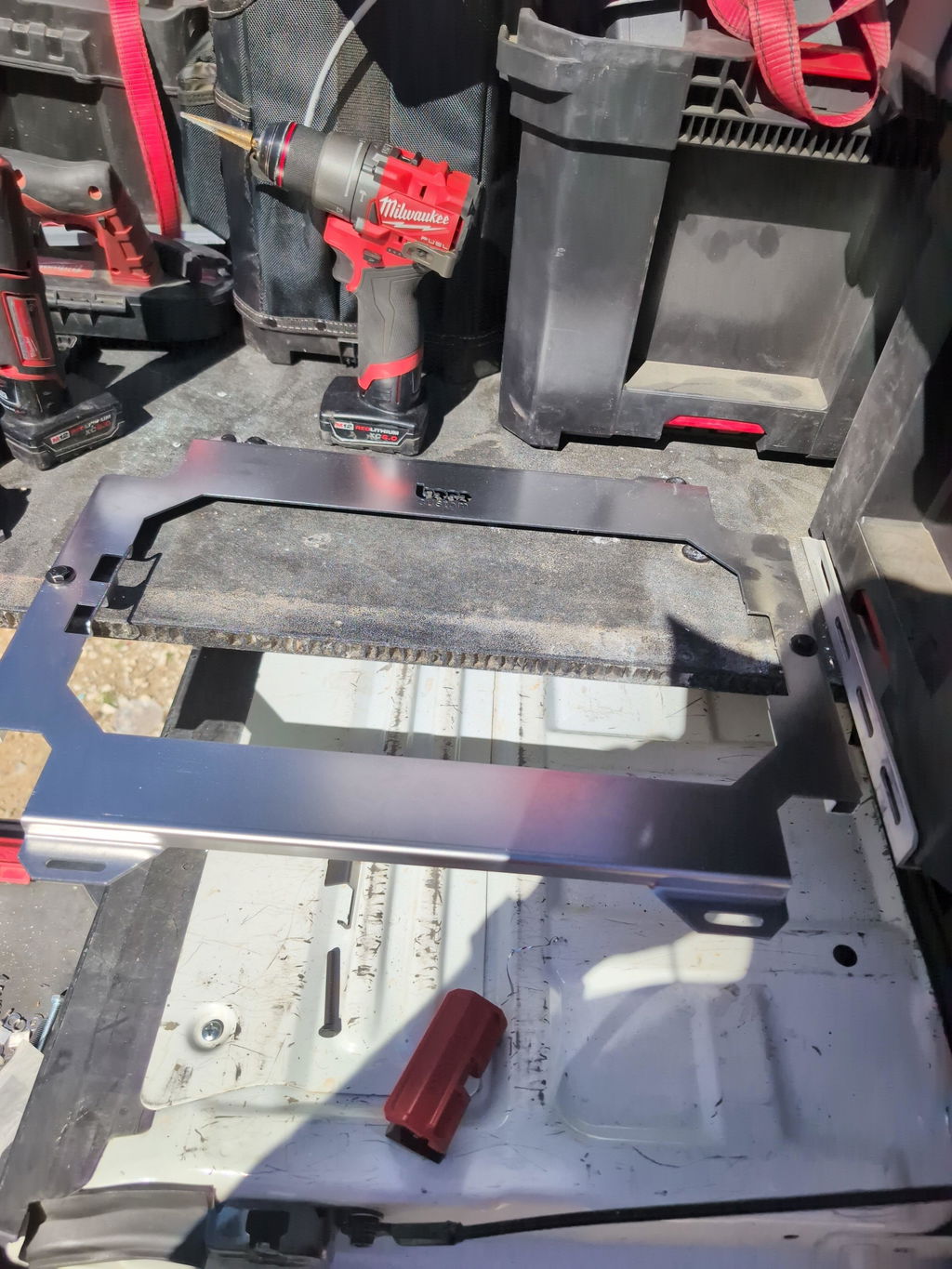
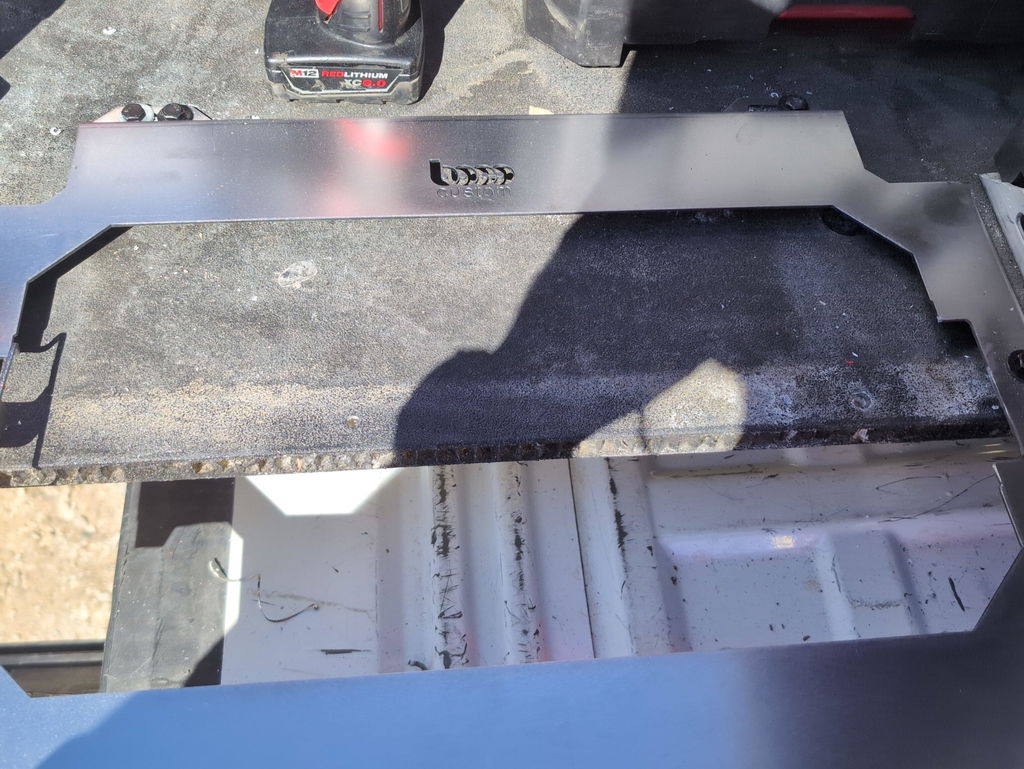
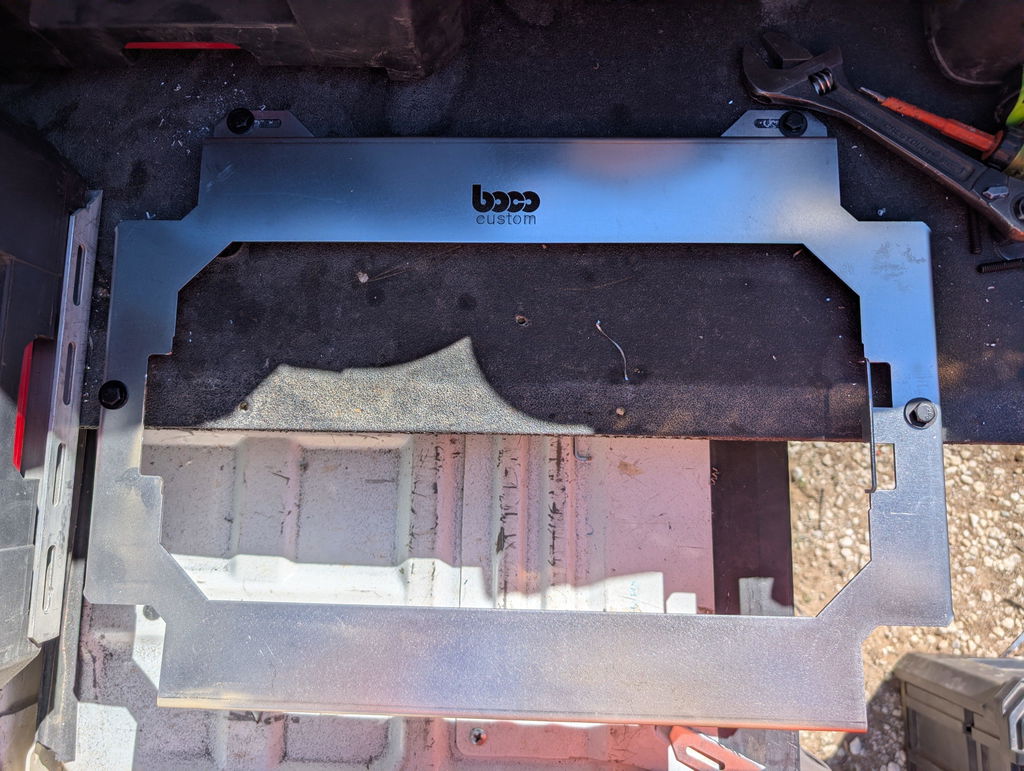
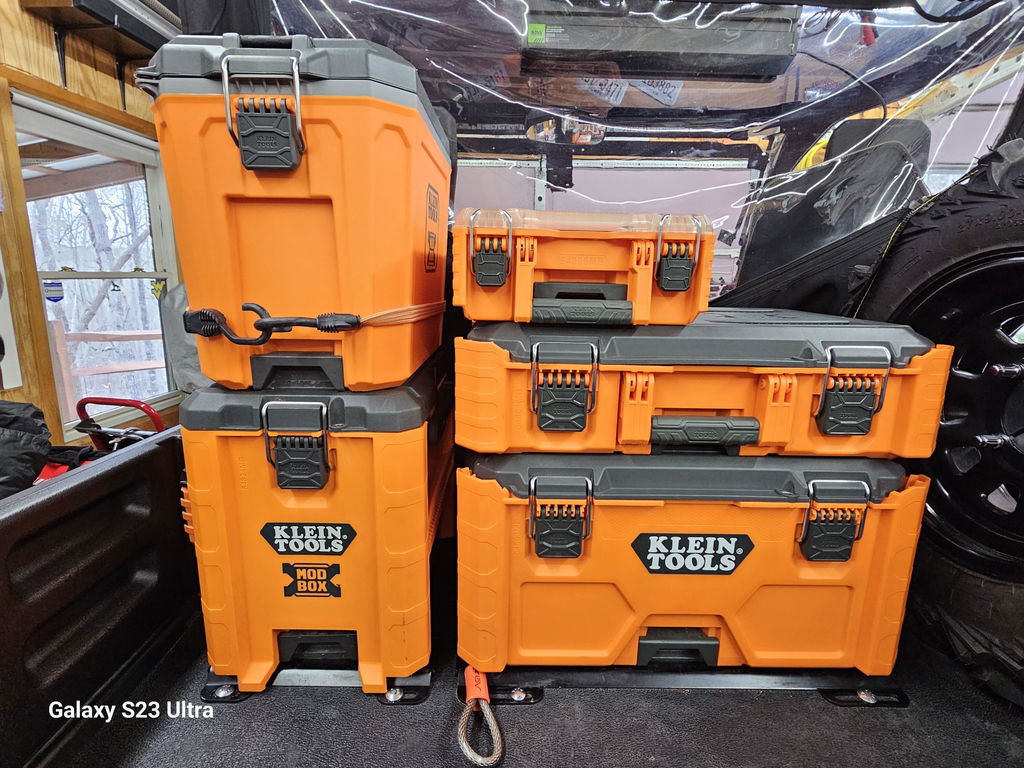
Not only is this way overbuilt for the price with its solid, confident craftsmanship, I am completely convinced that these guys are the best around when it comes to the packout platform.
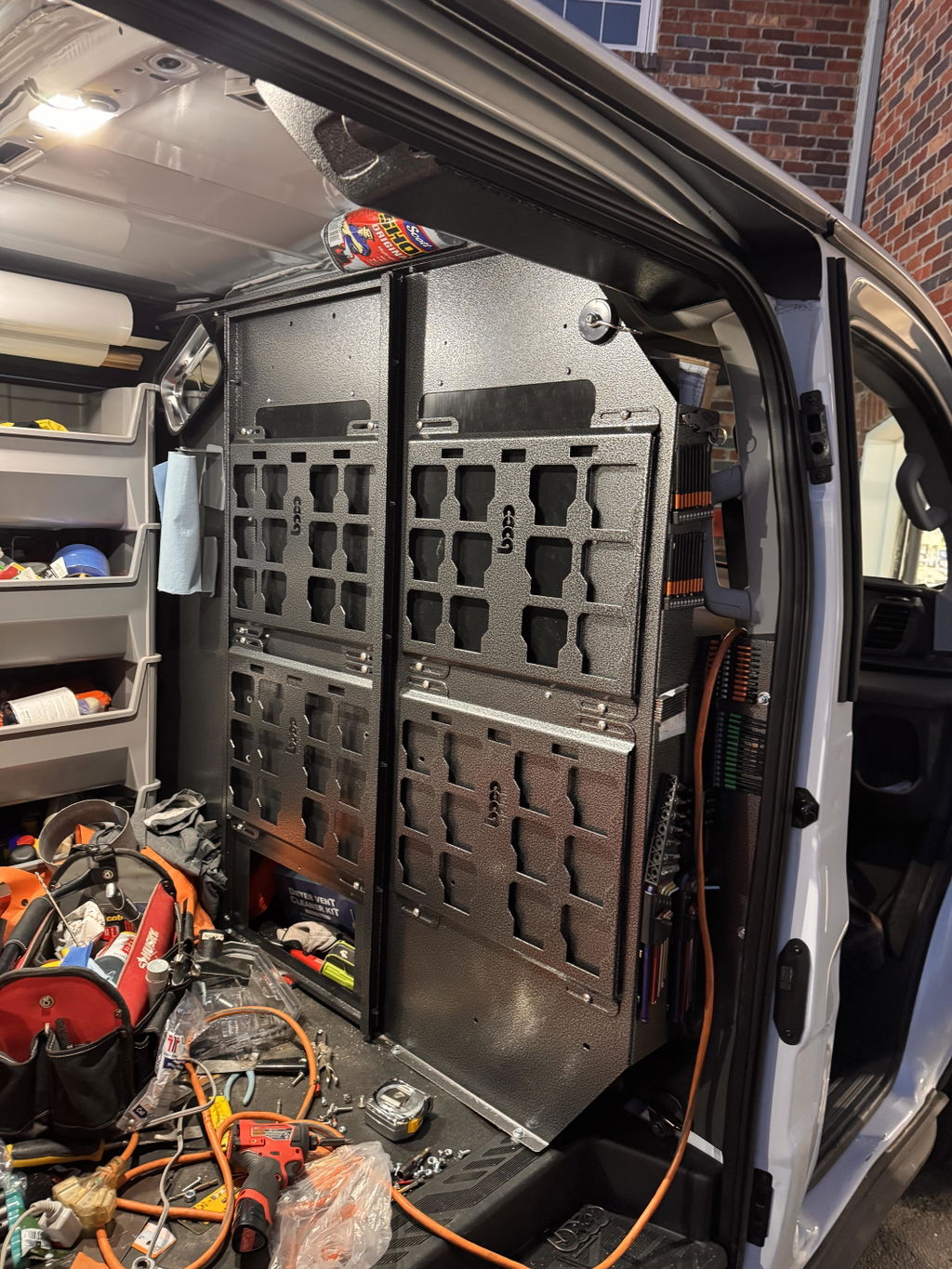
I like these, they are much more compact than what Milwaukee offers. I had them powder coated in silver vain and they look awesome. I love the bonus half rack they sent me. That’s the mark of a nice company.


Dejar un comentario