Mobile Workshop Tool Security: Effective Solutions to Prevent Theft
Introduction: The Rising Challenge of Mobile Workshop Tool Theft
Mobile workshop tool security has become a mission-critical concern for professional tradespeople. Work happens on the move—in service vans, trailers, and job sites where access is fluid and visibility is high. That mobility creates opportunity for thieves who understand exactly how valuable professional-grade tools and organized storage systems are. With power tools, specialty kits, and modular storage commanding strong resale demand, the risk profile for on-the-go technicians continues to rise.
For many crews, theft is no longer a rare event but a recurring line item. Opportunistic “snatch and grab” attempts target unlocked boxes, loose stacks, and unattended vehicles. Organized thieves take it further by casing vehicles, scouting typical parking routines, and returning with the right pry bars or battery cut-off saws to defeat poorly protected storage. The reality is stark: if gear can be seen, quickly moved, or pried away with leverage, it’s a target.
Addressing this challenge requires more than adding a padlock. Effective tool theft prevention demands a combination of better design, improved mounting practices, layered access control, and clear operating habits for the crew. The payoff is measurable—less downtime, fewer insurance headaches, higher productivity, and a reputation for reliability when schedules are tight and delays are costly.
Why Professional Tradespeople Are Vulnerable to Tool Theft
The nature of skilled trade work makes professionals uniquely exposed to theft risks. Thieves know the value of what you carry and how critical it is to your livelihood. They also know where to look.
Common risk factors include:
Predictable routines: Regular work hours and repeat parking locations make vehicles easy to scout.
Visible inventory: Branded vans, open tailgates, and transparent windows can advertise what’s inside.
Frequent transitions: Loading and unloading in public environments creates many short windows of opportunity.
Modular stacks: Popular tool storage systems can be separated and moved quickly if not anchored.
Thieves’ methods vary. Some break glass and pull a stack within seconds. Others pry weak points in storage with long bars. A growing number use cordless cut-off tools on hasps and chains. Even a well-built case is vulnerable if its mounting or tie-down method creates leverage points or leaves fastener heads exposed.
All of this underscores a simple truth: portable systems are strong, but their real-world security comes from how they’re integrated into a vehicle or site workflow. That’s where design, mounting strategy, and clear procedures make the difference.
Understanding the Cost of Losing Critical Equipment
Losing a drill or two is frustrating. Losing a full kit or a specialized meter can shut down an entire day—or a week. The cost of theft extends well beyond tool replacement and deductibles.
Direct costs:
Replacement tools, batteries, and chargers
Damaged vehicle locks, windows, and storage
Emergency purchases at premium pricing
Indirect costs:
Job delays and missed deadlines
Rescheduling subs and inspections
Overtime to catch up
Diminished client confidence
Lost data from custom setups or serialized calibrations
Illustration 1
Consider a conservative example. A crew’s van is hit overnight:
$6,500 in tools and storage lost
$1,200 vehicle damage
One day lost across a three-person crew ($2,400 in labor + overhead)
Next-day rush purchases at a 10–15% premium
Total impact for the week can easily exceed $10,000. Repeat incidents multiply the effects: higher insurance premiums, time sunk into claims and procurement, and the long tail of compromised scheduling. In contrast, a structured investment in securing portable tool storage—through better mounting, locks, tracking, and crew procedures—typically pays for itself with a single prevented incident.
Essential Security Features for Mobile Tool Storage Systems
Not all security upgrades require a new toolbox. Many of the most effective improvements are about how the system is mounted, reinforced, and accessed.
Build a foundation with these features:
Strong base anchoring: Use heavy-duty mounting plates, backer plates, and grade 8 hardware to eliminate flex and leverage points. A solid foundation makes prying exponentially harder.
Low-profile interfaces: Recessed plates, countersunk fasteners, and flush-mount brackets reduce handholds and pry gaps.
Shrouded locks and hasps: Guard padlock shackles with steel housings or puck locks to defeat common cutting tools.
Hinge and latch protection: Reinforce hinges, add anti-pry lips, and ensure closures seat tightly against hard-to-access flanges.
Tamper-resistant hardware: Use security Torx, button-head, or carriage bolts with interior nuts inaccessible from outside the vehicle body.
Multi-point tie-downs: Distribute loads with E-Track or L-Track and secondary straps; redundancy buys time in an attack and stability in transit.
Compartmentalization: Separate high-value items into locked modules or hidden compartments to reduce single-event losses.
Serialization and marking: Engrave, stamp, or label assets; visible IDs deter resale and help law enforcement recovery.
Rapid lock workflows: Keyed-alike systems and routine-friendly lock placement make compliance easy during short stops.
The best security setups start with a rigid, low-profile mount, then layer on controlled access and redundancy. If a thief can’t get leverage, can’t find a shackle to cut, and can’t remove mounting hardware without destroying the vehicle, most will move on.
Low-Profile Mounting Solutions That Deter Theft
Low-profile mounting changes the equation by reducing exposed surfaces and leverage paths. Instead of standing proud from a wall or floor, a secure stack sits close to structure, with smooth transitions and recessed fasteners. That design makes it difficult to insert pry bars, access bolt heads, or separate modules quickly.
Key advantages of low-profile mounting:
Fewer pry points: Tight clearances limit bar insertion and twisting force.
Stronger load paths: Shear loads transfer into structure rather than into lock housings or plastic interfaces.
Lower visibility: Clean installs blend into interiors and don’t advertise high-value storage.
Faster compliance: Integrated and ergonomic locks get used consistently, even on short stops.
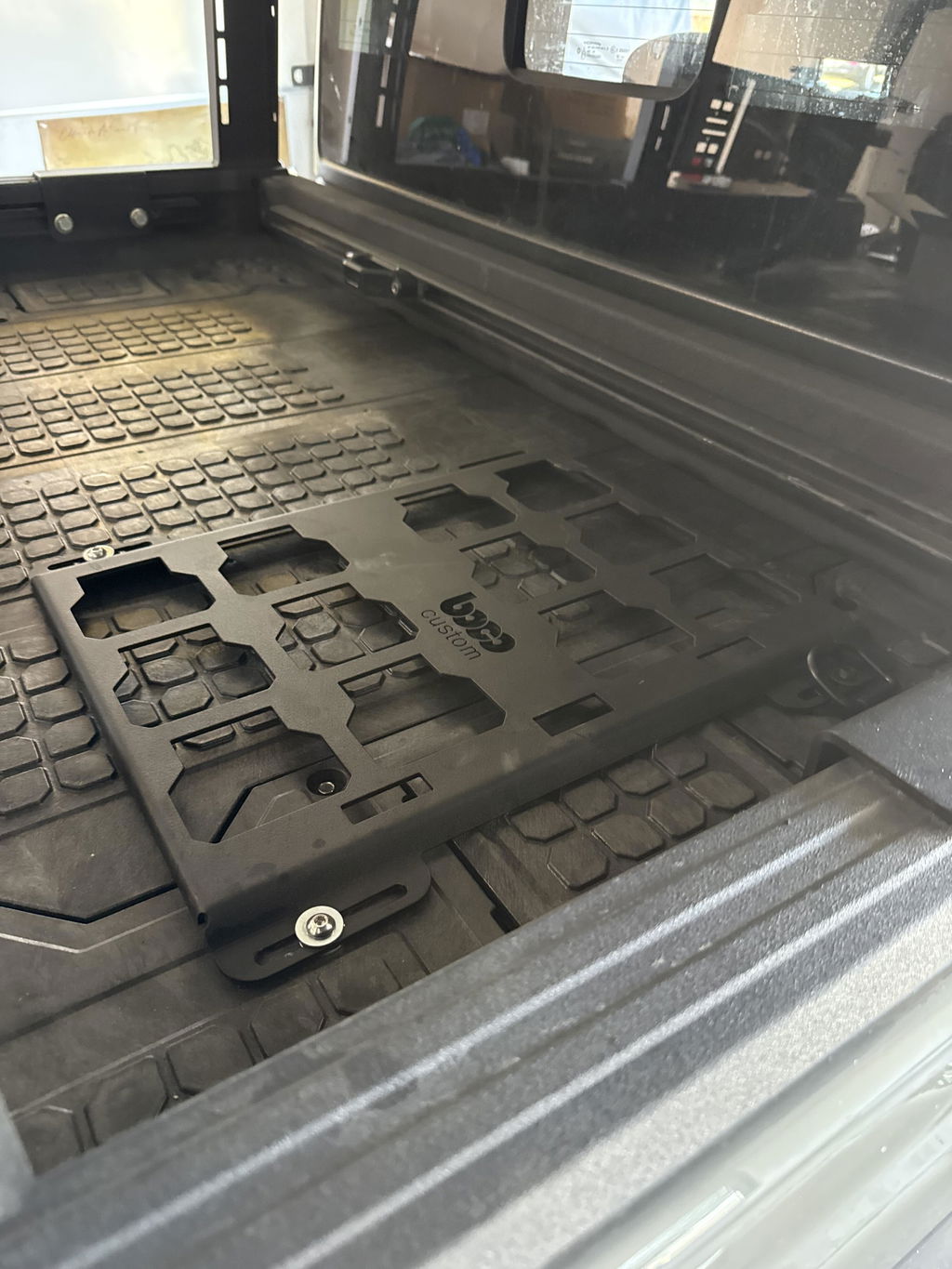
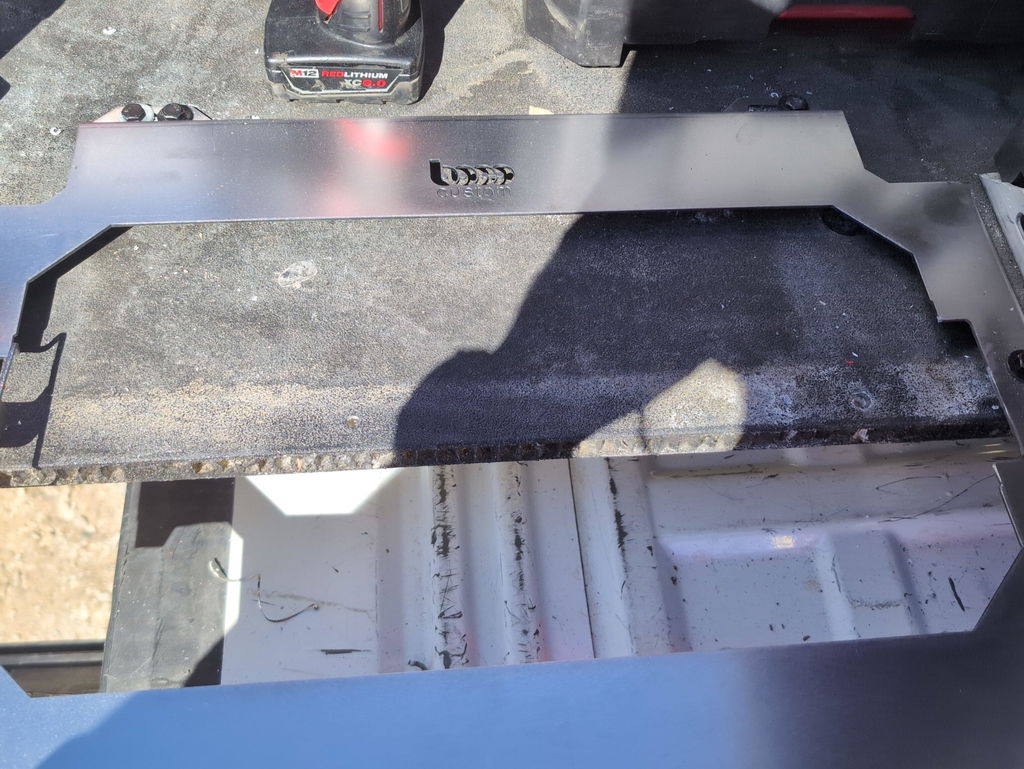
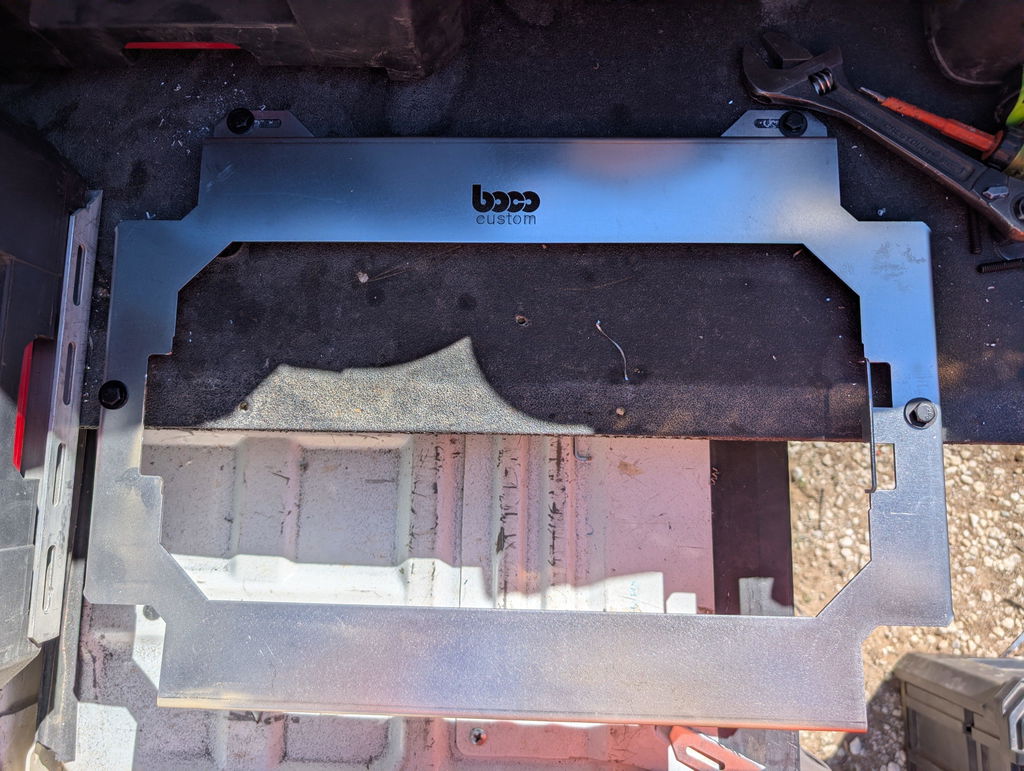
Boco Custom manufactures heavy-duty, low-profile mounting plates engineered specifically for popular professional systems like Milwaukee Packout, Klein MODbox, and DeWalt. Precision laser-cut steel or aluminum, countersunk holes, and rigid geometry help resist dynamic loads and tampering. Their plates are designed for secure, compact stacking in vans, trailers, and shop walls—built in the USA and guaranteed not to fail.
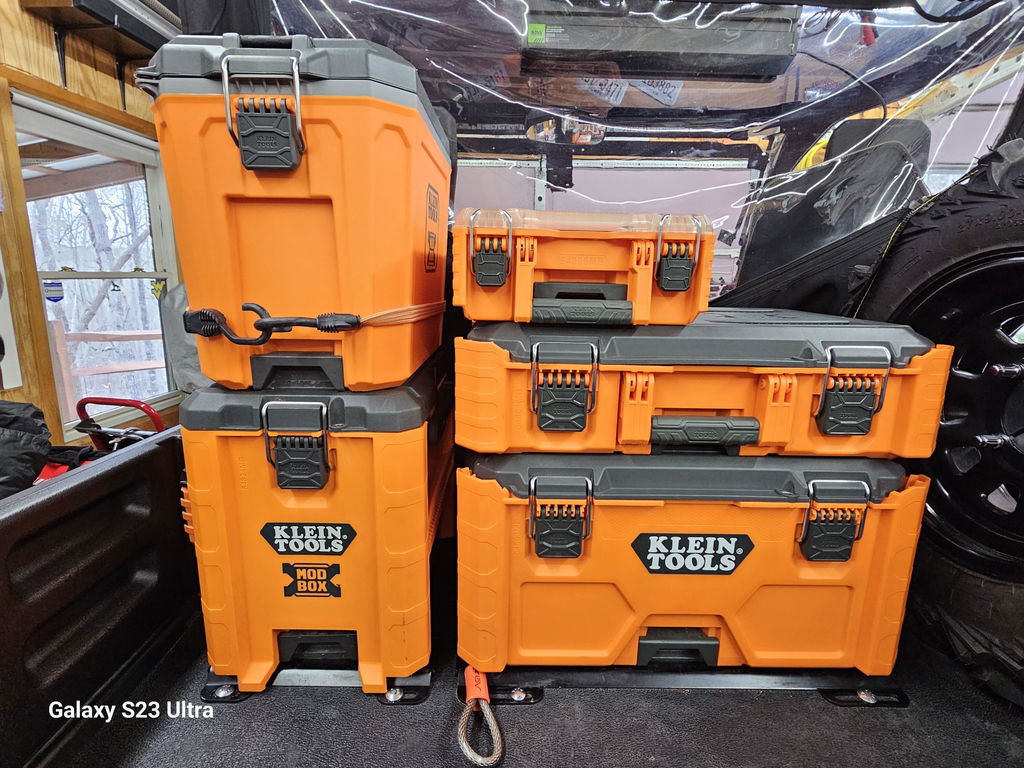
If you’re running a Klein setup, consider a purpose-built plate such as the Modbox heavy-duty mounting plate to anchor your base layer and eliminate wobble. For DeWalt users, a dedicated interface like the DeWalt ToughBox mounting plate provides a similarly tight, tamper-resistant footprint. The practical difference is profound: with a secure, low-profile base, thieves encounter solid structure—not movable targets.
Custom Fabrication for Enhanced Tool Organization
Even the best off-the-shelf solutions benefit from custom touches. Mobile job site security often improves when storage is purpose-fit to a specific van bay, trailer bulkhead, or cart dimension. Clean layouts reduce clutter, make locks easier to access, and shorten load/unload cycles—the same routines that limit theft opportunities.
Illustration 2
Common customizations that boost tradesman equipment protection:
Vehicle-specific backer plates that distribute force across ribs or composite panels
Angle brackets that tie stacks into floors and walls without protruding flanges
Recessed lock housings and shrouds cut to match your chosen padlocks
Sliding or hinged covers that conceal release tabs and latch mechanisms
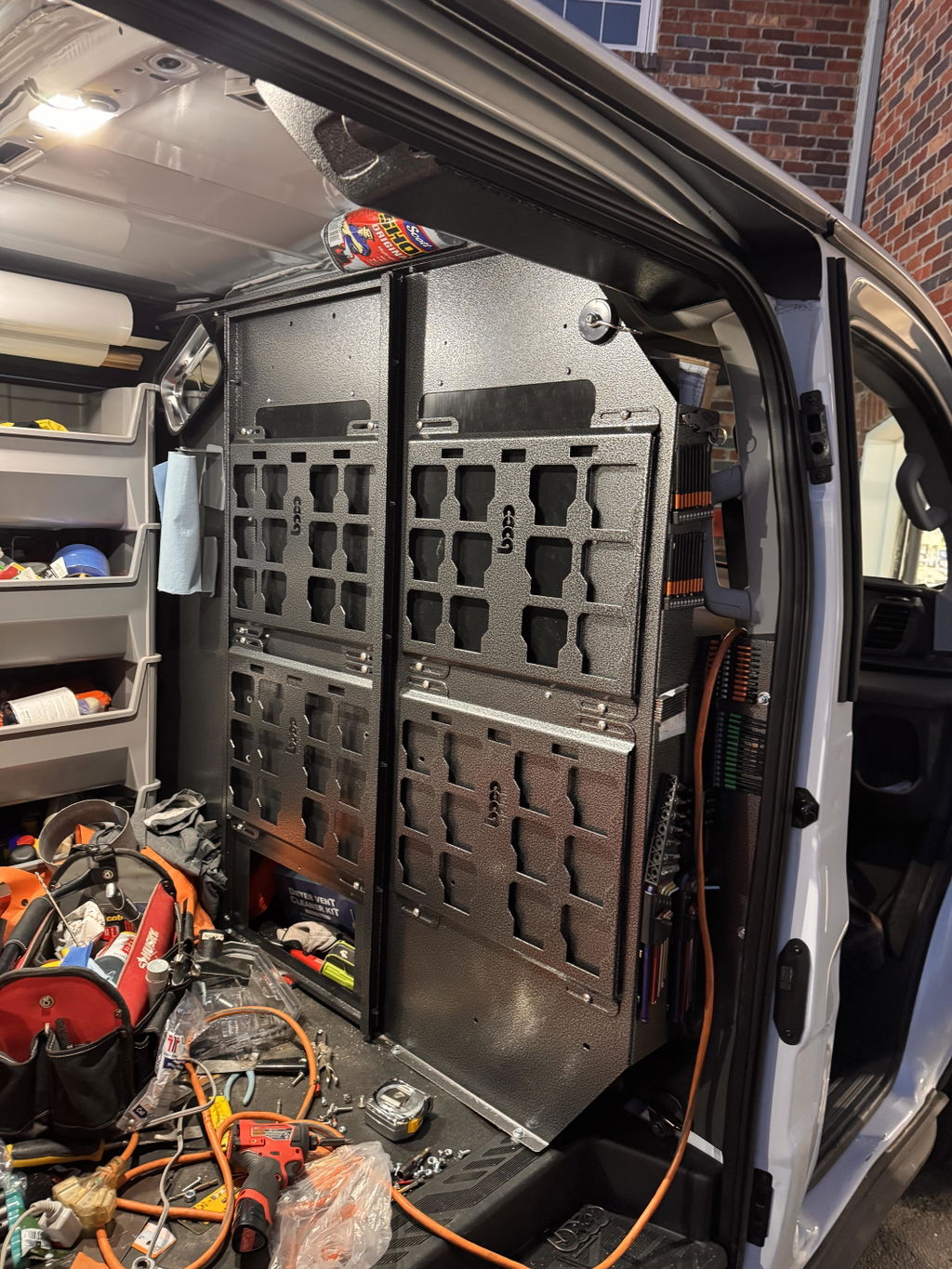
Integrated E-Track/L-Track panels for multi-point restraint
Label plates or custom metal signs for quick module ID
For fabricators and shops with cutting capability, instant-download DXF files accelerate precise builds. Boco Custom offers DXFs for many major tool systems, allowing pros to cut steel, aluminum, acrylic, or wood on their own schedule. That flexibility is valuable when a fleet needs uniform mounts across multiple vehicles or when a unique layout demands a one-off part. Accurate hole patterns, countersink callouts, and material thickness notes save iteration time and ensure compatibility.
If you’re outsourcing fabrication, provide accurate measurements, photos, and intended load ratings. Specify materials and finishes aligned to your environment—powder-coated steel for toughness, aluminum for weight savings, stainless hardware for corrosion resistance, and nylon-insert lock nuts for vibration security. Small details add up to reliable day-to-day performance and better theft resistance.
Securing Your Mobile Workshop During Transport
A well-mounted stack still needs a transport strategy. Vehicles and trailers introduce dynamic loads—braking, cornering, potholes—that can test fasteners and straps. The stronger the tie-down system, the less chance a thief has to exploit slack or movement.
Core transport practices:
Anchor into structure: Use through-bolts with wide backer plates on van floors and bulkheads. In trailers, tie into frame members, not just plywood.
Use multi-point restraint: Combine a low-profile base plate with E-Track or L-Track straps that prevent tipping and sliding in multiple axes.
Choose quality hardware: Grade 8 bolts, fender washers, rivnuts where appropriate, and torque settings noted and re-checked monthly.
Isolate high-value modules: Lock critical diagnostic gear or sensitive instruments in separate, shrouded compartments.
Manage visibility: Block line-of-sight into cargo with bulkheads, shades, or opaque film. Keep interiors tidy so nothing looks quickly removable.
Park defensively: Nose-in close to a wall or barrier, lights on a timer, cameras visible, and alarms armed—even during short stops.
Transport security is also about routine. Always engage locks before the vehicle moves. Standardize key control across the crew. Keep quick-release straps under tension and ends tucked so they can’t be pulled loose from outside a door seam. Finally, log a weekly inspection—check for loose hardware, strap wear, and latch alignment. Consistency turns strong components into a strong system.
Best Practices for Job Site Tool Management
On site, speed and organization reduce opportunities for theft. Clear zones, predictable staging, and simple rules minimize moments when tools sit unattended or unlocked.
Proven field practices:
Set up a secure zone: Establish a centralized, visible area for portable storage within line-of-sight of active work.
Lock between tasks: Even for short walks, lock stacks and close doors. Keyed-alike locks remove excuses.
Limit exposure: Bring only what’s needed for the task window; keep the rest locked in the vehicle.
Anchor at the site: Use a chain and shrouded lock to secure a base plate or cart to immovable structure when practical.
Control access: Assign a tool lead per crew, track check-outs on a shared app or clipboard, and audit at lunch and day’s end.
Stage returns: Designate a “tools back now” period before cleanup so missing items are found before departure.
Mark and engrave: Visible ownership marks reduce resale value and help police link recovered tools to your company.
Implement 5S-inspired organization—sort, set in order, shine, standardize, sustain—to keep everything predictable. Neat, labeled, low-profile setups aren’t just faster. They’re harder to exploit because crew members notice instantly when a latch is open or a case is out of place.
Technology and Design Innovations in Tool Security
Modern security blends smart tech with thoughtful mechanical design. The goal isn’t to turn a work van into a server room; it’s to raise the difficulty, increase the chance of detection, and shorten recovery times.
Illustration 3
Useful innovations include:
Asset tracking tags: Bluetooth or ultra-wideband tags inside tool cases allow rapid audits and proximity alerts. Some users deploy multiple tags per high-value kit.
GPS beacons: Discreet, hard-to-reach GPS devices in the vehicle or within the storage area can help track larger theft events.
Smart padlocks and sensors: Battery-powered locks with tamper alerts, or contact switches tied to an alarm module, deter prolonged attacks.
QR-coded inventory: Quick scans at the start and end of the day maintain accountability without slowing the crew.
Tamper-evident seals: Low-cost seals on infrequently used modules make silent pilfering obvious.
Anti-pry geometry: Step flanges, recessed handles, and double-shear latch paths are design upgrades that frustrate common break-in techniques.
Fastener strategy: Hidden nut plates, carriage bolts through inaccessible cavities, and interior-only access eliminate exterior attack options.
Design maturity also shows in materials and finishes. Laser-cut steel and aluminum with radius edges, proper edge distances on holes, and corrosion-resistant coatings hold up over time and resist fatigue. Low-profile mounting plates with countersunk, security-drive fasteners minimize standout features, keeping the overall installation discreet and durable.
Implementing a Comprehensive Security Strategy
An effective plan starts with assessment and ends with routine. Treat mobile job site security like any other operational system—documented, trained, and measured.
Step-by-step approach:
Audit assets and routes: List tools, storage modules, vehicle types, parking patterns, and typical job site conditions.
Rank risk: Identify high-value and high-frequency targets. Note past incidents and near-misses.
Define standards: Select approved mounting plates, locks, tags, and fasteners. Standardize keys and inventory labels across the fleet.
Engineer the base: Install low-profile mounting plates tied into structure, with tamper-resistant hardware and shrouded locks.
Layer controls: Add tracking tags, interior cameras where appropriate, and a lock workflow for short and long stops.
Train the crew: Short, practical sessions on securing portable tool storage, check-out procedures, and daily inspections.
Document response: Incident playbook, points of contact, serial number lists, and immediate steps for police and insurance.
Measure and refine: Track losses, attempted thefts, inspection results, and compliance. Adjust standards as needed.
Budgeting can follow a good-better-best model. Good: standardized locks, engraving, and a single base plate per vehicle. Better: full low-profile stack integration, shrouded puck locks, and QR inventory. Best: comprehensive install with multi-point restraint, GPS or BLE tracking, interior sensors, and documented SOPs. The right level depends on your risk exposure and the cost of downtime.
Protecting Your Investment: Long-Term Solutions
Security is a lifecycle effort. Hardware wears, crews turn over, and thieves adapt. Long-term success comes from maintenance, documentation, and steady improvement.
Build longevity into your plan:
Scheduled inspections: Monthly torque checks on mounting hardware, strap condition, lock function, and latch alignment.
Corrosion control: Keep coatings intact; address chips and scratches promptly. Choose stainless or zinc-plated fasteners for harsh climates.
Key management: Track issued keys, maintain a spare set in a secure location, and rotate codes when staff changes occur.
Documentation: Maintain a master list of serial numbers with photos and receipts; store it offsite or in the cloud.
Insurance alignment: Verify that policy terms cover mobile tools and accessories; adjust coverage as inventory evolves.
Community engagement: Share incident details with local trade networks; stolen gear is often recovered through peer alerts.
Continuous improvement: Review incidents and near-misses. Update mounts, shrouds, and procedures where patterns emerge.
When replacements or upgrades are needed, standardize. Matching low-profile mounting plates, consistent lock types, and uniform labeling across the fleet simplify training, reduce errors, and speed response. Over time, that consistency transforms security from an afterthought into a built-in advantage.
Conclusion: Building a Theft-Resistant Mobile Workshop
Tool theft thrives on opportunity—loose stacks, exposed fasteners, unlocked modules, and predictable routines. A theft-resistant mobile workshop removes those opportunities through strong design, disciplined workflows, and the right hardware. Low-profile, heavy-duty mounting eliminates leverage points and keeps storage tightly integrated with the vehicle. Layered access control, smart tagging, and clear crew practices close the remaining gaps.
The result isn’t just fewer incidents; it’s smoother operations. Jobs start on time, inventory stays accurate, and crews spend their energy on work that matters. For professionals running Milwaukee Packout, Klein MODbox, DeWalt, and similar systems, purpose-built base plates and custom fabrication are central to securing portable tool storage without sacrificing speed or space. Companies like Boco Custom support that approach with USA-made, laser-cut mounting solutions and instant-download DXF files for fabricators who prefer to build in-house.
Start with a candid assessment, standardize on rugged, low-profile mounts, and train the team on a fast, repeatable lock routine. Then add technology and documentation to improve detection and recovery. With a comprehensive strategy, mobile workshop tool security stops being a vulnerability and becomes part of your competitive edge.
Standard shipping takes 5 to 7 business days. Express (2 to 3 days) and overnight options are available at checkout. Orders over $50 ship free.
Can I order online and pick up in store?
Yes. Select "Pick up in store" at checkout and choose your nearest location. Most orders are ready within 2 hours.
What if my order arrives damaged?
Contact us within 7 days of delivery with your order number and a photo. We'll arrange a replacement or refund, no return shipping required.
AI-Generated Content Disclosure
This blog post was created with the assistance of RankGPT, an AI-powered tool designed to generate high-quality, SEO-optimized content at scale.
As a small business embracing modern technology, we use AI to help us:
Produce informative articles more efficiently
Increase our online visibility through better performance in traditional search engines (like Google) as well as emerging AI-powered searches and answer engines
Reach more potential customers and grow our presence in a competitive digital landscape
By leveraging tools like RankGPT, we're able to publish valuable content more consistently and scale our efforts in ways that would otherwise take significantly more time and resources.
Important notes for readers:
While RankGPT helps create well-structured and relevant content based on current best practices, AI-generated posts are not always 100% accurate, complete, or free from errors.
The information, opinions, and perspectives expressed may not fully reflect the exact views, experiences, or official positions of Boco Custom, its team members, or the individuals involved in our business.
AI content should be viewed as a starting point or general resource—not as personalized professional advice, definitive facts, or a substitute for direct consultation with us or qualified experts.
We always recommend verifying important details independently, especially for decisions related to custom products, services, or any business matters.
We are committed to transparency and continually work to improve our content. If you have questions, feedback, or spot any inaccuracies, please reach out—we genuinely appreciate it!
Not only is this way overbuilt for the price with its solid, confident craftsmanship, I am completely convinced that these guys are the best around when it comes to the packout platform.
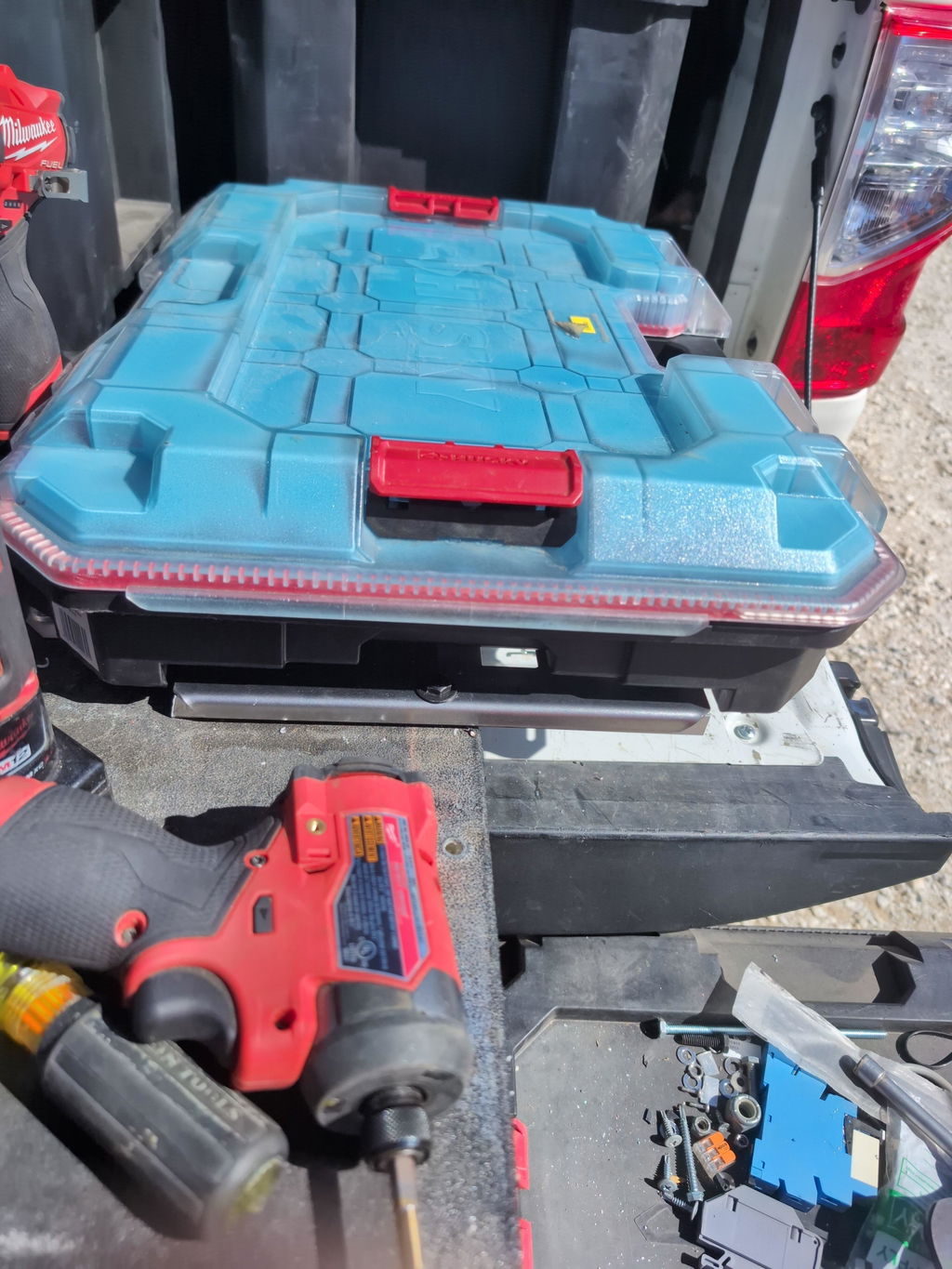
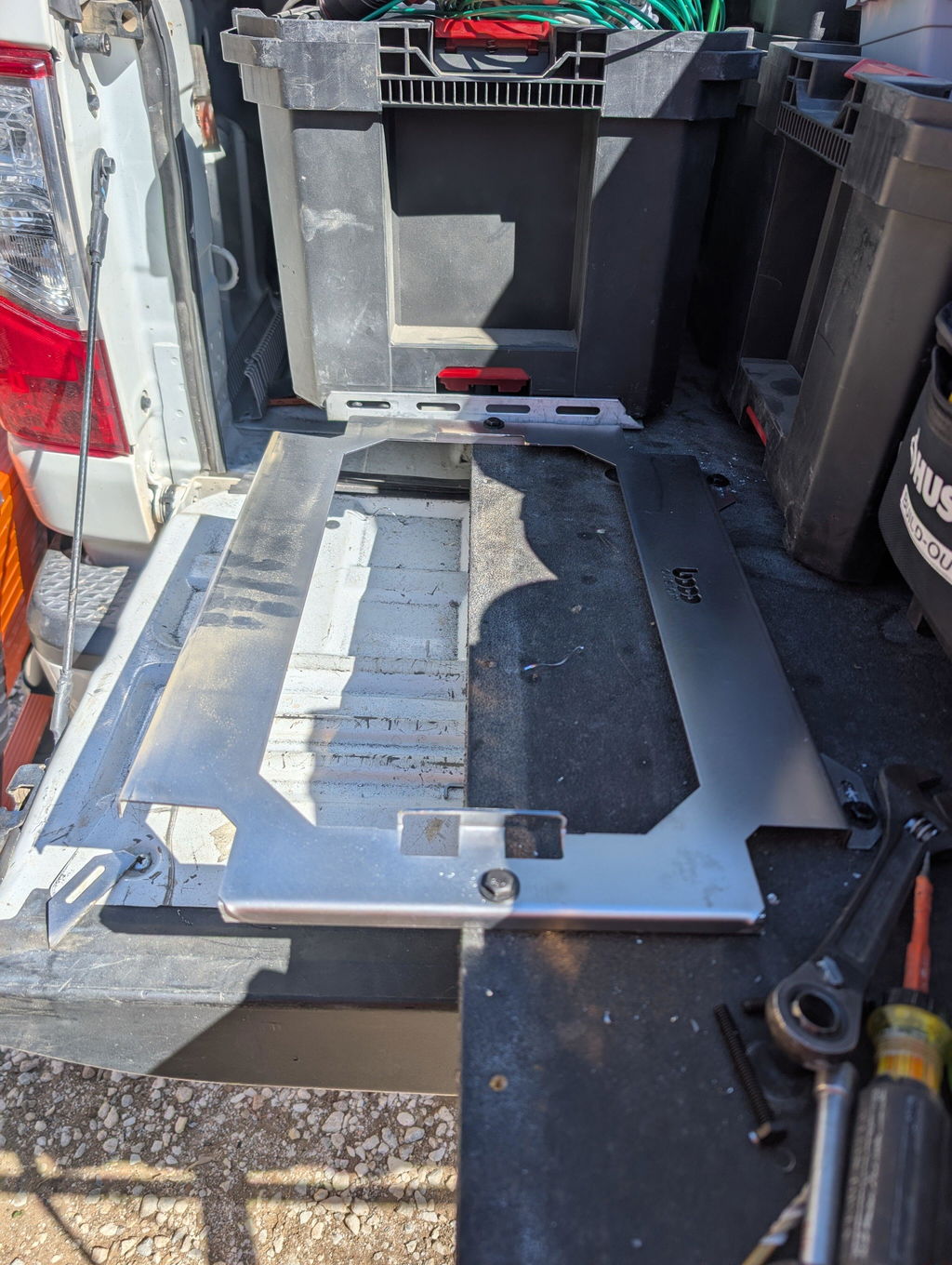
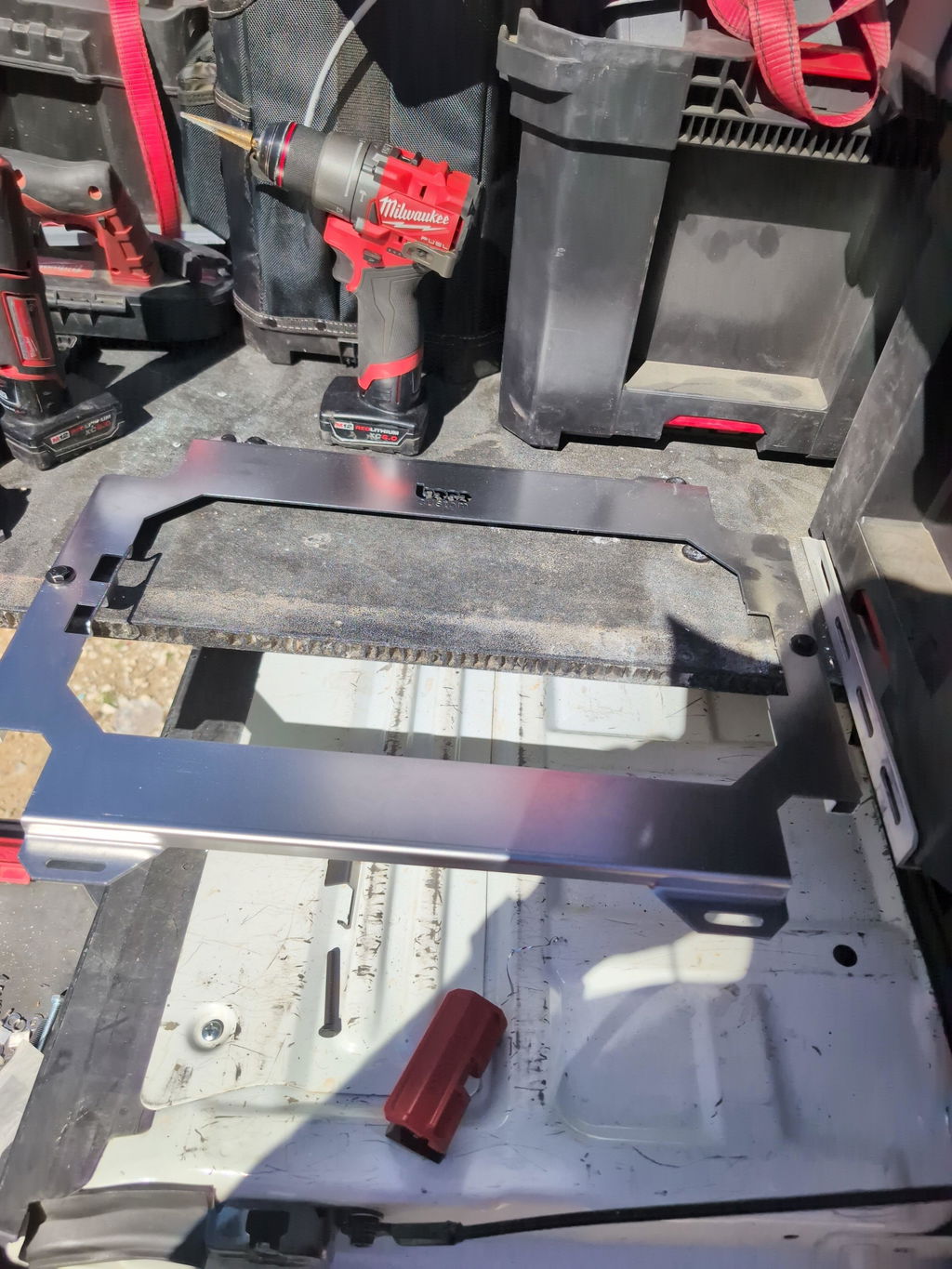
I like these, they are much more compact than what Milwaukee offers. I had them powder coated in silver vain and they look awesome. I love the bonus half rack they sent me. That’s the mark of a nice company.


Leave a comment