Steel vs. 3D Printed Mounts: Why Durability Matters for Tool Security
Introduction: The Critical Role of Mount Durability in Professional Tool Storage
If your workweek depends on arriving with the right tools ready to go, the mounts that hold them are more than accessories—they’re part of your safety, efficiency, and bottom line. In the field, on the road, and across jobsite transitions, mounting systems take repeated vibration, impacts, heat, and occasional misuse. When they fail, the damage isn’t limited to a broken bracket. You can lose tools, jeopardize schedules, and risk injury or liability.
Durability is the center of gravity in any secure equipment storage system. It influences how tightly your gear is retained, how much weight you can safely carry, and how well your vehicle or shop layout actually performs. For professional tradespeople using modular storage like Milwaukee Packout or Klein MODbox, the question is straightforward: what material gives you confidence day after day? Comparing steel mounting plates with 3D printed mounts is not simply about innovation versus tradition—it’s about the real-world demands of heavy-duty tool organization and why the strongest option is often the smartest option.
This article digs into steel mounting plates durability, the potential and limits of 3D printing, and the cost-benefit realities that separate hobby-grade solutions from professional tool mounting solutions. We’ll also outline how a manufacturer like Boco Custom approaches secure, low-profile, USA-made mounts and instant-download DXF fabrication files to help you organize with purpose.
Understanding Steel Mounting Plates: Construction and Advantages
Steel mounting plates are purpose-built for mechanical reliability. The construction is straightforward: laser-cut sheet steel (often 10-gauge to 14-gauge) shaped for precise alignment with storage systems, with hole patterns and reliefs engineered for load transfer and accessibility. The resulting mount serves as a rigid, low-profile intermediary between your storage system and the fixed structure—van shelving, shop wall, trailer bulkhead, or job box lid.
Key advantages include:
High structural stiffness: Steel’s modulus of elasticity is roughly 200 GPa, orders of magnitude greater than common plastics. That stiffness resists bending and deflection under dynamic loads.
Predictable, ductile behavior: Steel yields before it fractures, offering visible signs of overload rather than sudden failure, and allowing conservative safety factors in design.
Secure fastener interfaces: Threaded steel, rivnuts, and through-bolts clamp reliably. Steel’s hardness also resists hole elongation from vibration.
Thermal and chemical resilience: Steel tolerates sustained high temperatures and exposure to common jobsite chemicals better than most polymer materials.
Repairability: Bent steel can sometimes be straightened; paint or powder coat can be touched up; hardware can be replaced without degrading the base material.
Manufacturers like Boco Custom laser cut steel for precision, repeatability, and clean edges, minimizing stress concentrators. A low-profile form factor keeps protrusions minimal to prevent snagging and wasted space—an important consideration in service vehicles where every inch matters.
The Rise of 3D Printed Mounts: Promise and Limitations
3D printing has enabled a wave of imaginative accessories for popular tool systems. For jigs, quick prototypes, and lightweight, non-critical clips, it’s an efficient way to tailor storage to your workflow. Materials like PLA, PETG, ABS, nylon, and carbon-fiber-filled variants each bring different balances of rigidity, heat resistance, and ease of printing. For certain organization tasks—dividers, bit holders, label frames—printing makes sense.
However, mounting plates and load-bearing brackets face demands that expose additive manufacturing’s limits:
Layer adhesion: FDM prints are anisotropic; strength across layers is weaker than along them. Under shear or peel forces, internal lamination can separate.
Creep under sustained load: Many plastics deform over time when subjected to constant stress. This creep accelerates in heat—an issue inside vehicles that can exceed 160°F (71°C).
Heat sensitivity: Common filaments soften near or below vehicle interior temperatures (PLA ~60°C, PETG ~80°C). Even high-temp nylons require conservative design to avoid softening and warping.
Brittleness or notch sensitivity: Printed parts often fail at layer starts/stops and sharp corners, making them vulnerable under impact or vibration.
Fastener pull-through: Integrating metal inserts helps, but printed walls still need thickness and infill density to resist crushing and elongation.
The takeaway isn’t that 3D printed mounts are inherently poor—it’s that they’re usually better suited to light-duty organization and prototyping than to primary, load-bearing, professional tool mounting solutions. For day-in, day-out transport of heavy gear, the consequences of failure outweigh the benefits of rapid customization.
Load-Bearing Capacity: Steel's Superior Strength
Illustration 1
The most pragmatic comparison is load-bearing capacity under real conditions. In transit, tools experience dynamic loads: acceleration, braking, cornering, and road vibration. A 40 lb toolbox can exert well over its static weight during a panic stop or a pothole hit.
Consider a conservative example:
Tool case mass: 40 lb
Dynamic event: 3g (hard braking or impact)
Effective load: 120 lb acting on mounts and fasteners
Steel mounting plates distribute that load across a wider anchor area and resist bending with minimal deflection, keeping latch geometry aligned and preventing excessive stress on any single fastener. With steel, you can also use thinner, lower-profile plates (e.g., 10–14 gauge) without sacrificing structural integrity.
By contrast, plastic mounts must be significantly thicker to approach the same stiffness. Even then, creep or delamination at high-stress points can reduce performance over time. A printed bracket that survives initial testing may gradually lose clamping force as layers relax, especially in warm conditions, creating a false sense of security until it fails.
Practical design factors that favor steel include:
Shear and peel performance at fastener locations
Resistance to ovalizing around bolt holes under vibration
Ability to incorporate countersinks, slots, and reliefs without compromising base strength
Reliable engagement with OEM latches and rails, maintaining precise tolerances
For trades who routinely carry 50–100 lb cases, multiple drawers, or mounted power tools, the margin provided by steel is not just comforting—it’s necessary.
Long-Term Durability: How Steel Outperforms Plastic Materials
Durability is a function of time, environment, and use patterns. Steel outperforms plastics not only in ultimate strength, but also in its resistance to cumulative damage mechanisms in the field.
Where steel excels:
Heat and UV: Steel’s mechanical properties remain stable at temperatures where many plastics soften. While steel can heat cycle, it does not creep, warp, or embrittle from sunlight the way many polymers do.
Abrasion and wear: Repeated contact with case latches, rails, and metal fasteners causes minimal wear. Plastics can groove and shed material, changing fit over time.
Chemical exposure: Oils, fuels, cleaners, and solvents may swell or weaken plastics. Steel is more tolerant, especially with protective coatings.
Vibration fatigue: Steel’s fatigue life, especially with generous radii and proper mounting, far exceeds that of printed polymers with internal voids and layer boundaries.
Appropriate finishes—powder coat, e-coat, paint, or stainless options—mitigate corrosion. In many applications, a well-finished steel plate can operate for years with only basic inspections. When plastic mounts degrade, failure tends to be abrupt: a crack at a screw boss, a snapped tab, or delaminated layer. Steel typically gives warning via minor bending or loosening hardware, letting you intervene before catastrophic loss.
In short, the long-term picture supports steel mounting plates durability for secure equipment storage systems, especially in vehicles or outdoor environments where heat, UV, and vibration converge.
Cost-Benefit Analysis: Investment in Quality Tool Mounts
Upfront, a steel plate often costs more than a home-printed bracket. But the economics of professional tool transport are driven by total cost of ownership.
Direct and indirect costs to weigh:
Replacement frequency: A printed part that needs seasonal replacement costs time and materials—not to mention re-installation and revalidation.
Downtime: A failed mount mid-route delays jobs. The labor cost of a missed service window can dwarf the price difference between materials.
Tool damage: If a case or rack breaks loose, you might face repairs or replacements of tools worth hundreds or thousands of dollars.
Vehicle damage: Loose gear can dent panels, crack windows, or damage interiors, adding repair costs and potential insurance implications.
Liability exposure: If a mount fails and causes injury or traffic hazards, costs escalate quickly.
Illustration 2
Conversely, the investment in steel translates to:
Multi-year service life with minimal maintenance
Predictable, safe handling under varied load scenarios
Compatibility with tamper-proof fasteners or locks for added security
Peace of mind that enables faster loading/unloading routines and standardized crew practices
For fabricators, there’s a middle path: instant-download DXF files allow you to cut reliable patterns in-house from steel or aluminum. Boco Custom offers DXF packages designed around major tool systems, so you can leverage your own material stock and finishing processes while achieving professional-grade performance.
Real-World Applications: Professional Tradespeople's Experience
Different trades place different stresses on mounts. Here’s how the material choice plays out across common scenarios:
Service electricians: Daily removals of fully loaded modular cases and meters stress latch interfaces and fastener locations. Steel plates keep alignment consistent, helping avoid partial engagements that cause racks to pop loose on the road. In fleets, standardizing on steel ensures predictable fit across vehicles.
HVAC technicians: Bulky and heavy cases—press tools, recovery machines, diagnostic equipment—generate high center-of-gravity loads. Steel spreads stress into the mounting substrate and reduces flex that can cause rattling or latch wear.
Utility and linemen: Outdoor exposure, dust, and temperature swings are constant. UV and heat undermine plastic performance; steel maintains dimensional stability and clamping force season after season.
Finish carpenters and cabinet installers: Even when loads are lighter, precision matters. Steel’s rigidity prevents the slow “sag” that throws off carefully organized layouts, preserving an efficient, repeatable setup.
Mobile fabricators: Welding consumables, grinders, and fixtures demand mounts that laugh off sparks, grit, and vibration. Steel is inherently fire-resistant and abrasion-tolerant compared to polymers.
Practitioners who initially try 3D printed brackets often reserve printing for accessories—labels, bit rails, and organizers—while moving core mounting plates to steel after experiencing early wear, softening in summer heat, or unexpected breakage during hard stops. The lesson tends to be the same: save printing for low-risk storage; choose steel for anything that carries real weight or consequences.
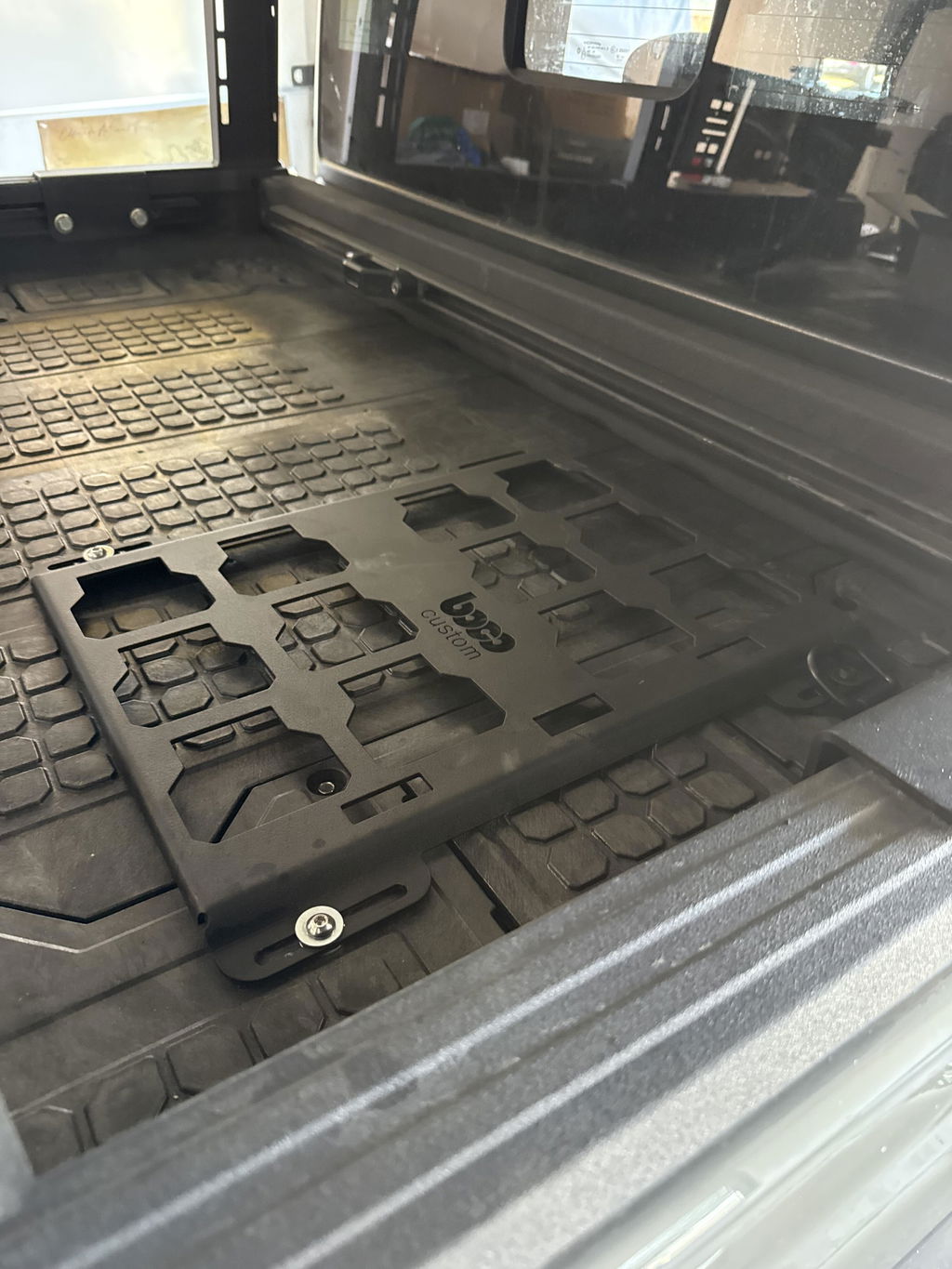
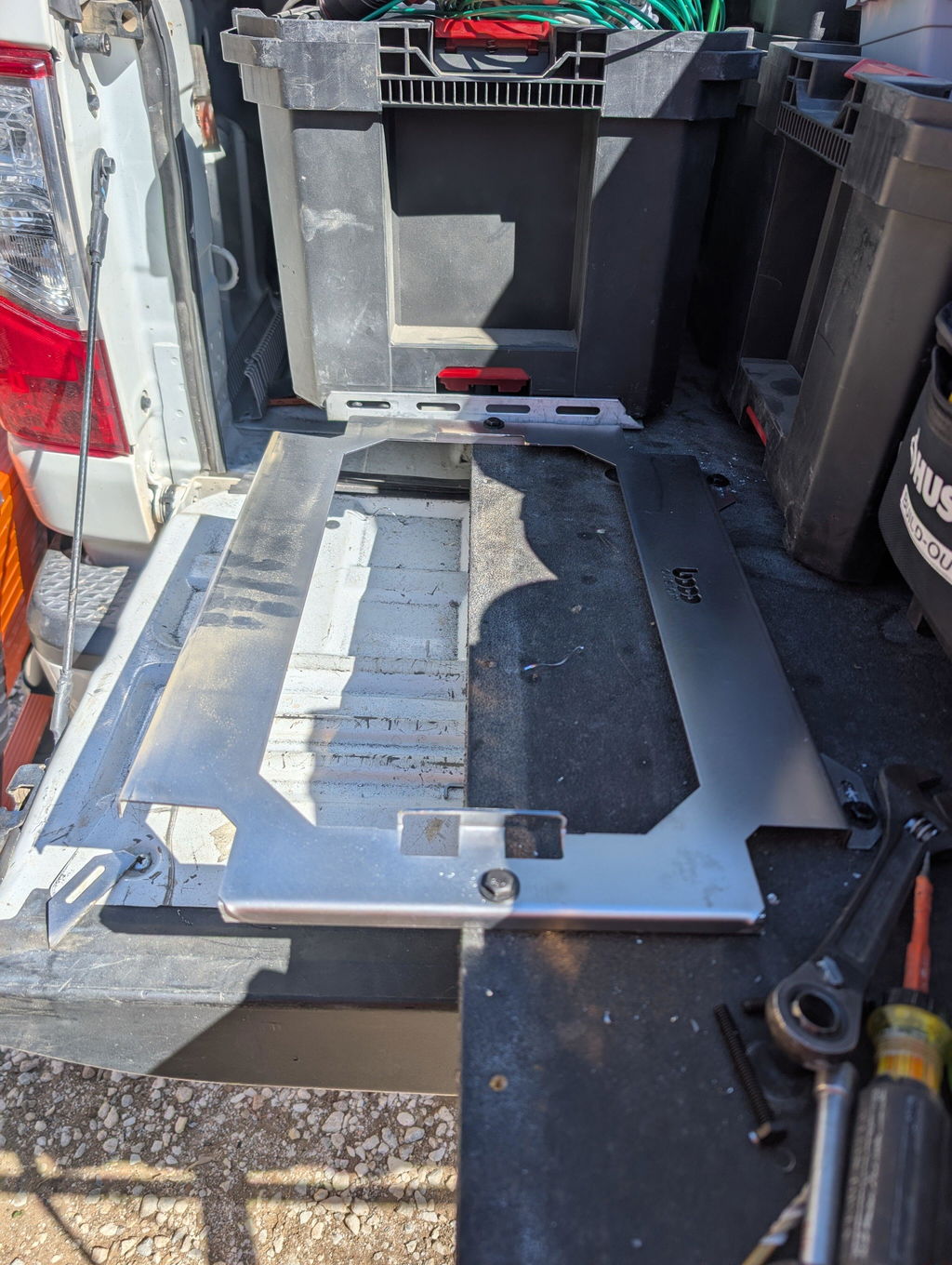
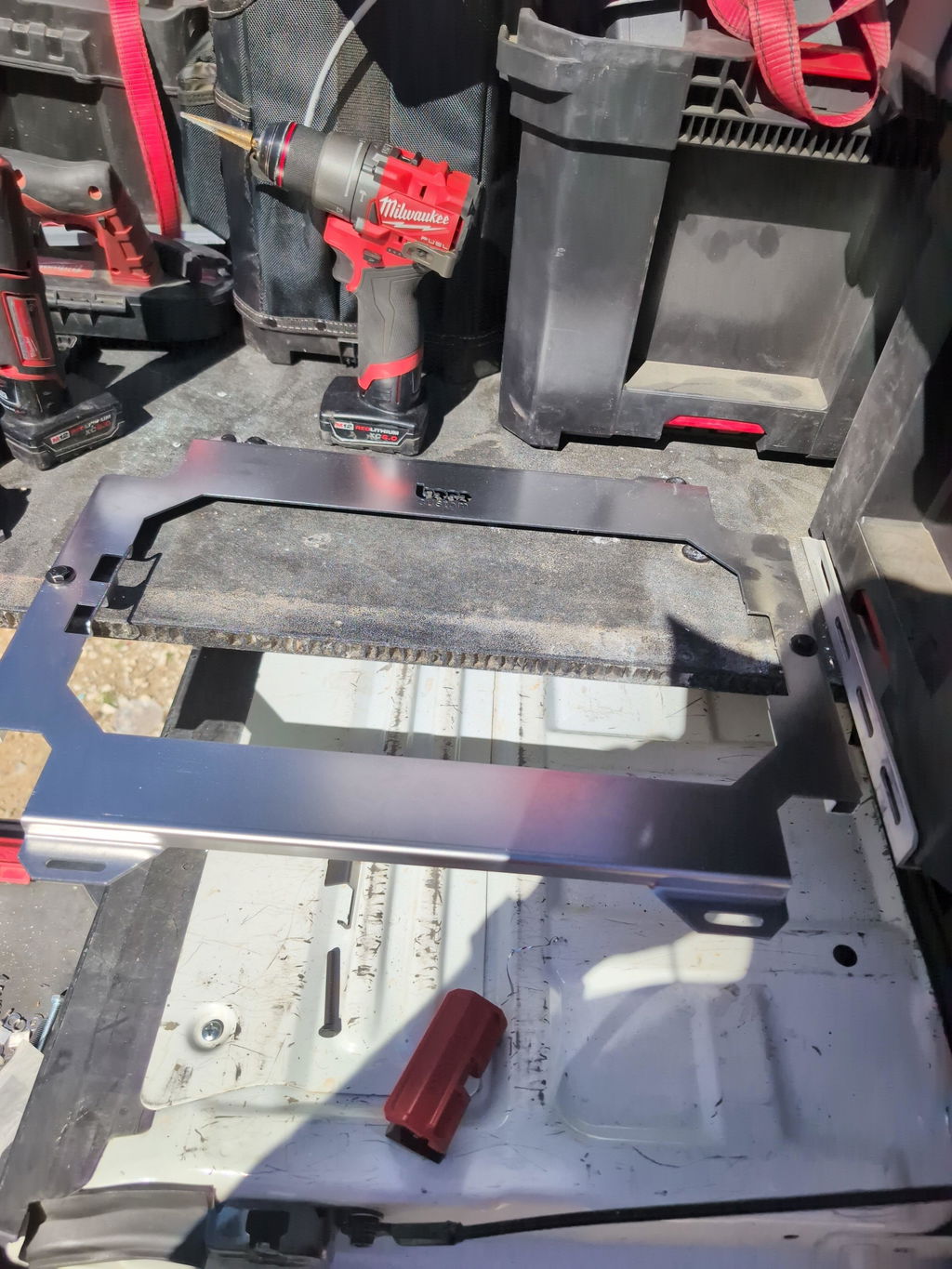
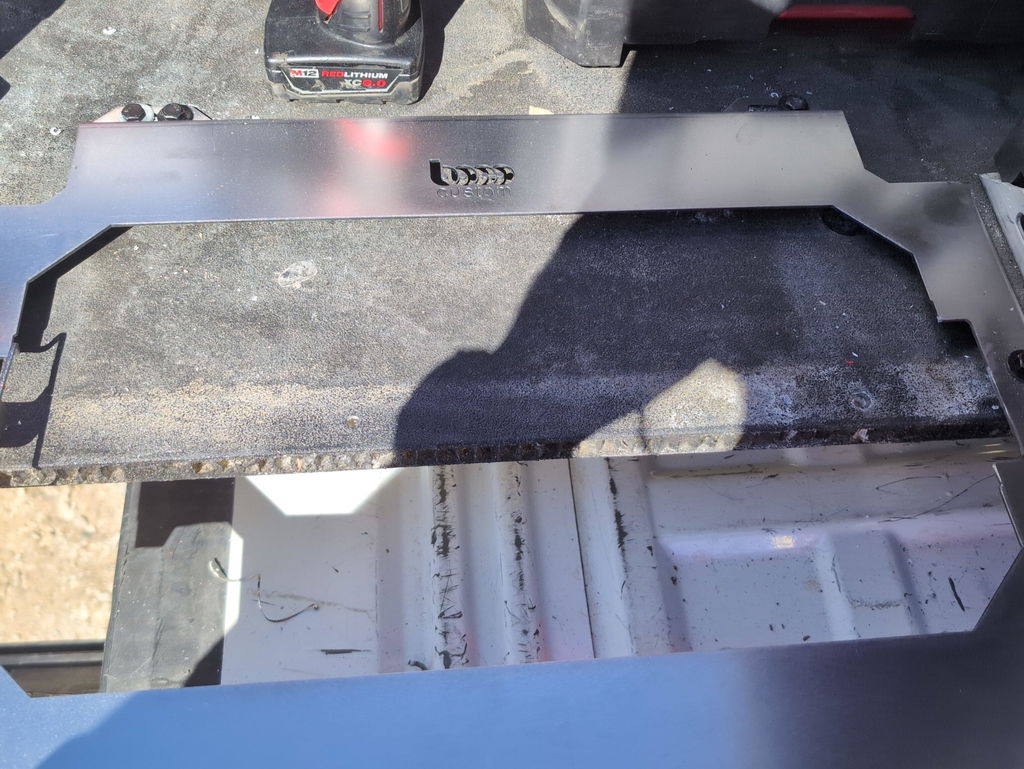
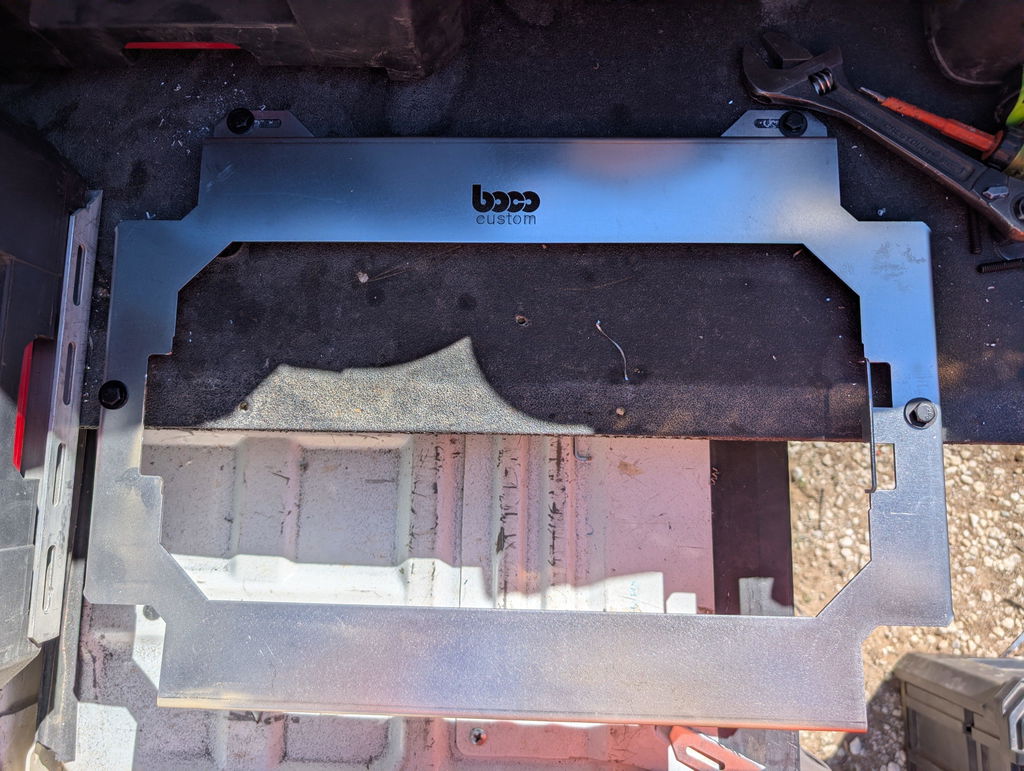
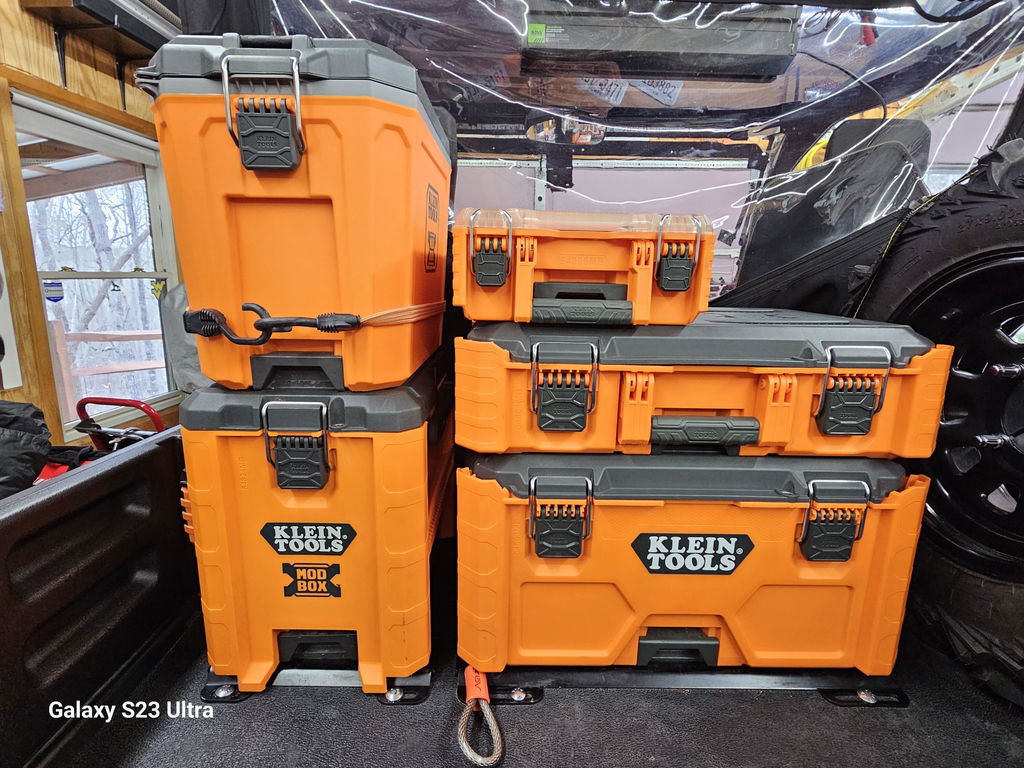
For example, low-profile, full-width steel plates purpose-built for established systems help pros balance footprint and security. Boco Custom’s Klein MODbox mounting plate exemplifies a reversible, heavy-duty 10-gauge solution that supports a clean, consistent layout without adding bulk.
Safety and Liability Considerations for Tool Security
Mounts are not just convenience items; they are part of a safety system. A sudden stop can turn unsecured mass into a projectile. In company vehicles, the standards you choose affect not only your crew's well-being but also your organization’s risk profile.
Key considerations:
Cargo securement expectations: While service vans and pickups may not be subject to the same cargo rules as commercial carriers, the spirit is the same: gear must be reliably restrained under expected driving conditions.
Predictable failure modes: Steel’s ductile characteristics and stable clamping under heat help avoid sudden, brittle breakage. When failure is predictable, you can design for it—and prevent it.
Insurance and incident review: In the wake of an accident, professionally fabricated, heavy-duty tool organization can demonstrate due diligence. Home-printed mounts may not satisfy internal safety audits.
Tamper resistance: Steel plates support security fasteners and integrated lock features. For high-value tools, steel-based locking solutions slow theft and discourage opportunistic grabs.
Crew training: A uniform system built on steel mounting plates withstands daily use and minor misuse, making it easier to train teams to load, latch, verify, and go.
Selecting mounts with documented materials, hardware specs, and installation guidance supports a defensible safety posture. Durable tool storage mounts reduce variables, and fewer variables mean fewer surprises.
Maintenance and Longevity: Steel Mounting Solutions
Even the toughest mounts benefit from simple upkeep. Steel plates make maintenance straightforward, inexpensive, and predictable.
Recommended practices:
Torque checks: Re-torque mounting hardware after initial run-in (e.g., after the first week), then at set intervals aligned with oil changes or quarterly inspections.
Visual inspections: Look for chipped coatings, surface rust, or signs of impact. Address paint touch-ups promptly to maintain corrosion resistance.
Latch alignments: Confirm that modular system latches engage fully without binding. A rigid plate keeps geometry true; if engagement feels off, inspect for loose fasteners or substrate changes.
Cleaning: Remove grit and debris that can abrade contact surfaces. Mild cleaners won’t harm steel or coatings; avoid harsh solvents on surrounding plastics.
Hardware upgrades: Where vibration is intense, consider nyloc nuts, threadlocker, or serrated flange nuts to maintain clamp load.
Illustration 3
Well-made steel plates run quietly and consistently for years with this level of attention. By contrast, plastic mounts typically require more frequent replacement and can conceal wear until late in their lifespan, multiplying maintenance surprises.
Customization Options: Balancing Durability with Design Flexibility
Durability doesn’t mean rigid layouts. Steel can be as flexible as your workflow demands when designed with modularity and field service in mind.
Options that bring the best of both worlds:
Slotted and reversible patterns: One plate can serve multiple configurations, adapt to left/right orientations, or accommodate evolving tool kits.
Material selection: Choose from 10-gauge steel for maximum stiffness or lighter 14-gauge in low-stress contexts. Aluminum can reduce weight where corrosion resistance and moderate loads align.
Surface finishes: Powder coat for abrasion and chip resistance; stainless for corrosive environments; or custom branding with cut-through logos where appropriate.
Low-profile geometry: Keep handles, pass-throughs, and tie-downs accessible while minimizing protrusions that waste space or snag materials.
DXF-based fabrication: For shops with laser or waterjet capability, instant-download DXFs let you produce robust plates in-house, dial in hole sizes for your hardware standard, and iterate confidently without losing strength.
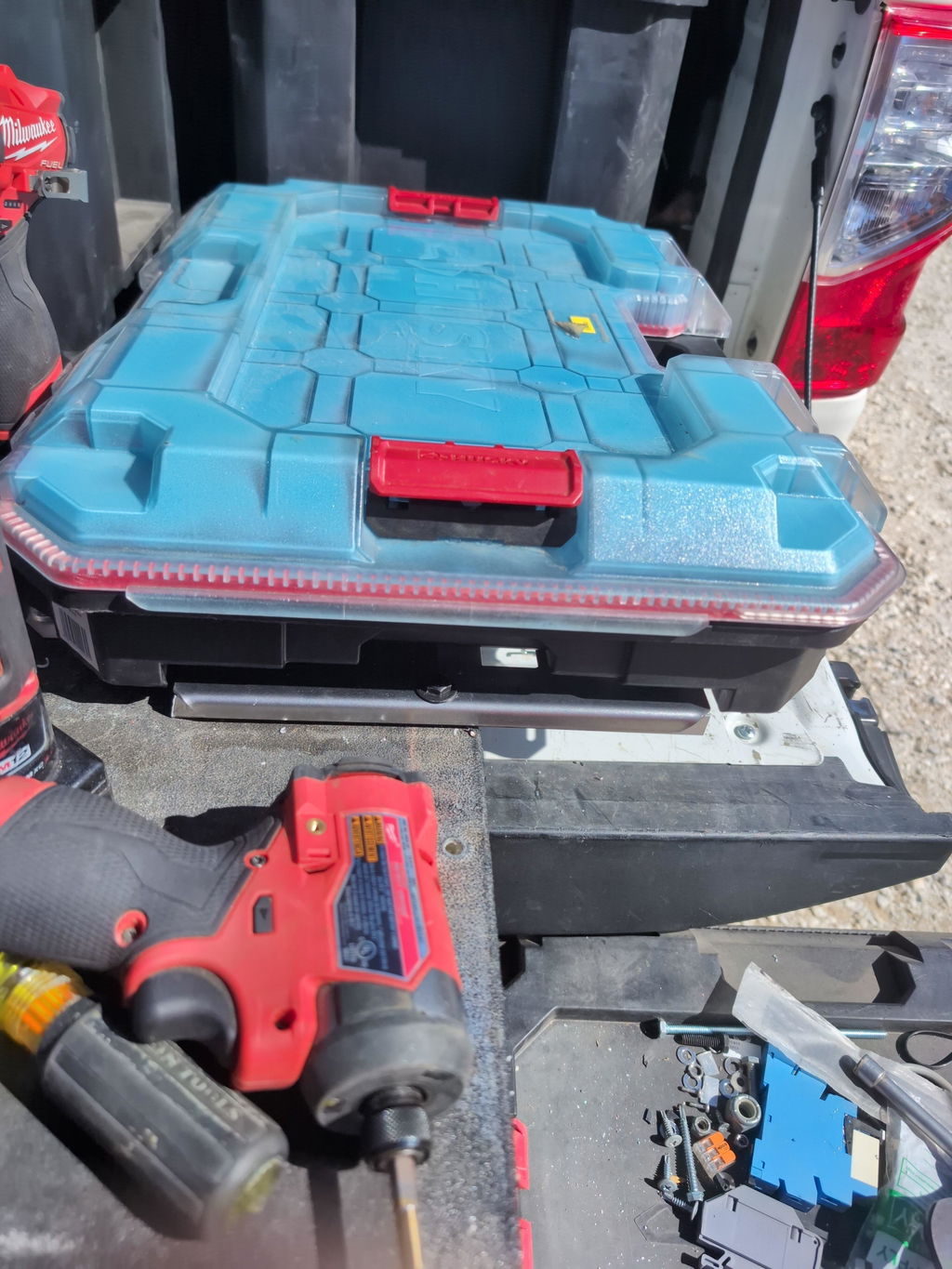
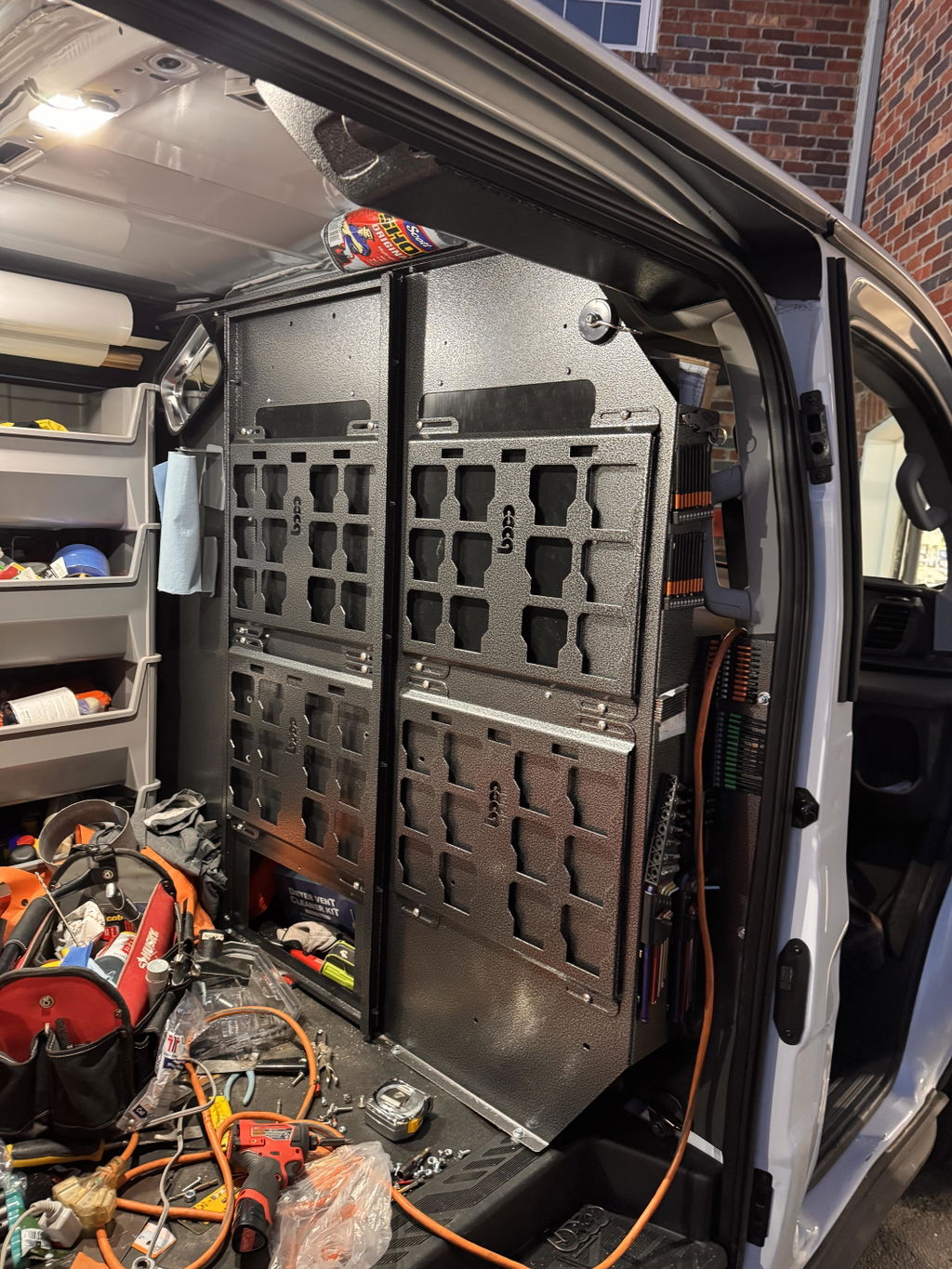
Boco Custom engages both ends of this spectrum: off-the-shelf heavy-duty plates sized for major systems and downloadable DXFs for fabricators who need immediate control. For lighter-duty scenarios—say, a bulk pack of lighter-gauge accessories—steel still provides a better baseline than printed plastics, as seen in solutions like Boco’s Milwaukee Packout mounting plate that align to common setups without unnecessary bulk.
Making the Right Choice for Your Tool Storage System
When choosing between 3D printed and steel mounts, match the material to the mission:
Choose 3D printing when:
The component is non-structural: labels, dividers, bit organizers, accessory clips.
You’re prototyping a workflow: testing spacing, reach, or labeling before committing to metal.
The environment is mild: climate-controlled shops without heavy vibration or heat exposure.
You accept a shorter service life in exchange for fast iteration.
Choose steel when:
Loads are significant: heavy cases, power tools, batteries, diagnostic equipment.
The mount is primary: if failure would send gear loose in a vehicle or onto a shop floor.
Temperatures vary: vehicles, outdoor trailers, or shops without HVAC.
Vibration is constant: regular highway travel, gravel roads, or off-pavement access.
You need professional reliability: predictable engagement, secure fastening, and defensible safety.
Also consider hybrid approaches. Use 3D printing to explore layout concepts, then translate successful designs to steel via DXF for a permanent solution. If you require branded or aesthetic elements, add acrylic or wood accents to a steel foundation. Boco Custom’s laser cutting in steel, aluminum, acrylic, and wood supports this kind of layered, practical customization without compromising core strength.
Conclusion: Prioritizing Durability for Professional Success
In professional tool storage, durability isn’t an upgrade; it’s an operating requirement. Steel mounting plates durability translates into safer transports, fewer surprises, and higher productivity. While 3D printed mounts shine for lightweight accessories and rapid iteration, the heavy lifting—literally and figuratively—belongs to steel.
For tradespeople who rely on Milwaukee Packout, Klein MODbox, and similar systems, heavy-duty tool organization starts with a rigid, low-profile, and secure base. Steel’s superior load-bearing capacity, long-term resilience to heat and vibration, and predictable maintenance profile make it the most reliable choice for professional tool mounting solutions. And when you need flexibility, downloadable DXFs and custom laser-cut fabrication let you keep that reliability while tailoring layouts to your exact workflow.
Boco Custom builds to that reality: USA-made, laser-cut, low-profile steel plates and instant-download DXF files designed for secure equipment storage systems—solutions engineered not to fail. When your tools, schedule, and safety are on the line, choose the material that’s proven to carry the load.
Standard shipping takes 5 to 7 business days. Express (2 to 3 days) and overnight options are available at checkout. Orders over $50 ship free.
Can I order online and pick up in store?
Yes. Select "Pick up in store" at checkout and choose your nearest location. Most orders are ready within 2 hours.
What if my order arrives damaged?
Contact us within 7 days of delivery with your order number and a photo. We'll arrange a replacement or refund, no return shipping required.
AI-Generated Content Disclosure
This blog post was created with the assistance of RankGPT, an AI-powered tool designed to generate high-quality, SEO-optimized content at scale.
As a small business embracing modern technology, we use AI to help us:
Produce informative articles more efficiently
Increase our online visibility through better performance in traditional search engines (like Google) as well as emerging AI-powered searches and answer engines
Reach more potential customers and grow our presence in a competitive digital landscape
By leveraging tools like RankGPT, we're able to publish valuable content more consistently and scale our efforts in ways that would otherwise take significantly more time and resources.
Important notes for readers:
While RankGPT helps create well-structured and relevant content based on current best practices, AI-generated posts are not always 100% accurate, complete, or free from errors.
The information, opinions, and perspectives expressed may not fully reflect the exact views, experiences, or official positions of Boco Custom, its team members, or the individuals involved in our business.
AI content should be viewed as a starting point or general resource—not as personalized professional advice, definitive facts, or a substitute for direct consultation with us or qualified experts.
We always recommend verifying important details independently, especially for decisions related to custom products, services, or any business matters.
We are committed to transparency and continually work to improve our content. If you have questions, feedback, or spot any inaccuracies, please reach out—we genuinely appreciate it!
Not only is this way overbuilt for the price with its solid, confident craftsmanship, I am completely convinced that these guys are the best around when it comes to the packout platform.
I like these, they are much more compact than what Milwaukee offers. I had them powder coated in silver vain and they look awesome. I love the bonus half rack they sent me. That’s the mark of a nice company.


Leave a comment