USA Steel vs Imported Materials for Milwaukee Packout Mounting Plates
Introduction: The Critical Role of Material Selection in Tool Mount Reliability
For professional tradespeople, the reliability of Milwaukee Packout mounting plates isn’t an accessory-level concern—it is fundamental to safety, workflow efficiency, and the protection of high‑value tools. Mounts live at the intersection of constant movement, high loads, vibration, and weather. They must be low-profile to conserve space, rigid enough to resist bending and creep, and precise enough to engage Packout cleats without slop or jamming. That performance is driven first and foremost by material selection and the quality of fabrication behind it.
In service vehicles, trailers, and job boxes, loads rarely remain static. Braking, cornering, off‑road travel, and daily handling introduce dynamic forces that multiply stress on brackets, fasteners, and slot geometries. When materials underperform—through inconsistent strength, thin gauges, poor coating adhesion, or imprecise cutting—the result can be rattles, deformation, premature wear, or outright failure. Choosing between USA-made steel and imported alternatives for tool storage mounting solutions isn’t just a cost decision; it defines how the system behaves under real‑world abuse.
Boco Custom manufactures heavy‑duty, low‑profile Packout mounting solutions and also supplies instant‑download DXF files for fabricators who prefer to build in‑house. Whether you buy finished plates or cut your own, the material you start with sets the ceiling on load capacity, fatigue life, and long‑term value. Understanding the differences between domestic steel and imported options helps you spec mounts that match the demands of your trade.
Overview of USA-Made Steel for Packout Mounts
USA-made steel commonly used for mounting plates comes from mills that document chemistry and mechanical properties under ASTM and SAE standards. For flat plate components, fabricators often start with hot‑rolled pickled and oiled (HRPO) plate or cold‑rolled sheet meeting specifications like ASTM A1011 or A1008. Typical choices for Milwaukee Packout mounting plates include 10‑gauge (about 0.1345 inches) and 12‑gauge (about 0.105 inches) steel, with 3/16‑inch plate reserved for extreme-duty applications. These gauges balance stiffness, weight, and fit within a low-profile envelope.
Consistency is the hallmark of domestic steel supply. Heats are traceable, dimensional tolerances are predictable, and flatness is maintained within known ranges, which matters for latch engagement and plate-to-surface interface. Domestic steel generally carries reliable yield strengths (for example, 36–50 ksi depending on grade), with elongation values that protect against brittle failure at edges and slots. For mounts that rely on precisely cut Packout interface geometries, predictable elongation and toughness reduce the risk of tearing at stress concentrators.
Fabrication quality pairs with material stability. Laser cutting in the United States is standard for heavy‑duty steel fabrication, producing clean kerfs and accurate slot profiles that lock into Packout feet securely. Deburring, countersinking, and PEM hardware installation are completed under controlled processes. Powder coat finishes are typically applied over phosphate or zirconium pretreatments, producing uniform coverage and corrosion resistance. The result is a low‑profile, secure design that tolerates abuse in vehicles, on walls, or in boxes without losing fit or finish.
Boco Custom’s approach reflects this domestic baseline: laser‑cut steel and aluminum components, verified fits to modular tool system accessories, and durable finishes designed not to fail under trade‑site conditions. When specifying or fabricating your own mounts via DXF files, beginning with domestic steel is the most direct way to replicate that reliability.
Overview of Imported Materials and Cost-Driven Alternatives
Imported materials encompass a broad spectrum: offshore mild steel of varying grades, low‑alloy steels without detailed mill certifications, and cost‑driven substitutions like thinner gauge steel or aluminum. While many overseas mills produce high‑quality stock, the challenge for end users is consistency and traceability. In value‑engineered mounting plates, common cost levers include selecting thinner steel, omitting post‑cut deburring, and applying simpler coatings with less robust surface pretreatment.
Lower‑cost plates may be stamped rather than laser‑cut, which can produce distortions around slot features and introduce springback that complicates Packout engagement. Dimensional drift—even fractions of a millimeter—can translate into too-tight latches that wear prematurely or too‑loose interfaces that rattle in transit. If the steel’s chemistry or temper varies from batch to batch, fabricators may find that one run forms and drills cleanly while the next exhibits edge chipping or accelerated tool wear, adding hidden costs downstream.
Alternative materials include aluminum and composite panels. Aluminum reduces weight and can work well when thickness is increased to counter lower modulus, and when wear interfaces are reinforced. However, for low‑profile mounting brackets intended for heavy-duty loads in mobile environments, thin aluminum plates risk deformation and latch ovalization unless carefully engineered. Composites and plastics can be light and resist corrosion, but they require metal reinforcement at high‑stress points to handle dynamic loads without creep or cracking. Many imported, budget‑focused plates skip those reinforcements to meet price targets.
In short, imported materials can be serviceable for light-duty or stationary setups, but a cost‑driven bill of materials leaves less margin for real-world variability—vibration, temperature swings, salt exposure, and repeated load cycles that professional tool organization systems face every day.
Illustration 1
Material Durability Comparison: USA Steel vs Imported Options
Durability is a combination of base metal strength, ductility, fatigue resistance, and corrosion performance under coating systems. Domestic steels used for mounting plates typically offer:
Stable yield/tensile ranges aligned to ASTM grades, reducing surprises during forming and under load.
Consistent elongation (ductility) that allows localized bending without cracking, especially at narrow slots and countersinks.
Predictable thickness and flatness that help distribute stress evenly across mounting holes and Packout interface features.
Imported or budget steels can meet similar nominal strengths on paper but may show more variability heat‑to‑heat. In practical terms, that means one plate might bend cleanly while the next micro-cracks at edges, especially after laser cutting concentrates heat in tight geometries. Variability shows up fastest in fatigue: small geometry differences combined with lower ductility increase the risk of crack initiation where Packout cleats engage or where fasteners clamp plates to vans, trailers, or carts.
Corrosion resistance is another differentiator. Coating systems perform best over properly pretreated metal with known surface chemistry. Powder coat applied over domestic HRPO or blasted cold‑rolled steel—after phosphate or zirconium conversion—tends to adhere firmly, resist chipping, and maintain barrier protection. Lower-cost plates often receive thinner powder or e‑coat layers with minimal pretreatment, which can lead to underfilm rust creep once chips occur. In northern climates, salt and de‑icers accelerate this process around edges and slots, eventually compromising hole integrity and clamp force.
Thickness matters as well. A 10‑gauge domestic plate resists localized deformation and wear better than a thin imported alternative. Even when both pieces begin life with acceptable fit, the thinner plate may experience ovalization at latch contact points after repeated cycles, turning a secure lock‑in into a loose rattle. Over time, that wear propagates to fasteners and vehicle mounting surfaces, multiplying maintenance needs.
Comparing Load-Bearing Capacity and Safety Standards
“Capacity” for Milwaukee Packout mounting plates is more than a static number printed on a spec sheet. Static load tells only part of the story; dynamic loads—braking, potholes, loading ramps—can multiply forces by 2x to 5x for brief intervals. Quality mount designs consider:
Bending stiffness across the plate span to minimize deflection.
Tear‑out strength at slots and holes, governed by edge distance, thickness, and ductility.
Fastener pull‑through resistance and clamp force retention over time.
Latch interface geometry that avoids point loads and distributes stress across the Packout cleats.
There is no single universal safety standard written specifically for Packout plates, but responsible manufacturers adopt internal proof‑load and cyclic testing. Practical shop tests include incremental static loading, impact drop tests for boxed loads, and vibration exposure on vehicle test rigs. The goal is to validate a safety factor over intended service loads—often in the 2:1 to 4:1 range, depending on application and mounting orientation—so unexpected spikes don’t translate to failure.
USA steel provides a stable platform for matching design assumptions to real behavior. With imported, cost‑driven materials, even a design that looks similar may deliver lower real‑world capacity because of lower thickness, uneven flatness, or inconsistent slot quality. Failure modes to watch include:
Progressive bending leading to latch misalignment.
Fastener hole elongation and “keyholing.”
Edge cracking starting at laser-cut corners with small radii.
Coating delamination leading to corrosion and eventual loss of cross‑section.
When assessing any plate—domestic or imported—look for explicit proof‑load information, clarity about material thickness and grade, and visible evidence of precision around the Packout interface. For high-duty work trucks, wall installations over benches, and mobile carts that see daily transport, the safety margin offered by domestic steel in heavier gauges tends to be the difference between set‑and‑forget and constant re‑tightening.
Cost Analysis: Initial Investment vs Long-Term Value
Budget constraints are real on every job. But the total cost of ownership for tool storage mounting solutions extends well beyond purchase price. Consider:
Illustration 2
Downtime and disruption: A failed plate can sideline a crew, scatter tools, or force an emergency reroute back to the shop.
Damage to tools: Even one toppled kit can exceed the cost difference between a domestic and a budget mount.
Vehicle and surface repairs: Bent sheet metal, ripped wall panels, and torn fasteners add labor and materials.
Replacement cycles: Lower‑cost imports may require more frequent replacement, especially in salt‑heavy regions.
Domestic plates built from USA steel often carry higher initial costs because of material, finishing, and labor. Yet they reduce “surprise spend” by maintaining fit, resisting corrosion, and holding capacity over thousands of cycles. When a plate is part of a van buildout with modular tool system accessories across every surface, the multiplier effect is significant: reliability in each bracket prevents cascading damage in adjacent storage.
There are also logistics savings to consider. USA‑made products typically ship faster domestically and offer easier returns or adjustments if a build requires a tweak. Local pickup options eliminate freight for nearby teams and make last‑minute additions practical. For shops that fabricate in‑house, instant‑download DXF files from a trusted source let you cut precisely what you need on your own laser or waterjet, using the steel you already buy in volume. That flexibility tightens project timelines while keeping quality in your control.
When you amortize a mount’s cost across years of daily service—and account for the avoided headaches—domestic steel plates are often the lowest‑risk, highest‑value line item in the entire storage system.
Manufacturing Quality and Precision in Domestic vs Overseas Production
Material is the starting point; manufacturing is where quality becomes tangible. Domestic producers of Milwaukee Packout mounting plates commonly rely on fiber lasers and modern press equipment to hit tight tolerances. In practical terms, that means:
Slot geometry repeatability: Clean, burr‑free edges that mate with Packout cleats consistently across every production run.
Flatness control: Plates that sit flush on van walls, floors, and carts without shimming.
Tolerance stacking: Hole patterns that align with fasteners, threaded inserts, and vehicle ribs without forcing or drift.
Edge finishing: Deburred edges prevent coating holidays and reduce injury risk during install.
Imported options can be perfectly serviceable, but cost‑optimization often trims these steps. Stamping can introduce warp. Untreated edges can cut installers and chip powder coat during mounting. Hole‑to‑slot misalignment forces installers to bend the plate into place, pre‑loading stress that shortens life. These issues compound in high‑density builds, where a small variance in one plate can telegraph through a row of brackets.
Precision matters especially at the Packout interface. If the latch features are undersized, expect overly tight insertion and accelerated wear on both the plate and the Packout base. If they’re oversized, experienced pros will notice rattle within days. Laser‑cutting accuracy and consistent kerf offsets solve these headaches, which is why many tradespeople prefer USA‑made, laser‑cut plates from shops that specialize in heavy‑duty steel fabrication.
If you want a benchmark for what precision looks like in practice, review a specialist’s lineup of Milwaukee Packout plates. Look for clear material specs, finish options, and application notes. Products designed and cut in the U.S. are more likely to disclose those details and support custom requests without long delays.
Real-World Performance in Professional Trade Environments
On paper, most mounts look similar. On site, differences appear within a week. Consider common scenarios:
Electrical and low‑voltage crews: Morning load‑outs and afternoon resets mean constant insertions and removals. Plates see high cycle counts. Lower‑quality slots ovalize and start to buzz, while robust plates maintain a positive click‑in.
HVAC and plumbing: Heavier kits and bulkier fixtures push against plates during braking. Domestic 10‑gauge plates resist flex that could misalign rows or shift clearances around doors and drawers.
Carpentry and finish work: Dust infiltration challenges coating adhesion. A properly pretreated powder coat sheds debris and cleans easily, preventing grit from grinding into latch points.
Utility and lineman rigs: Off‑road driving and pole access sites deliver brutal impact loads. Any looseness compounds, and coating failures invite rust in days. Heavy‑duty domestic steel with strong pretreatment resists both vibration and corrosion.
Environmental factors also tell. In coastal zones, salt air penetrates any pinhole. In northern winters, brine saturates floors and tool bases. A tight coating over clean, consistent steel preserves the plate’s edges where failure often begins. Precision mounting patterns minimize installers’ need to over‑torque or elongate holes—a common starting point for corrosion and cracking.
Feedback loops are faster with domestic suppliers. If a field team reports rubbing at a particular Packout model or interference with a vehicle rib, U.S. fabricators can update a DXF and prototype a revision quickly. Boco Custom’s ability to laser cut steel, aluminum, acrylic, and wood—and to share instant‑download files—compresses that iteration cycle. Over months and years, that responsiveness adds up to quieter builds, fewer service calls, and safer transport.
Illustration 3
Pros and Cons of USA Steel Mounting Solutions
Pros
Consistent mechanical properties and traceability under ASTM/SAE standards.
Tight laser‑cut tolerances for Packout interfaces; reduced rattle and wear.
Durable powder coat over robust pretreatments; better corrosion resistance.
Higher load capacity in the same low‑profile envelope due to thicker gauges and better ductility.
Faster lead times, local pickup options, and easier support for customizations.
Lower total cost of ownership through fewer failures and replacements.
Cons
Higher initial purchase price.
Slightly heavier than aluminum or thin‑gauge imports.
Availability may be limited during spikes in domestic demand, requiring early planning for large fleet rollouts.
Pros and Cons of Imported Material Alternatives
Pros
Lower upfront cost, attractive for one‑off or light‑duty applications.
Lightweight options available when using thin steel or aluminum.
Adequate performance for stationary installs or low‑cycle environments.
Cons
Greater variability in thickness, flatness, and mechanical properties.
Increased risk of slot distortion, rattle, or latch wear due to looser tolerances.
Coating systems may chip and corrode faster, especially at edges and holes.
Shorter service life under vibration and dynamic loading.
Potential hidden costs: rework during install, more frequent replacements, and tool damage from unexpected failures.
Why Professional Tradespeople Choose Domestic Materials
Professionals weigh risk on every purchase. For critical interfaces—like the plates that anchor modular tool system accessories to vans, trailers, and shop walls—the calculus favors domestic materials for several reasons:
Predictability: USA steel delivers the same behavior lot after lot, letting teams standardize mounts across vehicles and crews without constant adjustment.
Accountability: Domestic manufacturers stand behind material certifications, tolerances, and finishes. When something needs fine‑tuning, you get solutions, not guesswork.
Load and safety margins: Heavier gauges and known ductility preserve capacity under dynamic loads. That safety margin is not theoretical when a 70‑lb kit meets a pothole.
Efficiency: A no‑drama mount means faster pack‑in/pack‑out, fewer rattles to chase, and less time rehabbing fasteners and holes.
Customization and scalability: Shops like Boco Custom offer custom design and laser cutting services, plus DXF files for in‑house fabrication. That flexibility allows precise fits for niche spaces, mixed systems, and evolving tool inventories.
Logistics: USA‑made plates with local pickup reduce downtime. Teams can expand or tweak builds mid‑project without waiting on ocean freight or long resupply chains.
For many crews, the conversation ends with a simple observation: there is more to lose from a failed mount than there is to save on a bargain plate.
Conclusion and Recommendations for Tool Storage Setup
Choosing between USA steel and imported materials for Milwaukee Packout mounting plates comes down to duty cycle, environment, and risk tolerance. If your mounts will see daily use, heavy kits, vehicle vibration, and exposure to salt, dust, or temperature swings, domestic steel in appropriate gauges (often 10‑ or 12‑gauge) is the clear choice. It provides consistent strength, precise Packout engagement, and coatings that stand up to real‑world abuse—delivering the quiet, secure equipment fastening that professionals expect.
Imported or cost‑driven alternatives can work for light‑duty, stationary installs or occasional use. If you go this route, overspec thickness, inspect slot tolerances closely, and reinforce high‑load points. Expect more frequent checks and a shorter service life in mobile environments. Any upfront savings should be weighed against the cost of downtime, tool damage, and rebuild labor if a plate fails.
For teams that prefer finished, low‑profile mounting brackets, look for USA‑made, laser‑cut plates with disclosed material specs, proof‑load guidance, and robust finishes. For fabricators who want control, start with reliable domestic steel and use precise DXF files to avoid the tolerance drift that causes latch issues. Boco Custom supports both paths, manufacturing heavy‑duty solutions and providing instant‑download files so shops can build their own with confidence. To see how a precision domestic plate is executed, review the current lineup of Milwaukee Packout plates and consider where a dual or extended‑span design, such as a dual plate layout, can consolidate gear without increasing profile.
In the end, the right material and manufacturing approach turn your tool storage system from a moving liability into a quiet, reliable foundation. Invest once, install cleanly, and let the mounts disappear into the background of your work—exactly where they belong.
Standard shipping takes 5 to 7 business days. Express (2 to 3 days) and overnight options are available at checkout. Orders over $50 ship free.
Can I order online and pick up in store?
Yes. Select "Pick up in store" at checkout and choose your nearest location. Most orders are ready within 2 hours.
What if my order arrives damaged?
Contact us within 7 days of delivery with your order number and a photo. We'll arrange a replacement or refund, no return shipping required.
AI-Generated Content Disclosure
This blog post was created with the assistance of RankGPT, an AI-powered tool designed to generate high-quality, SEO-optimized content at scale.
As a small business embracing modern technology, we use AI to help us:
Produce informative articles more efficiently
Increase our online visibility through better performance in traditional search engines (like Google) as well as emerging AI-powered searches and answer engines
Reach more potential customers and grow our presence in a competitive digital landscape
By leveraging tools like RankGPT, we're able to publish valuable content more consistently and scale our efforts in ways that would otherwise take significantly more time and resources.
Important notes for readers:
While RankGPT helps create well-structured and relevant content based on current best practices, AI-generated posts are not always 100% accurate, complete, or free from errors.
The information, opinions, and perspectives expressed may not fully reflect the exact views, experiences, or official positions of Boco Custom, its team members, or the individuals involved in our business.
AI content should be viewed as a starting point or general resource—not as personalized professional advice, definitive facts, or a substitute for direct consultation with us or qualified experts.
We always recommend verifying important details independently, especially for decisions related to custom products, services, or any business matters.
We are committed to transparency and continually work to improve our content. If you have questions, feedback, or spot any inaccuracies, please reach out—we genuinely appreciate it!
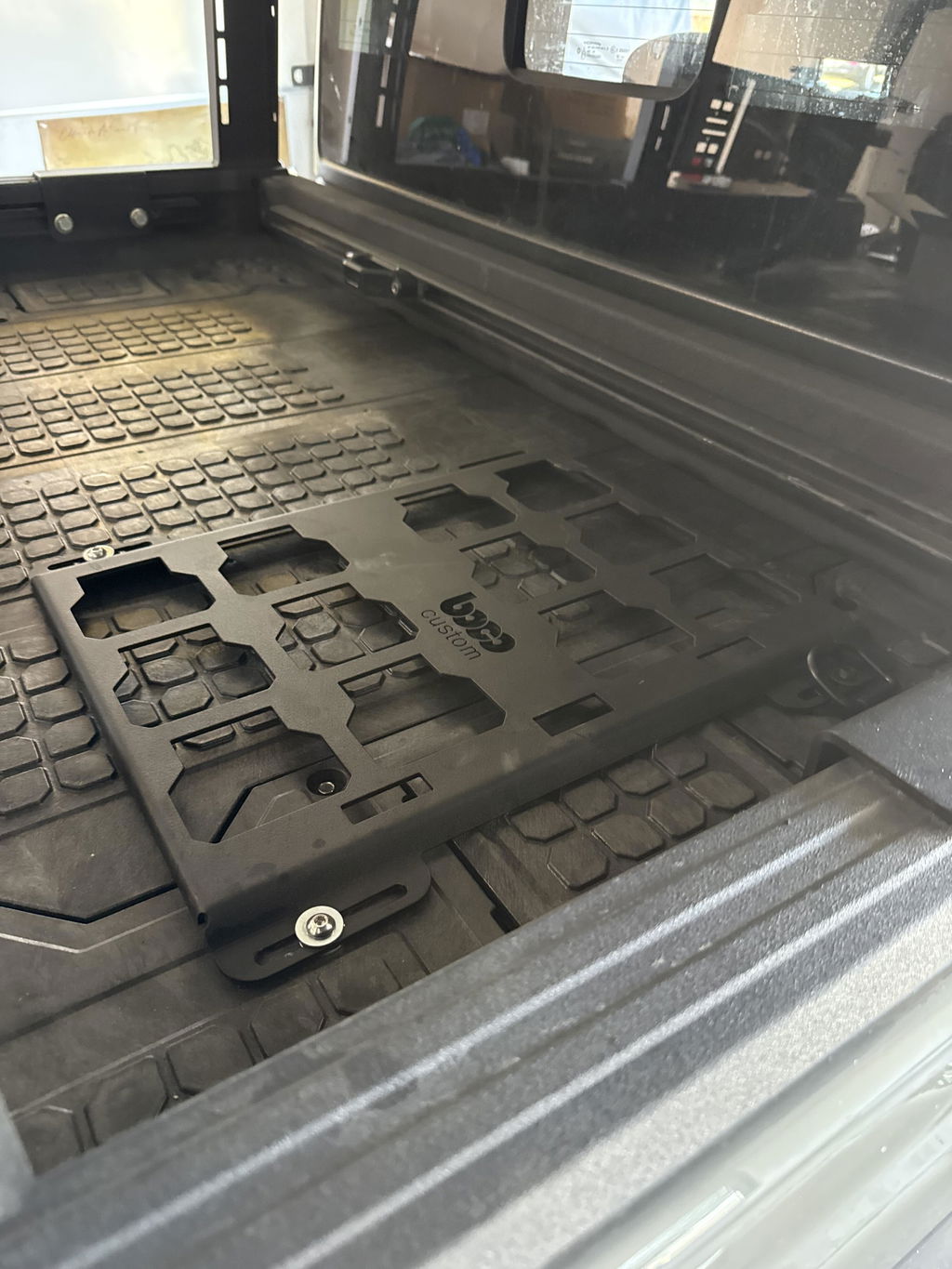
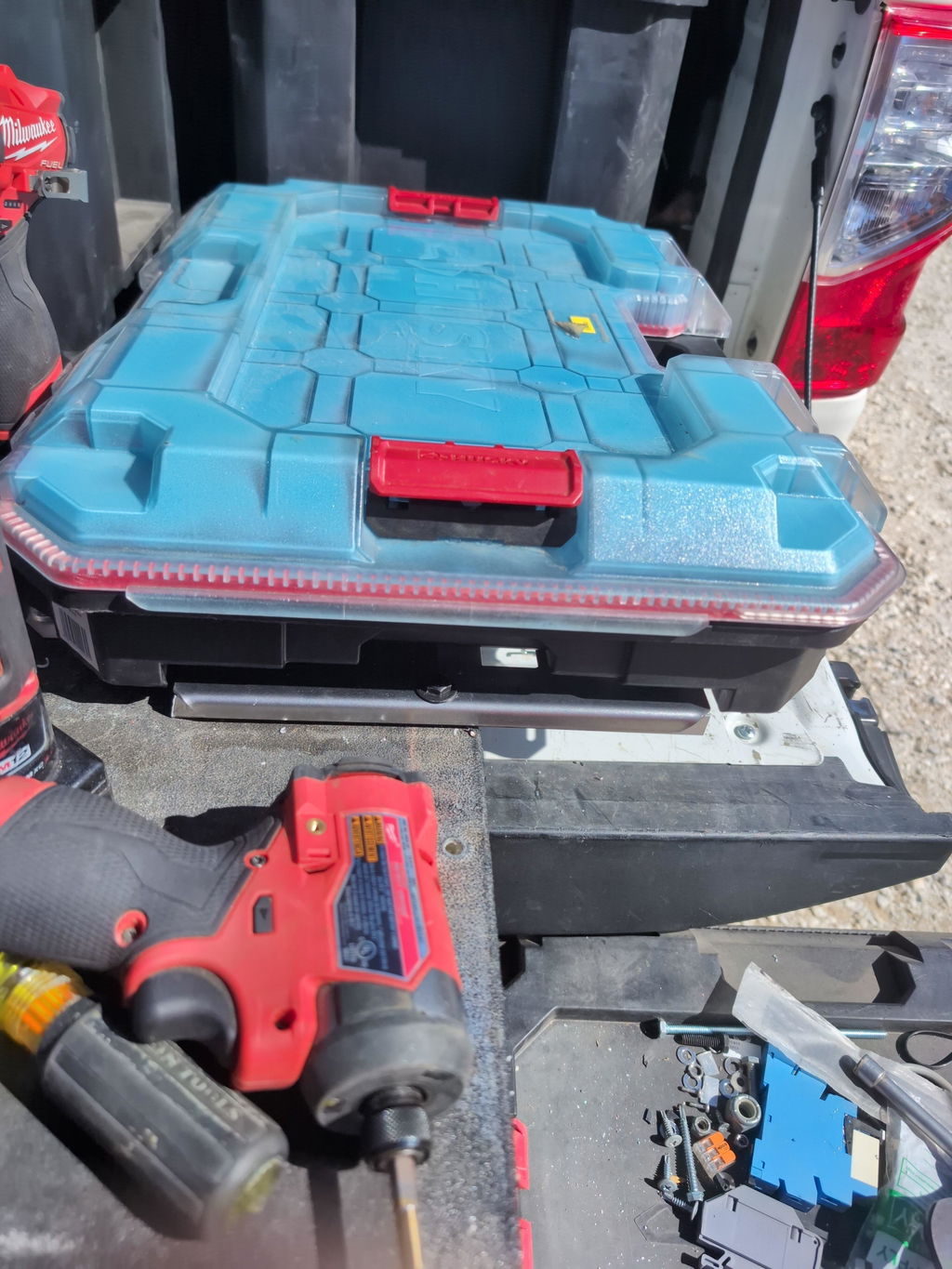
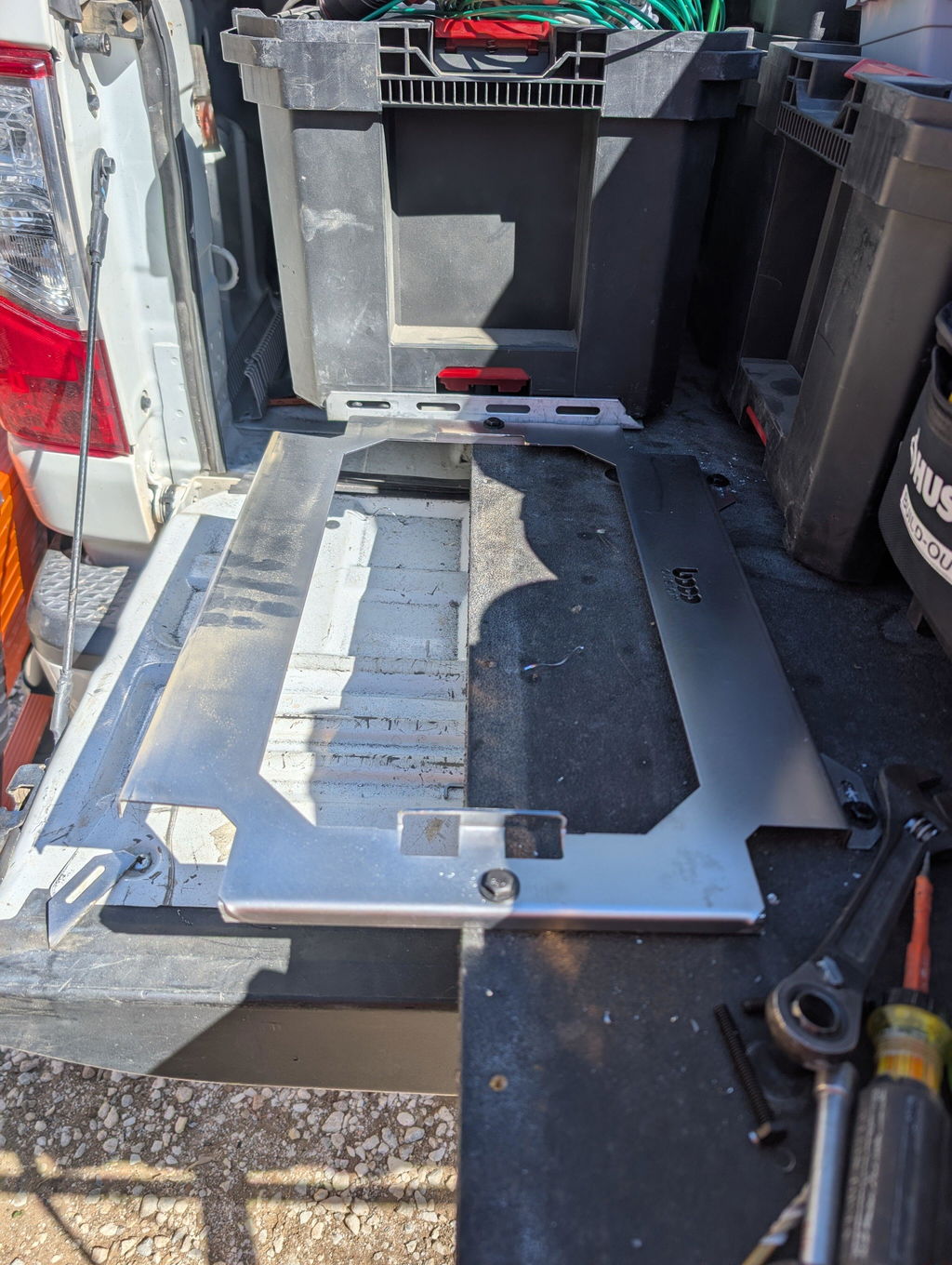
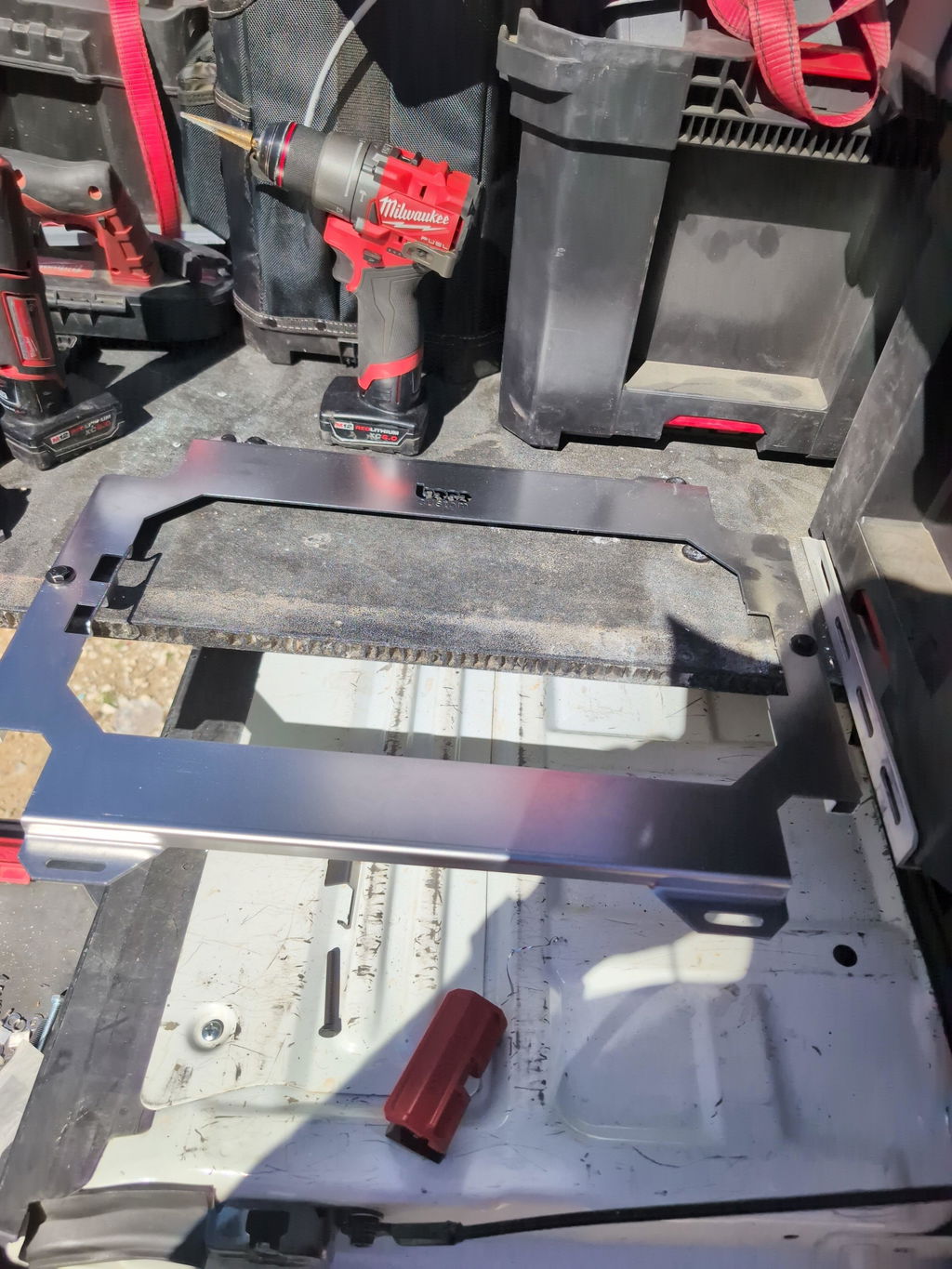
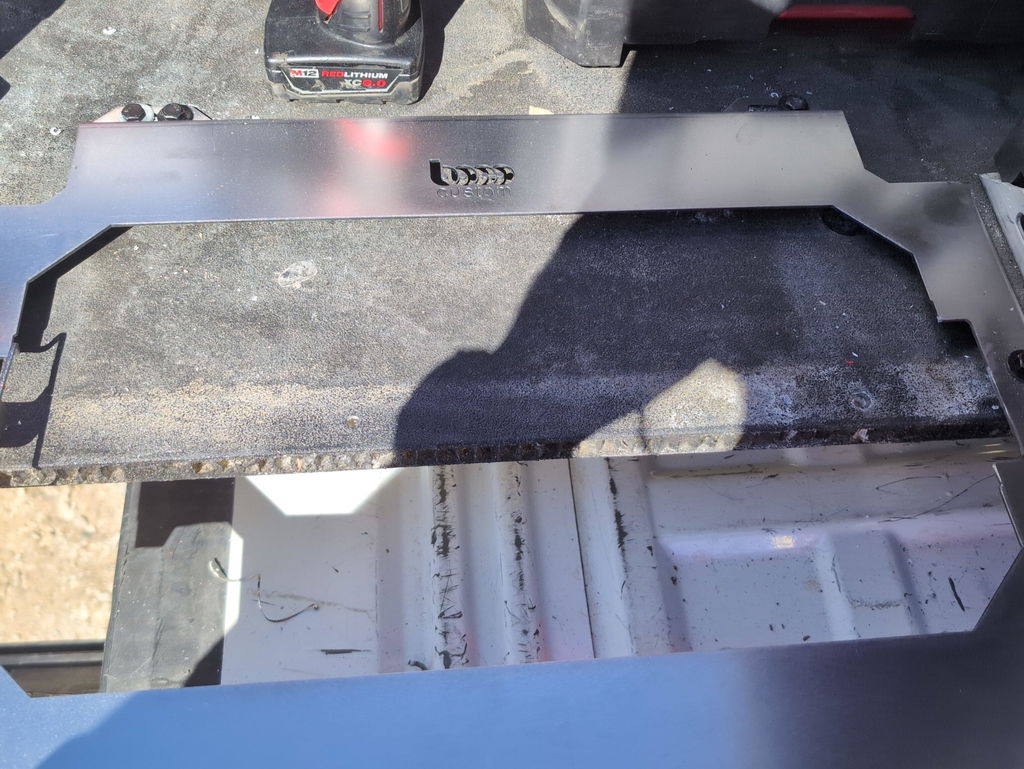
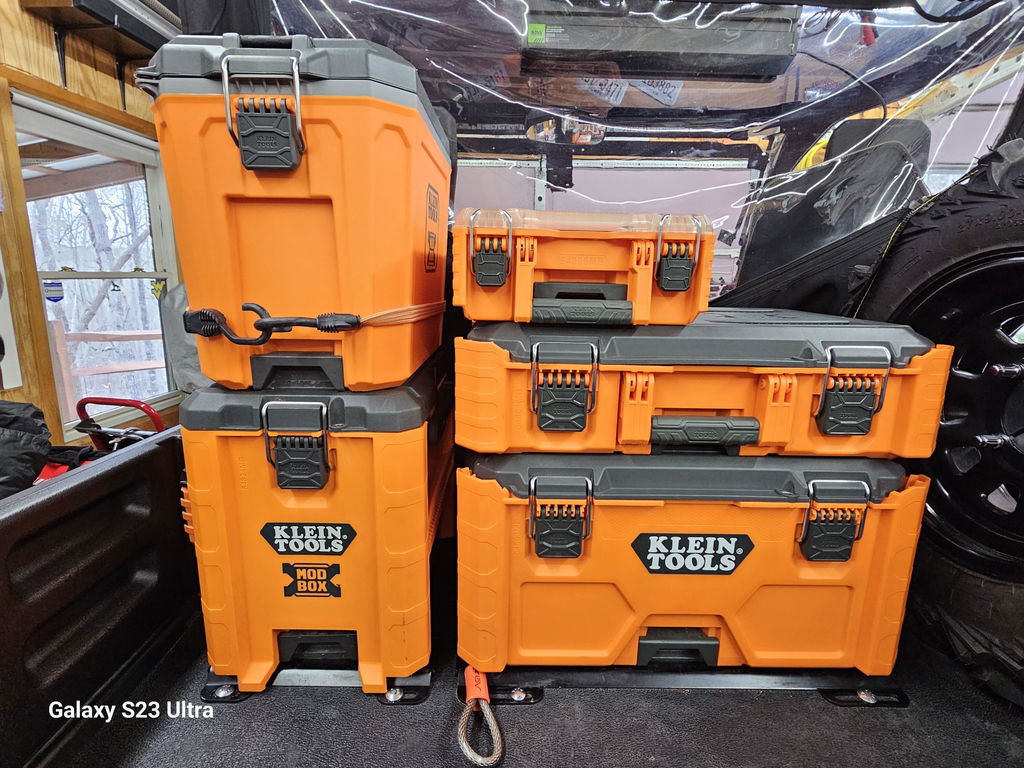
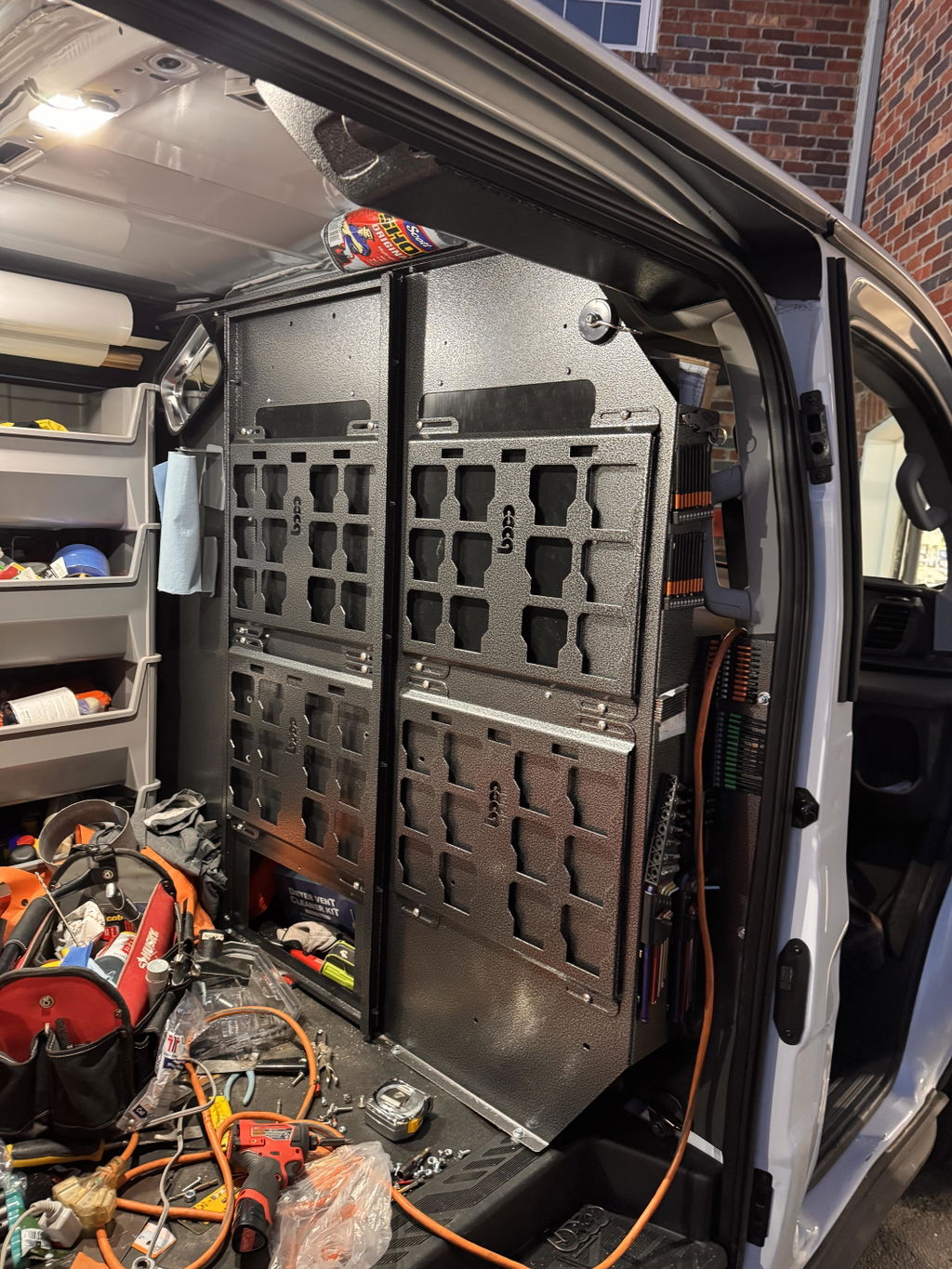
Not only is this way overbuilt for the price with its solid, confident craftsmanship, I am completely convinced that these guys are the best around when it comes to the packout platform.
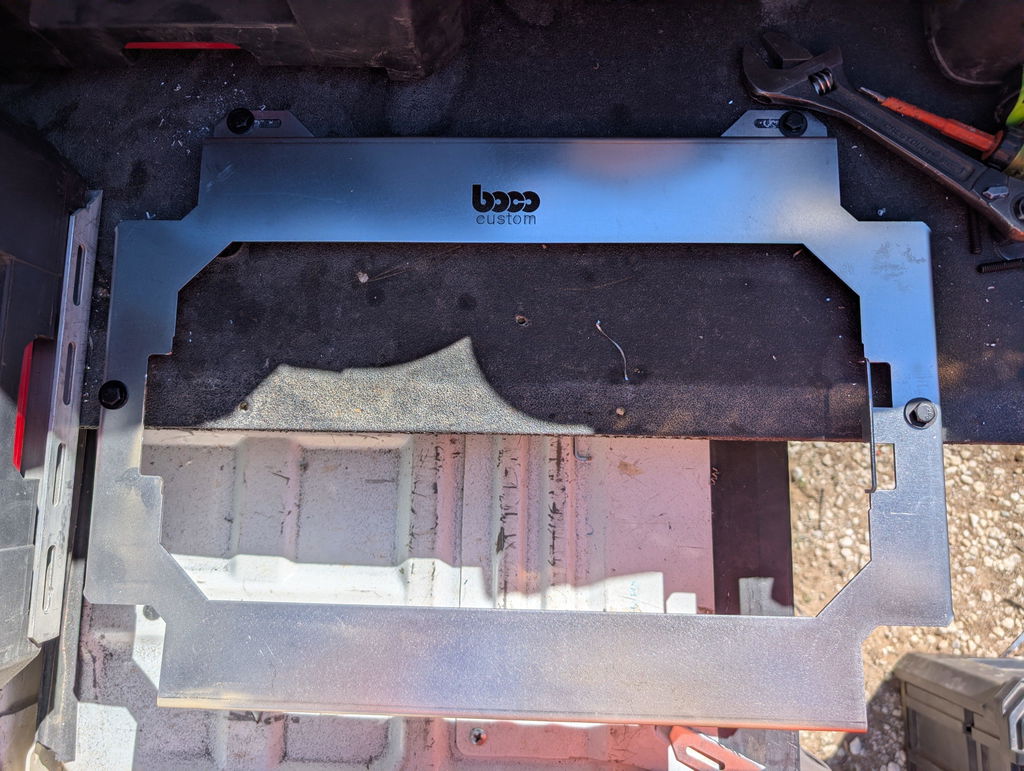
I like these, they are much more compact than what Milwaukee offers. I had them powder coated in silver vain and they look awesome. I love the bonus half rack they sent me. That’s the mark of a nice company.


Leave a comment