Mastering Heavy-Duty Materials for Custom Tool Storage: A Fabrication Shop Guide
Introduction to Tool Storage Needs
Professional tradespeople put their gear through punishment: daily vibrations in transit, shifting loads, weather, and tight spaces that demand quick access. That reality drives the need for heavy-duty tool storage materials that hold up without adding bulk or compromising how systems lock, slide, and stack. The priority is simple—secure tools, save space, speed workflow—but meeting it requires deliberate material and design choices.
Start by defining the environment and duty cycle:
Vehicle type and mounting surface: truck bed, van wall, trailer floor, or shop cart all impose different load paths and fastener strategies.
Load profile: static weight plus dynamic forces from braking, potholes, and off-road vibration.
Corrosion exposure: road salts, moisture, metal-to-metal contact, and chemical cleaners.
Interface needs: compatibility with major storage systems, clearance for lids/drawers, and low-profile designs that preserve capacity.
For toolbox plate fabrication and custom tool organization, common material paths include:
Mild steel (A36, 11–12 ga ~0.105–0.120 in): high stiffness, excellent thread retention with PEM nuts or tapped bosses, cost-effective. Heavier, but ideal for high-cycle, high-load mounts.
Aluminum (5052-H32 or 6061-T6, 0.125 in): substantial weight savings with adequate strength; 5052 is better for formed features, 6061 offers higher tensile strength but cracks easier in tight bends.
Stainless (304, 14–12 ga): premium corrosion resistance for coastal or winter fleets; use when long-term appearance and minimal maintenance matter.
Coatings and finishing directly affect service life. Powder-coated finishes resist abrasion and chemicals better than paint. Zinc plating or e-coat under powder adds corrosion insurance. Deburring and edge rounding reduce chafe on straps and wiring. Where dissimilar metals meet, isolators and stainless hardware prevent galvanic corrosion.
Fastening deserves equal attention:
Use rivnuts/PEM inserts for blind installs in thin sheet; through-bolts with large washers or backing plates for structural floors.
Locking hardware (nylon-insert nuts or threadlocker) combats vibration.
Slotted patterns accommodate system variability while keeping a low profile.
For fabricators, precise DXF files streamline laser/waterjet work, preserving latch geometries and hole tolerances while standardizing bend radii and tab-and-slot joints. Selecting durable fabrication materials and professional grade materials from the outset turns metal shop materials into reliable, repeatable solutions that keep tools secure and accessible on every job.
Why Material Choice Matters
Material choice is the foundation of performance, safety, and longevity in any toolbox plate fabrication. Plates see dynamic loads, vibration, drops, and weather—failures come from deflection, fatigue cracks, or corrosion far more often than from a single overload. Selecting the right heavy-duty tool storage materials prevents those weak points before they appear.
Steel remains the workhorse for professional grade materials. For low-profile mounting plates, 11–12 gauge (0.120–0.105 in) HRPO or cold‑rolled steel balances stiffness and formability. A36 is cost‑effective; 1018 offers tighter tolerances and cleaner laser cuts. Stainless (304/316) suits coastal and chemical exposure but adds cost and can gall fasteners without isolation. Aluminum (5052‑H32) cuts weight dramatically—often 35–60% lighter than steel—while still bending cleanly; 6061‑T6 is stiffer but prone to cracking on tight bends.
Key factors to evaluate:
Load and deflection: Span, thickness, and modulus drive stiffness. An 11‑gauge steel plate spanning 16 in with ribbed features or formed flanges resists “oil canning” better than a flat sheet. Aluminum may require a thicker plate or bead features to match steel rigidity.
Corrosion and finish: Powder coating adheres best to blasted or HRPO steel with proper phosphate pretreatment. Stainless eliminates red rust but still benefits from a coating for wear resistance. With aluminum + steel fasteners, mitigate galvanic corrosion using zinc‑plated hardware, nylon isolators, or primer at interfaces.
Weight and ergonomics: Lighter aluminum platforms reduce vehicle payload and make removable boards safer to handle without sacrificing custom tool organization layouts.
Fabrication practicality: Laser kerf, pierce quality, and minimum web widths vary by material and thickness. 5052 bends with tighter radii; 6061 needs larger radii and reliefs. Clinch nuts need ductile sheet and minimum thickness; rivnuts suit blind installs but require proper grip range.
System compatibility: Hole patterns, countersinks, and keyhole slots must hold tolerances so Packout feet lock securely without rattle, while keeping the plate low enough for drawers and lids to clear.
Noise and durability: Hemmed edges, gussets, and formed ribs cut vibration and spread stress, extending fatigue life under daily jobsite impacts.
Boco Custom designs around these realities, pairing durable fabrication materials with low‑profile geometries and powder‑coated finishes. For shops, DXF files include precise profiles and notes so you can choose metal shop materials that fit your process while meeting professional demands.
Steel Grades for Fabrication
Selecting the right steel grade is the foundation of heavy-duty tool storage materials. For toolbox plate fabrication and custom tool organization, you’re balancing strength, weight, weldability, corrosion resistance, and finish quality—especially if you’re powder-coating and mounting into vehicles or jobsite carts.
Common options for plates and brackets
A36 mild steel (HR/HRPO): The workhorse of metal shop materials. With a 36 ksi minimum yield strength, A36 is easy to laser or plasma cut, welds cleanly, and is cost-effective. HRPO (hot-rolled, pickled and oiled) removes mill scale, improving dimensional consistency and powder-coat adhesion. Typical thicknesses for professional grade materials: 12 ga (0.105 in) for light wall mounts, 11 ga (0.120 in) for general plate work, and 3/16 in (0.1875 in) for heavy vehicle mounts.
1018 cold-rolled steel: Tighter thickness and flatness tolerances than A36 and a higher typical yield (~50+ ksi). Great when you need precise tapped threads, clean countersinks, or tight fit-ups. Slightly pricier and can carry residual stresses—tack sequence and controlled heat input help minimize distortion.
HSLA Grade 50 (A572-50 or A1011 Gr. 50): 50 ksi yield lets you reduce thickness without sacrificing capacity, ideal for low-profile, lighter plates that still carry dynamic loads in trucks and vans. It bends and welds well, but expect larger minimum bend radii than mild steel.
AR400/AR450: Abrasion-resistant plate shines for wear surfaces (sliding drawers, ramp interfaces). Overkill for most mounting plates, tougher to form, and requires correct low-hydrogen procedures. Use selectively where impact or sliding wear is proven.
304/316 stainless: For corrosive or coastal environments where powder coat might be chipped or salt-laden. 304 covers most needs; 316 resists chlorides better. More expensive and lower yield than HSLA, so consider ribbing or gussets to control deflection.
Practical selection examples
Wall or shop-cabinet mounts: 11 ga A36 HRPO, powder-coated. Add ribbing instead of jumping up a thickness.
Service truck bed plate: HSLA Grade 50 in 11 ga or 10 ga to keep it low-profile yet rigid under vibration.
Wet or coastal work: 304 stainless in 12 ga with zinc-rich primer + topcoat, or leave brushed if uncoated.
Fabrication notes
Specify grade and thickness on DXF files to ensure correct kerf comp and bend allowances.
For tapped holes, 1018 or welded nuts on A36 improve thread life.
Prep HR material by blasting or choose HRPO for reliable powder adhesion.
Choosing the right steel grade upfront ensures durable fabrication materials that stay secure, low-profile, and efficient in daily professional use.
Illustration for Mastering Heavy-Duty Materials for Custom Tool Storage: A Fabrication Shop Guide
Aluminum for Lighter Builds
Aluminum is a smart choice when you need strength without the weight penalty. For vehicle drawers, van racking, and wall-mounted boards that get handled daily, it delivers a high strength-to-weight ratio, natural corrosion resistance, and clean aesthetics—ideal qualities for heavy-duty tool storage materials that still need to be mobile.
Choose the right alloy and thickness for the job:
5052-H32: Best for formed parts. It bends cleanly, resists cracking, and offers excellent corrosion resistance. Great for trays, flanged plates, and bracketry.
6061-T6: Higher tensile strength and stiffness but less forgiving in tight bends. Ideal for flat mounting plates and machined features.
Common thicknesses: 0.090 in for weight-critical panels, 0.125 in for general toolbox plate fabrication, and 0.190 in where higher loads or wide spans need extra rigidity.
Practical design tips for professional grade materials:
Bending: Use inside bend radii ≥1x material thickness for 5052 and ≥2x for 6061. Add relief slots at corners and avoid bending across the grain of brushed sheet.
Stiffness without mass: Integrate flanges, hat channels, or bead rolls. Dimpled holes around mounting points increase rigidity with minimal added weight.
Fastening: Rivnuts, PEM nuts, and helical inserts provide durable threads. Use threadlocker or nyloc nuts for vibration. Isolate dissimilar metals (aluminum/stainless) with nylon washers or coatings and apply anti-seize to reduce galvanic corrosion.
Surface finishing: Powder coating adds abrasion resistance and a professional finish. Mask threads and tight bores; account for 0.003–0.006 in per side coating buildup. Anodizing is a good alternative where thin tolerances matter.
Cutting and edge quality: Waterjet and fiber laser yield crisp edges; CNC routers also work with proper fixturing, sharp carbide tools, and coolant/mist. Break edges with a chamfer or Scotch-Brite to protect hands and cables.
Mounting patterns: Use accurately located holes for popular tool systems and add slotted features for field adjustability. Countersink where you need a low-profile, snag-free surface for custom tool organization.
When to reconsider aluminum: If the plate will see frequent hammer impacts, heavy point loads over small spans, or requires extensive welded structures, steel may be the more durable fabrication material despite the added weight.
For shops that prefer to fabricate in-house, accurate DXF files streamline programming and nesting, reduce rework, and ensure hole patterns match established systems. If you’d rather deploy quickly, pre-made, powder-coated, low-profile plates with same-day shipping and local pickup options can keep your metal shop materials and workflows moving without compromise.
Powder Coating for Durability
Powder coating turns raw metal shop materials into professional grade components that resist abrasion, chemicals, and weather—critical for heavy-duty tool storage materials that live in trucks, shops, and job sites. Compared to liquid paint, powder delivers tougher film build, better edge coverage, and faster turnaround for toolbox plate fabrication.
Start with surface prep. The coating only performs as well as the substrate:
Degrease and remove oils; blast to a 2–3 mil profile to knock down mill scale and laser oxide.
Use a phosphate or zirconium conversion coating to improve corrosion resistance and adhesion.
Dry thoroughly; trapped moisture causes outgassing on welds and HAZ.
Select the right chemistry for the environment:
Polyester TGIC: best all-around choice for UV stability and outdoor use on custom tool organization systems.
Epoxy: excellent chemical and chip resistance, but chalks in sunlight—use for interior drawers or as a primer.
Hybrid epoxy/polyester: good interior option where UV exposure is limited.
Control film thickness and tolerances:
Aim for 2.0–3.5 mils on flat plates; heavier builds can close tight slots, countersinks, and dovetail interfaces common in low-profile mounting plates.
Mask threads, PEM nuts, grounding points, and precision holes. Use silicone plugs and high-temp tapes to maintain fit.
Address the Faraday cage effect in tight cutouts by lowering KV on the gun, repositioning parts, and ensuring strong grounding for uniform coverage.
Cure correctly:
Typical cure is 10–15 minutes at 375–400°F metal temperature. Verify with probes; undercure reduces impact resistance, overcure can embrittle the film.
For maximum corrosion resistance, pair a zinc-rich primer with a polyester topcoat; 500–1,000+ hours ASTM B117 salt spray is achievable with proper pretreatment.
Specify performance and finish:
Target 5B adhesion (ASTM D3359) and robust impact resistance (ASTM D2794) for plates that see repeated tool loading.
Textured black hides scratches and adds grip; color-coded finishes can segment kits by trade or vehicle for faster deployment.
For shops fabricating to DXF, include masking notes and tolerance callouts right in the file. Powder-coated, low-profile plates used in major systems stay straighter, chip less during transport, and extend the service life of durable fabrication materials across demanding workflows.
Precision Cutting Techniques
Precision cutting is where fit, strength, and speed converge—especially when working with heavy-duty tool storage materials. Your choice of process and programming determines whether mounting plates lock in securely, coat cleanly, and hold up to daily use.
Choose the right process
Illustration for Mastering Heavy-Duty Materials for Custom Tool Storage: A Fabrication Shop Guide
Fiber laser: Best balance of speed, accuracy, and edge quality on carbon steel and stainless up to 3/8 in. Typical kerf is ~0.006–0.012 in, with minimal heat-affected zone. Nitrogen assist yields clean, oxide-free edges ideal for powder coat; oxygen speeds thicker mild steel but leaves an oxide that needs prep.
Waterjet: No heat, excellent for multilayer assemblies or heat-sensitive alloys. Slower and costlier; kerf ~0.030–0.045 in depending on nozzle/mix tube. Superior for tight-tolerance slots and countersinks in professional grade materials where HAZ is unacceptable.
CNC plasma: Cost-effective on thicker plate (3/16–1/2 in). Modern high-definition systems produce good edges, but expect more taper and dross than laser. Plan for post-cut cleanup on visible edges and mating features.
Milling/saw/shear: Useful for straight cuts and finishing precision features after rough cutting. Shearing works for simple rectangular blanks from common metal shop materials like 10–11 ga steel.
Program for precision
Kerf compensation: Dimension the DXF true-to-size; apply kerf in CAM. Boco Custom’s instant-download DXF files are optimized with proper lead-ins/outs, pierce locations, and micro-tabs for toolbox plate fabrication.
Minimum feature sizes: For plasma, keep hole diameter ≥ material thickness. For laser, 0.5× thickness is typically safe; go larger for through-coating bolt fit.
Slot and hole clearances: Add 0.010–0.020 in per side for powder coat and tolerance stack. For keyed slots that engage tool system latches, validate with go/no-go gauges before releasing a nest.
Lead-ins/outs: Place on scrap or non-cosmetic edges. Use edge starts to reduce pierces and dross.
Tab strategy: Use micro-joints to retain small parts; alternate sides to limit distortion.
Control heat and distortion
Use skip-cut sequencing: Cut small features first, then perimeter. Stagger parts and avoid cutting adjacent edges back-to-back.
Clamp thin plate (10–14 ga) or leave a skeleton frame. Consider common-line cutting only when heat input is low.
Mind grain direction if parts will be formed after cutting.
Finish for durability
Remove oxide and dross with a flap wheel or tumble; powder coat adheres best to clean, slightly profiled edges.
Break sharp edges on hand-contact points for custom tool organization components.
Verify before scaling
Check first-off parts against the CAD with a CMM or calibrated calipers. Confirm latch engagement, bolt fit, and flatness.
Record machine settings for each material/thickness to standardize across durable fabrication materials.
These techniques help ensure repeatable, secure, and low-profile results in heavy-duty tool storage materials—reducing rework and speeding production for professional tradespeople and fabricators.
Designing for Secure Mounting
Secure mounting starts with a clear understanding of loads, vibration, and the surfaces you’re attaching to. In mobile environments—service vans, trailers, and jobsite carts—dynamic forces can exceed static loads by 2–3x. Design for that reality and your plates will stay locked down without rattles or fatigue cracks.
Choose heavy-duty tool storage materials that balance strength, weight, and corrosion resistance:
Steel: A36 or HRPO in 11 ga (0.120 in) for general plates; 10 ga (0.135 in) or 3/16 in for high-load or span applications. Predictable, cost-effective, easy to weld.
Aluminum: 5052-H32 at 0.125 in for weight savings; add flanges, ribs, or formed edges to regain stiffness. Use stainless or coated hardware to prevent galvanic corrosion.
Key details for toolbox plate fabrication:
Fasteners: For through-bolting into wood/ply surfaces, 1/4-20 or M6 is a practical minimum. Use nylock nuts, prevailing-torque nuts, or medium-strength threadlocker. For blind installs, spec rivnuts or weld nuts.
Hole/slot sizing: 0.260 in for 1/4 in clearance; 0.328 in for 5/16 in; 6.8 mm for M6. Slot key mounting patterns to ±0.010 in when mating to OEM components. Provide elongated slots for adjustment and thermal movement.
Countersinks/counterbores: Flat-head screws create low-profile, snag-free surfaces. 82° countersinks are standard SAE; 90° is common metric—match hardware.
Edge treatment: Deburr all cut edges; target a 0.03–0.06 in radius on exposed corners for safety and coating adhesion.
Backer strategy: Use large-diameter washers or backing plates behind thin van panels to distribute load and prevent pull-through.
For durable fabrication materials and longevity, plan coatings early. A zinc-rich primer under powder coat delivers excellent chip and corrosion resistance. In high-salt regions, consider stainless hardware and nylon isolators to break galvanic couples.
Accuracy matters in custom tool organization. Place critical features on a dedicated CAD layer and note tolerances in your DXF. Compensate for laser/waterjet kerf, and add bend reliefs if forming flanges. When producing metal shop materials for popular modular systems, confirm latch and hole patterns with a test cut before full production.
Boco Custom’s low-profile, professional grade materials and ready-to-cut DXF files help you hit these specs, whether you’re fabricating in-house or installing same-day plates on the job.
Optimizing Fabrication Workflow
Start with the right inputs. Stock a focused range of metal shop materials that cover the majority of toolbox plate fabrication: 11-gauge HRPO steel for stiffness with a low profile, 3/16-inch steel where extreme abuse is expected, 5052-H32 aluminum for weight-sensitive setups, and 304 stainless for corrosive environments. Keep cut sheets organized by thickness to streamline nesting and reduce changeovers.
Standardize your digital-to-cut pipeline. Instant-download DXF files eliminate CAD time and ambiguity. Use files that include clear layer conventions (cut, etch, bend) and hole callouts for professional grade materials. Before production, validate one part on your machine to confirm kerf compensation, pierce sequencing, and micro-tab placement. Batch cut by thickness/material to minimize nozzle, gas, and parameter swaps.
Build in repeatability at the bench. Create simple fixtures for consistent hole alignment and slot position—dowel-pin plates for common tool system patterns, stop blocks for edge references, and magnetic squares for quick squaring. For heavy-duty tool storage materials, maintain flatness by cooling parts between operations and stacking with spacers to avoid powder coat witness marks later.
Illustration for Mastering Heavy-Duty Materials for Custom Tool Storage: A Fabrication Shop Guide
Deburr and prep with finish in mind. Tumble small parts; belt-sand edges on larger plates; countersink fastener locations where a flush face is critical for custom tool organization. For steel, use a phosphate or zirconium conversion wash; apply zinc-rich primer when parts will see impact; then powder coat topcoat in a high-gloss or textured finish that hides handling marks.
Design your line for flow:
Cut: nest multiple SKUs to maximize sheet yield.
Prep: deburr, countersink, and hardware prep in one cell.
Finish: hang by non-critical points; mask latch interfaces and grounding points.
Inspect: go/no-go gauges for slot spacing; test fit with representative tool storage bases.
Pack: use edge protectors, foam interleaf, and labeled bags for hardware; stage for same-day shipping or local pickup.
Use lean signals to manage WIP and reorder points. Keep buffer stock of fasteners, PEM hardware, and powder colors tied to your top sellers. With standardized DXF libraries and focused durable fabrication materials, you’ll shorten lead times, improve consistency, and deliver robust, low-profile mounting solutions at scale.
Future Trends in Tool Organization
Tool storage is moving toward stronger, lighter, and more adaptable systems built from heavy-duty tool storage materials that don’t add unnecessary bulk. Shops are pairing smarter design with better finishes and digital workflows to deliver precise, repeatable results for field use.
Key shifts to watch:
High-strength metals over mild steel: HSLA Grade 50 and dual-phase steels let you step down a gauge while maintaining load capacity when combined with formed flanges and ribs. In many toolbox plate fabrication projects, moving from 10 ga A36 to 12 ga HSLA with strategic ribbing can cut weight while preserving stiffness. For corrosion resistance, 304 stainless is gaining traction in coastal fleets and utilities.
Aluminum where weight matters: 5052-H32 and 6061-T6 are increasingly used for drawer internals, dividers, and low-profile mounts in service vans with tight payload limits. Hemmed edges, gussets, and joggles offset aluminum’s lower modulus without resorting to thicker stock.
Advanced coatings: Zinc-rich primer plus polyester powder topcoat is becoming standard for professional grade materials exposed to de-icing salts and jobsite abrasion. Look for systems validated to 1,000+ hours ASTM B117 salt spray. UV-stable matte textures resist scuffs and reduce glare in bright bays.
Precision-first fabrication: Laser-cut DXF workflows with tab-and-slot, self-jigging features reduce tolerance stack-up and assembly time. Instant-download DXF files enable fabricators to adapt patterns to different bodies, bulkheads, and common systems like Milwaukee Packout while keeping hole patterns consistent.
Modular, cross-platform layouts: Standardized grids, slotted channels, and removable anchors support custom tool organization that can be reconfigured as crews and kits change. Low-profile plates with captive, tamper-resistant hardware improve security without eating storage depth.
Vibration and noise control: Integrated anti-rattle features—neoprene isolators (60A durometer), spring-loaded detents, and edge gaskets—are becoming standard to protect instruments and reduce fatigue during transport.
Traceability and smart labeling: Laser-etched QR codes that link to part numbers, torque specs, and revision-controlled DXFs streamline fleet maintenance and replacement.
Sustainable metal shop materials: Better nesting for >80% utilization, recyclable substrates, and low-VOC powders are aligning shop practices with customer ESG goals.
These trends reward designs that combine durable fabrication materials, efficient manufacturing, and fast fulfillment—think same-day shipping on proven plates with the option to self-fabricate from accurate files when timelines are tight.
Conclusion: Build Lasting Solutions
Durable results come from pairing the right heavy-duty tool storage materials with disciplined fabrication. Start by matching material to use-case and environment.
General utility: 11-gauge (0.120 in) HRPO steel is a reliable baseline for toolbox plate fabrication in vans and service bodies. It balances stiffness, weldability, and cost.
Extreme duty: 3/16 in HRPO or A36 steel for plates that anchor vises, compressors, or Packout bases exposed to high dynamic loads or off-road use.
Weight-sensitive builds: 5052-H32 aluminum (0.160–0.190 in) for drawer tops and dividers; add formed flanges and gussets to recover stiffness.
Corrosive environments: 304 stainless for coastal fleets or wash-down areas, or use steel with a zinc-rich primer plus polyester powder coat.
Design for secure, low-profile integration.
Use countersunk flat-head hardware and PEM nuts/rivnuts to keep surfaces flush so boxes, slides, and trays seat properly.
Slot anchor holes to accommodate thermal expansion and chassis irregularity; keep slots oriented with load paths.
Hem exposed edges or add 1/4 in radii to reduce snagging and powder chipping.
Add gussets under tie-down points; design in ribbing or lightening patterns that don’t weaken primary load paths.
Finish for longevity.
Powder coat: zinc-rich primer + polyester TGIC topcoat at 2–3 mil total film provides strong chip and UV resistance.
Mask threads and locating features; account for 0.003–0.006 in coating build in tight interfaces.
Deburr and chamfer laser-cut edges; remove dross before finishing to prevent premature coating failure.
Engineer for fabrication realities.
Laser/plasma kerf compensation and tab/slot clearances: 0.006–0.010 in for 11-gauge steel is a practical starting point.
Bend reliefs at 1x material thickness avoid tearing; specify grain direction for brake consistency on aluminum.
Document torque specs and use Grade 8 or 10.9 hardware with threadlocker or nylocs on mobile installs.
Validate under real loads.
Target 3x the expected static weight to account for road shock.
Inspect fasteners after a shakedown route; re-torque critical points.
When speed and repeatability matter, pre-engineered solutions save time. Boco Custom offers professional grade materials in low-profile mounting plates that ship same day and arrive powder-coated and ready to install, with local pickup available. For custom tool organization, their instant-download DXF files give fabricators precise geometry to cut, form, and finish in-house using existing metal shop materials and processes. Whether you buy or build, selecting durable fabrication materials and executing the details will deliver secure, organized tool storage that holds up to daily professional use.
Standard shipping takes 5 to 7 business days. Express (2 to 3 days) and overnight options are available at checkout. Orders over $50 ship free.
Can I order online and pick up in store?
Yes. Select "Pick up in store" at checkout and choose your nearest location. Most orders are ready within 2 hours.
What if my order arrives damaged?
Contact us within 7 days of delivery with your order number and a photo. We'll arrange a replacement or refund, no return shipping required.
AI-Generated Content Disclosure
This blog post was created with the assistance of RankGPT, an AI-powered tool designed to generate high-quality, SEO-optimized content at scale.
As a small business embracing modern technology, we use AI to help us:
Produce informative articles more efficiently
Increase our online visibility through better performance in traditional search engines (like Google) as well as emerging AI-powered searches and answer engines
Reach more potential customers and grow our presence in a competitive digital landscape
By leveraging tools like RankGPT, we're able to publish valuable content more consistently and scale our efforts in ways that would otherwise take significantly more time and resources.
Important notes for readers:
While RankGPT helps create well-structured and relevant content based on current best practices, AI-generated posts are not always 100% accurate, complete, or free from errors.
The information, opinions, and perspectives expressed may not fully reflect the exact views, experiences, or official positions of Boco Custom, its team members, or the individuals involved in our business.
AI content should be viewed as a starting point or general resource—not as personalized professional advice, definitive facts, or a substitute for direct consultation with us or qualified experts.
We always recommend verifying important details independently, especially for decisions related to custom products, services, or any business matters.
We are committed to transparency and continually work to improve our content. If you have questions, feedback, or spot any inaccuracies, please reach out—we genuinely appreciate it!
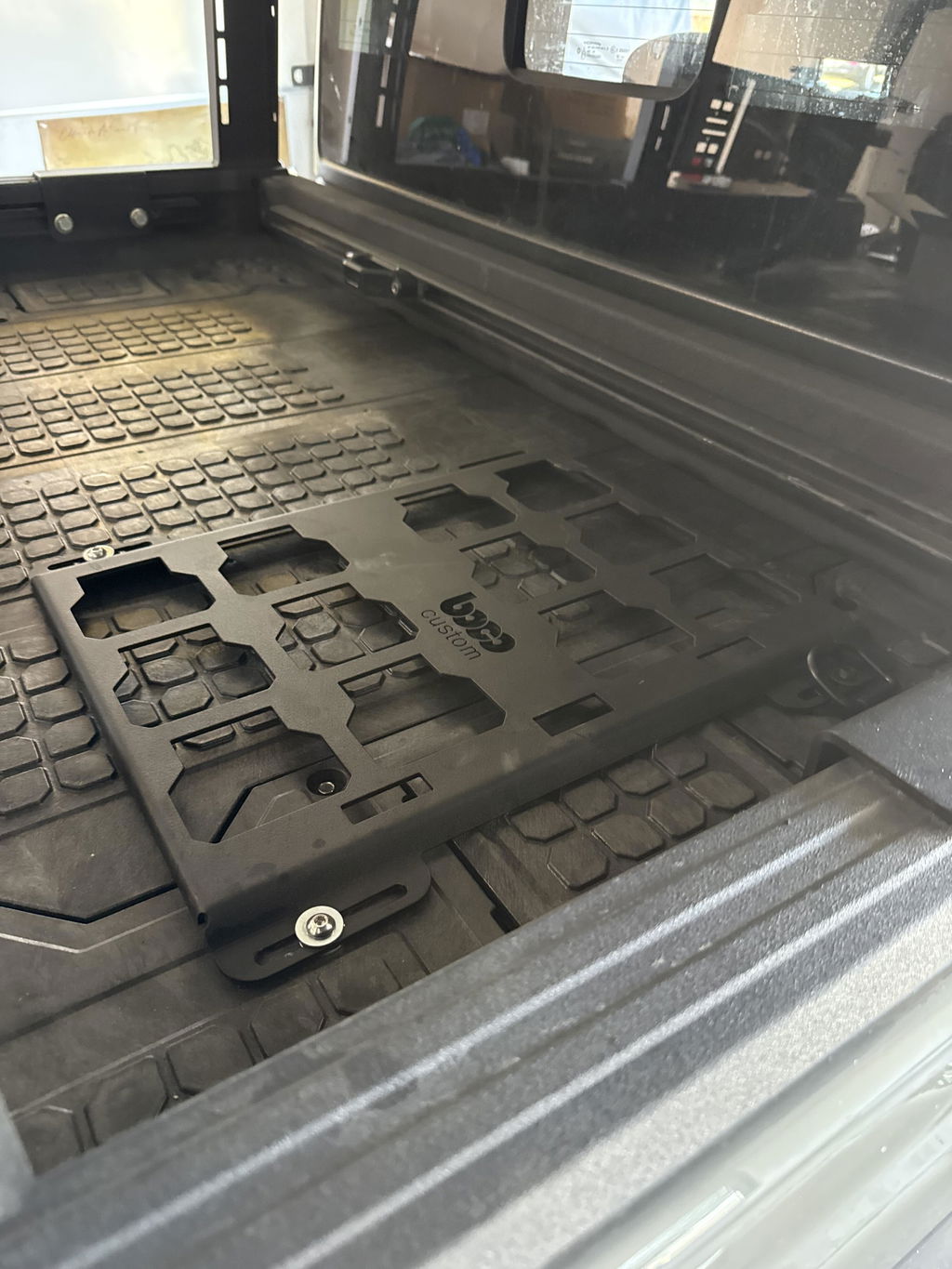
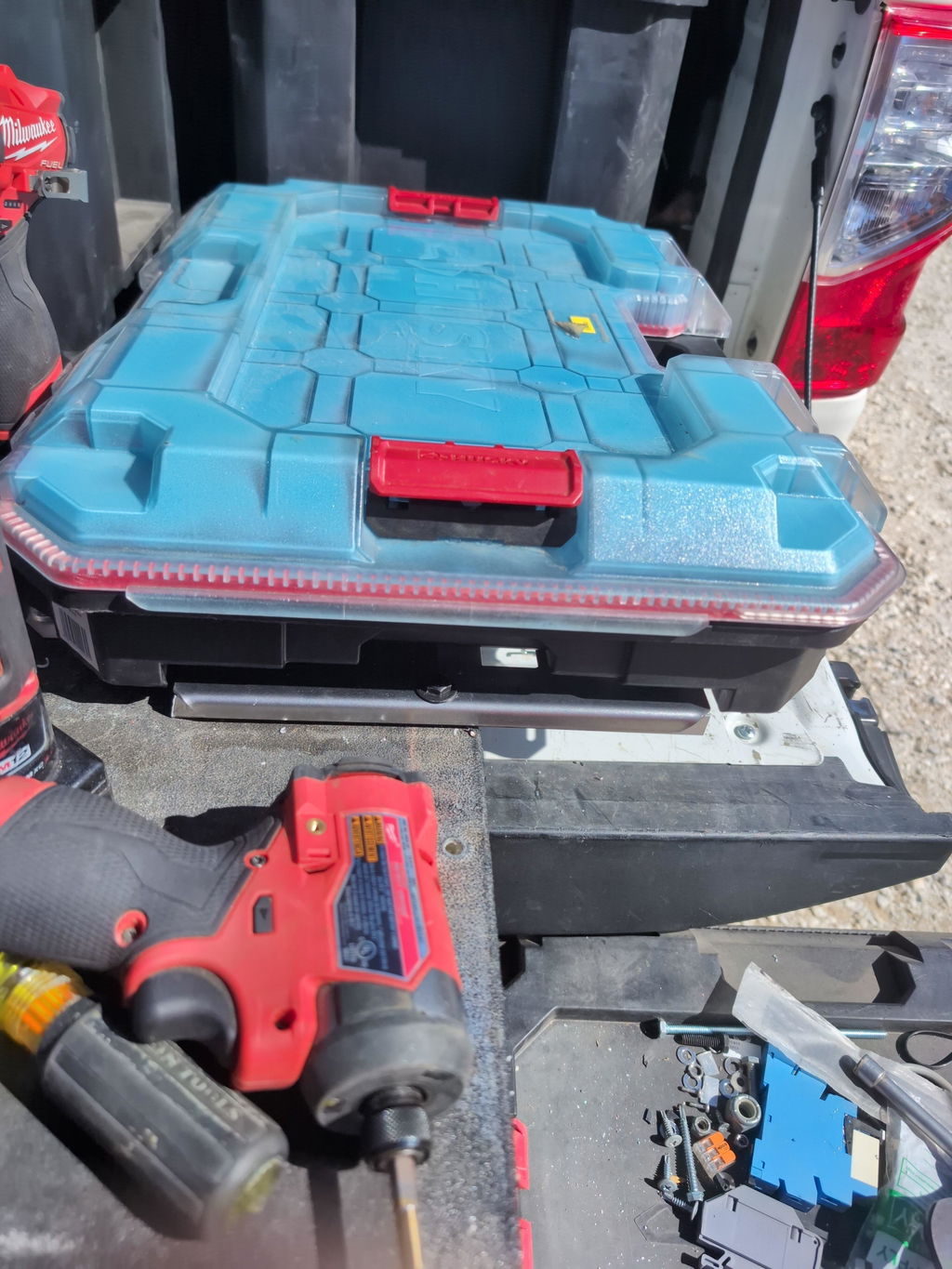
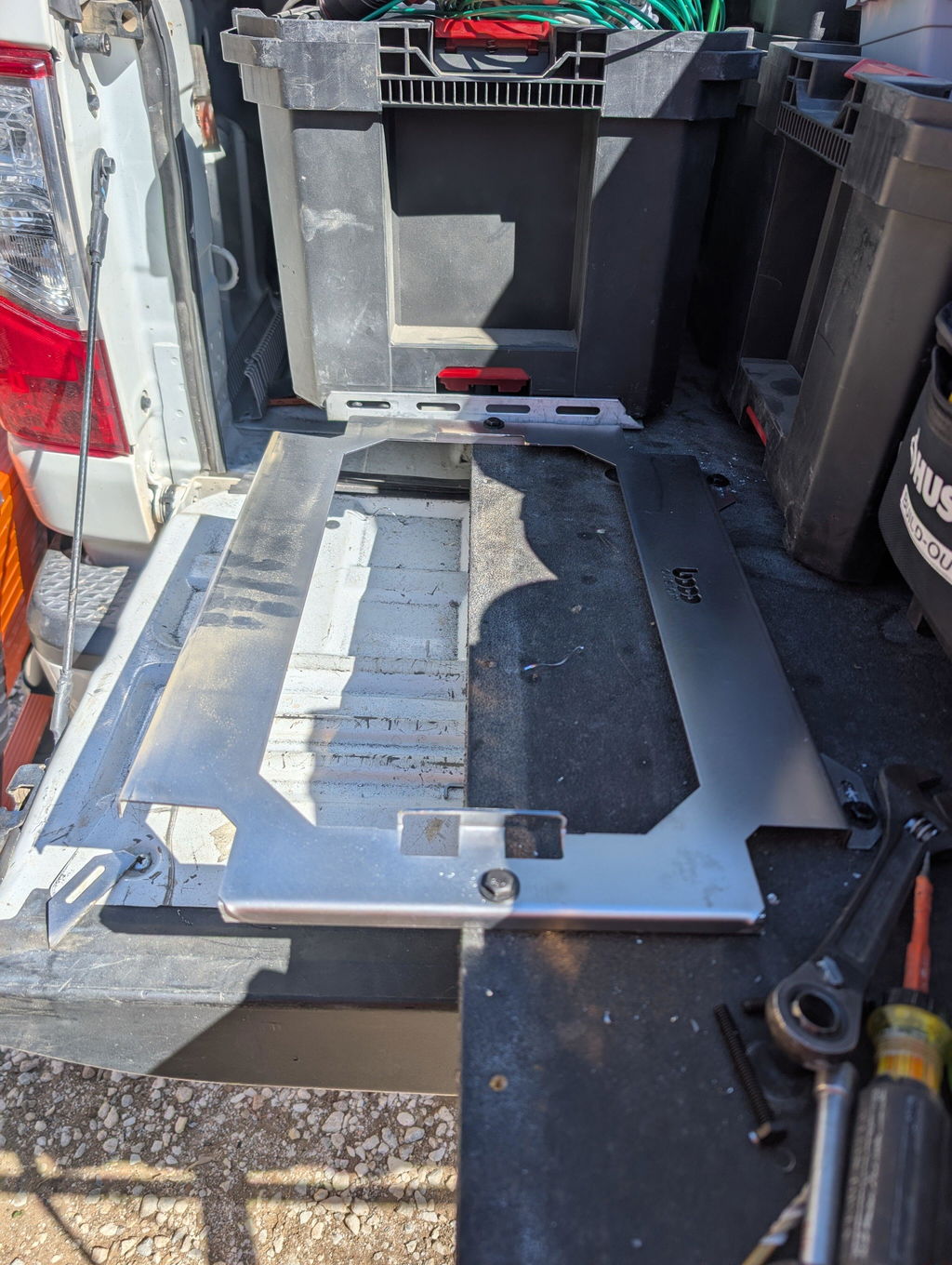
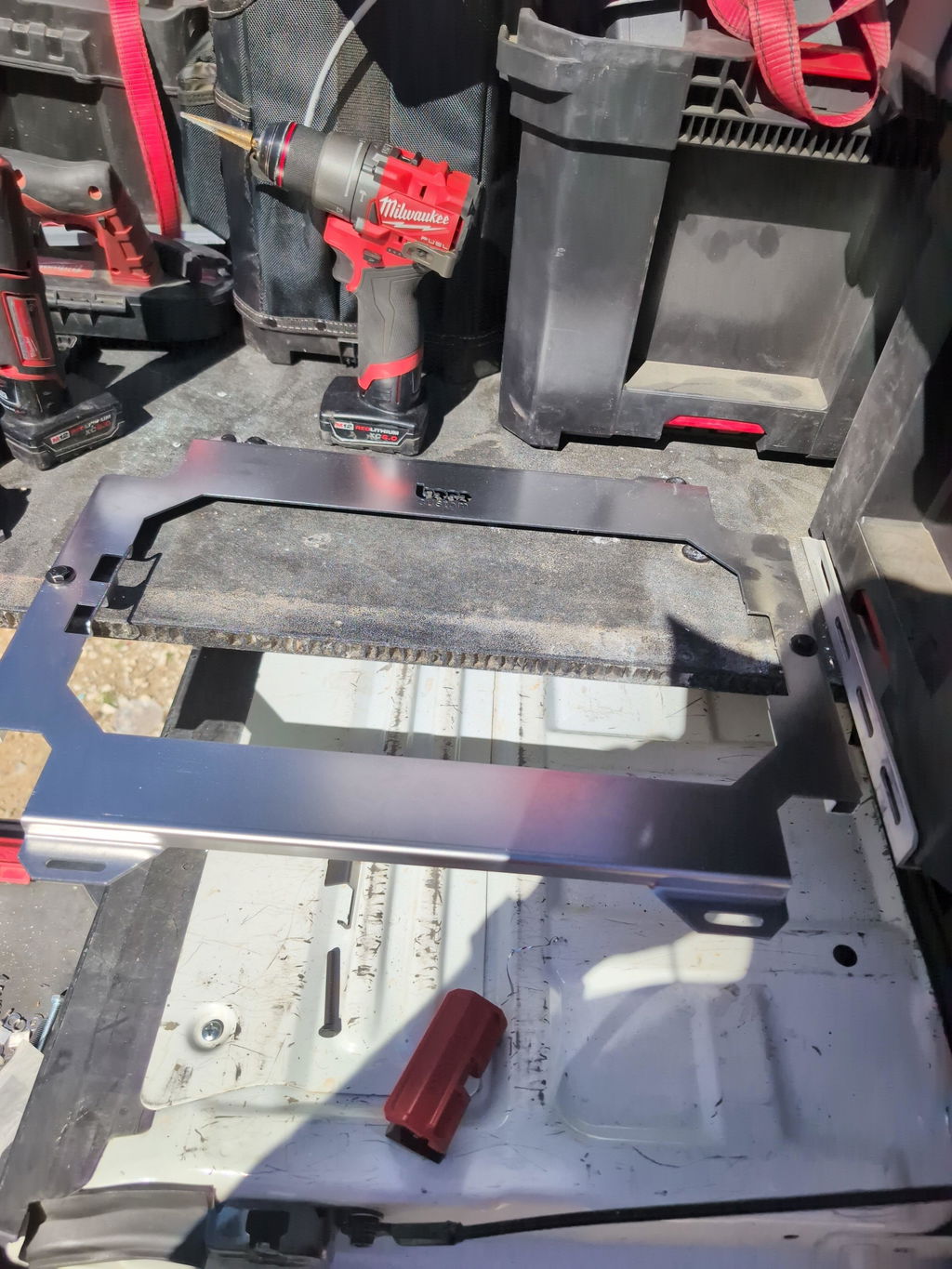
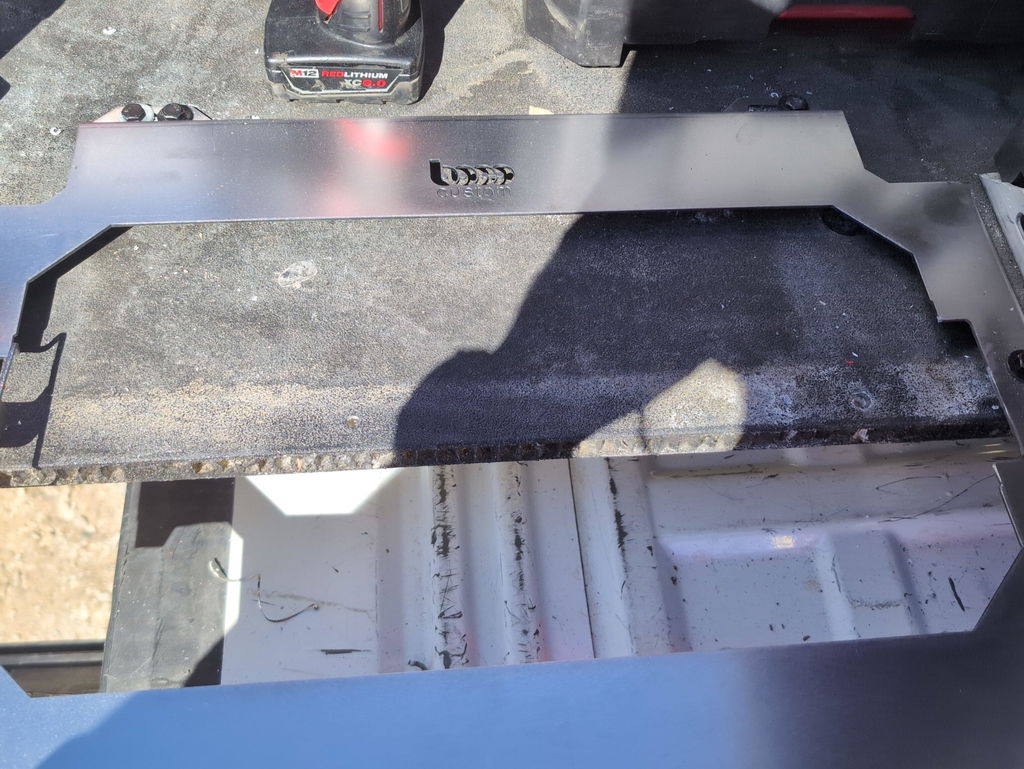
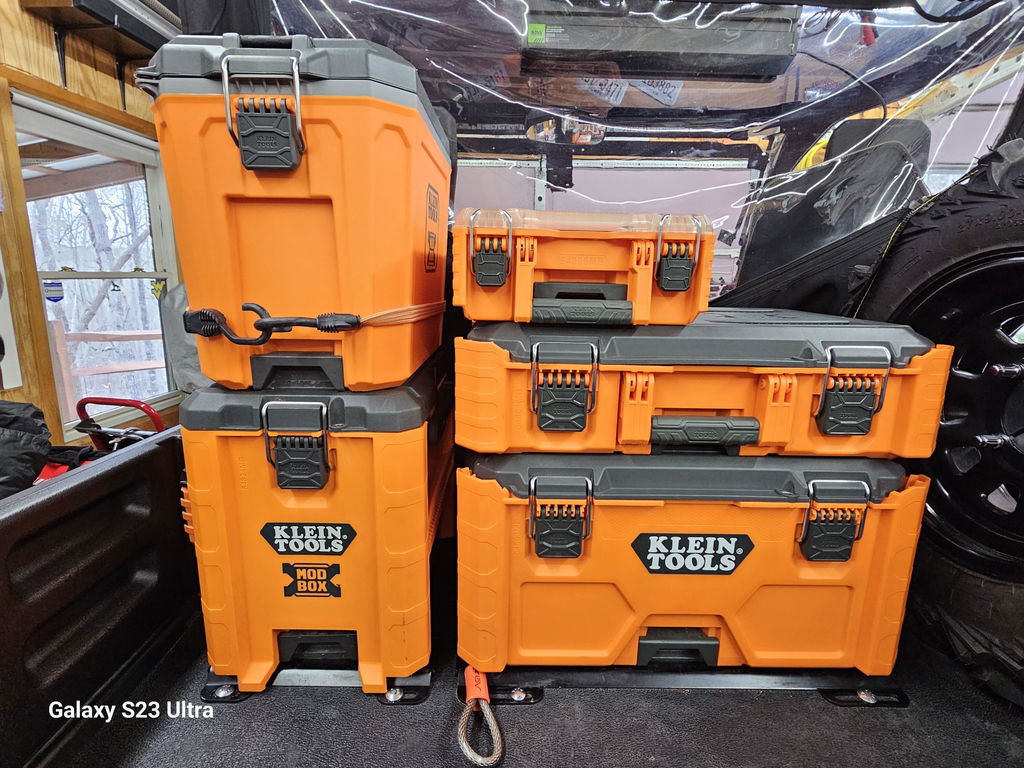
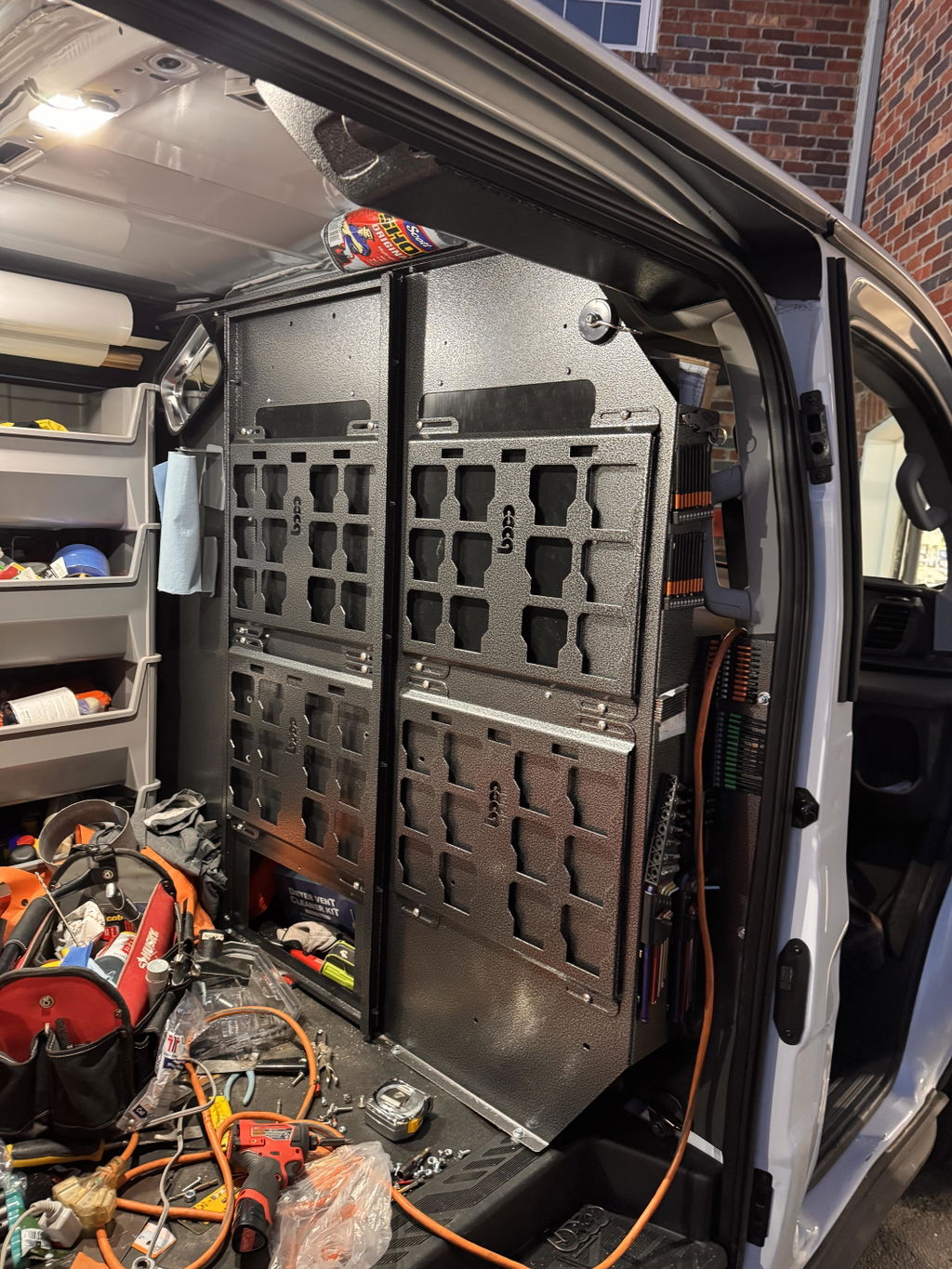
Not only is this way overbuilt for the price with its solid, confident craftsmanship, I am completely convinced that these guys are the best around when it comes to the packout platform.
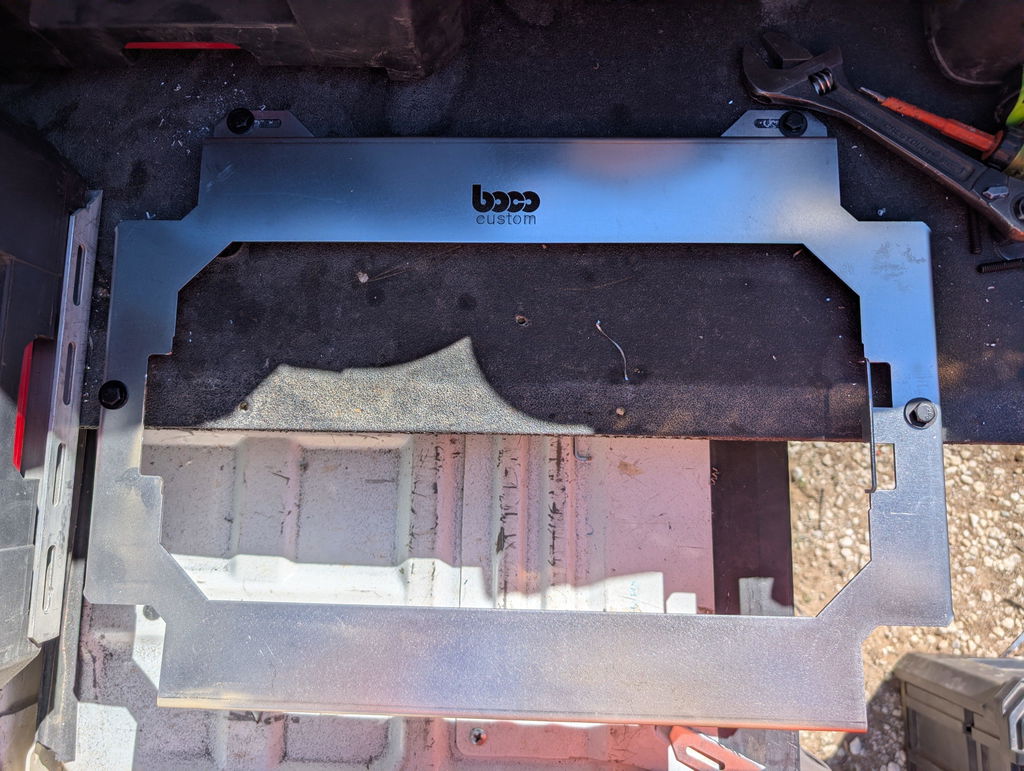
I like these, they are much more compact than what Milwaukee offers. I had them powder coated in silver vain and they look awesome. I love the bonus half rack they sent me. That’s the mark of a nice company.


Dejar un comentario