Mastering Mobile Tool Storage: Durability and Vibration Resistance for Professionals
The Demands of Mobile Tool Storage
Daily driving, gravel approaches, and lift-gate slams put more stress on tool storage than most shops ever will. Mobile tool storage durability isn’t just about weight capacity on paper; it’s about surviving thousands of vibration cycles, sudden impacts, and harsh weather while keeping gear accessible and intact.
The primary stressors to engineer for include:
Vibration and shock: potholes, speed bumps, and washboard roads
Cyclic loading and fatigue at welds, bends, and fastener joints
Corrosion from moisture, road salt, and jobsite chemicals
Abrasion and grit intrusion in dusty environments
Tight clearances and shifting loads during secure tool transport
Quantify the demand to size hardware correctly. A loaded stack that weighs 80 lb can see 2–3 g on a hard hit, momentarily acting like 160–240 lb. This multiplier affects plate thickness, fastener grade, and anchor count. Vehicle vibration also works fasteners loose over time; threadlocker and positive locking are not optional.
For vibration resistant mounting, prioritize a rigid, low-profile base that spreads load and minimizes leverage. Practical considerations include:
Plate thickness: 10–12 gauge steel (approx. 0.135–0.105 in) or 3/16 in in high-shock use; formed flanges or ribs add stiffness without height
Fasteners: metric 8.8/10.9 or SAE Grade 5/8 with serrated flange or nyloc nuts; blue threadlocker for serviceability
Washers and backing: wide fender washers or backing plates to prevent pull-through on thin substrates
Torque and inspection: torque to spec and recheck after the first week of use, then quarterly
Mounting location matters as much as the plate. Tie into structure, not only thin sheet. In vans, use factory ribs, crossmembers, or rivnuts with adequate edge distance; in trailers, land on frame rails or add spreader plates. Avoid wiring paths and airbag zones. Keep profiles low to preserve cargo space and prevent tall stacks from gaining leverage that can fatigue anchors.
Durability depends on materials and finish. Powder-coated steel with a zinc-rich primer provides abrasion resistance and corrosion protection; deburred edges and adequate film build (2–4 mils) reduce chip initiation. In coastal or winter-salt regions, consider stainless hardware and isolate dissimilar metals to limit galvanic corrosion. Drainage slots help shed water without compromising strength.
Interface accuracy protects both the mount and your tools. Popular systems like Milwaukee Packout rely on precise hole patterns and latch engagement; misalignment causes rattle and premature wear. Fabricators benefit from exact DXF files to cut 11-gauge steel plates that match factory geometry, adapt around wheel wells, or integrate into drawer modules for heavy duty equipment storage.
Rugged tool mounting solutions must balance strength, serviceability, and access. When designed with the realities of transport in mind, they deliver true jobsite tool protection—tools stay locked in, latches stay tight, and your layout remains efficient regardless of terrain.
Understanding Vibration's Impact on Tools
Vibration is the silent killer of mobile tool storage durability. Service trucks, vans, UTVs, and trailers experience continuous low-frequency road inputs, engine harmonics, and sharp g‑spikes from potholes or curbs. Over time, this motion doesn’t just rattle—it loosens hardware, fatigues thin panels, and knocks precision tools out of spec. For professionals who depend on secure tool transport, understanding how vibration damages tools and mounts helps you prevent costly downtime.
What vibration does to tools and storage:
Loosens fasteners and latches: Drawer slides, Packout-style locks, and organizer latches can back off, leading to accidental openings and spills.
Fretting and contact wear: Battery contacts and quick-connect terminals micro-slip, causing arcing, heat, and intermittent power.
Electronics fatigue: Solder joints and PCBs in lasers, inspection cameras, and radios can develop micro-cracks.
Calibration drift: Torque wrenches, laser levels, and miter saw indicators lose accuracy; small shifts compound with every mile.
Bearing and chuck wear: Grinders, drills, and circular saws see accelerated wear at bearings and chucks from constant micro-impacts.
Container deformation: Thin lids flex, allowing small fasteners to jump compartments; foam inserts compress and stop restraining tools.
Mounting strategy is as important as the box you use. Thin, flexible mounting surfaces amplify vibration. Cantilevered shelves and tall standoffs increase leverage and crack sheet metal. A low-profile, through-bolted plate disperses load and reduces motion at the source.
Key practices for vibration resistant mounting:
Keep it low and tight: Low-profile plates minimize lever arm forces and reduce oscillation.
Distribute load: Use multiple fastener points and backing plates. Through-bolt to structural ribs or chassis members rather than skin panels alone.
Lock your hardware: Use nyloc nuts, threadlocker, and serrated flange nuts; avoid relying on a single fastener per corner.
Avoid resonance: Break up large, flexible spans with gussets; keep shelf depths modest; position heavy bins low and near the vehicle’s centerline.
Isolate intelligently: Where appropriate, add rubber isolators between the vehicle and frame-mounted racks; avoid soft mounts directly under latch interfaces that require precise engagement.
For heavy duty equipment storage, material and finish matter. Heavy-gauge steel plates resist creep and hole elongation. Powder-coated surfaces reduce corrosion that can undermine clamping force. Precision hole patterns keep systems like Milwaukee Packout locked in place for rugged tool mounting solutions and reliable jobsite tool protection.
Fabricators can take this further by starting with accurate geometry. Instant-download DXF files let you cut plates and brackets to exact tolerances, add gussets where needed, and align to OEM hard points. Integrate rivnuts or through-bolts, verify edge distances, and pre-plan cable routing to keep wiring from fretting.
Maintenance closes the loop:
Inspect mounts weekly; re-torque monthly.
Replace worn latches and slides before failure.
Add non-slip liners or foam to stop tool migration.
Audit weight distribution and relocate heavier items lower.
A system built on robust, low-profile plates and smart fastener strategy delivers secure tool transport that lasts—improving mobile tool storage durability across every mile.
Illustration for Mastering Mobile Tool Storage: Durability and Vibration Resistance for Professionals
The Critical Role of Durable Tool Mounts
Durable mounts are the backbone of mobile tool storage durability. A truck bed, van rack, or trailer floor is a high-vibration environment where tools see continuous shock, heat cycles, and road grime. If the mounting solution isn’t engineered for these realities, latch mechanisms loosen, cases fret against brackets, and fasteners back out—risking damage to expensive gear and creating safety hazards in sudden stops.
Design choices directly influence how a system stands up to vibration and impact. Low-profile plates reduce lever arm forces, keeping stacked systems from flexing under load. Heavy-gauge steel or aluminum spreads stress across a wider footprint, while formed edges and gussets add stiffness without bulk. Precision-cut interfaces that match OEM footprints (for example, Milwaukee Packout) minimize rattle and prevent wear on mating surfaces.
For secure tool transport and jobsite tool protection, look for vibration resistant mounting features and install practices such as:
Through-bolting to vehicle structure with backing plates rather than relying on thin sheetmetal alone
Serrated-flange or nylon-insert lock nuts, paired with threadlocker on clean threads
Large-diameter fender washers or bonded washers to distribute loads on wood/composite floors
Corrosion-resistant finishes like powder coat that prevent rust creep around fasteners
Periodic torque checks (e.g., after first week of service, then on a maintenance cadence)
Real-world example: a service truck carrying stacked organizers over rough access roads experiences repeated vertical shock. A low-profile, heavy-duty plate anchored at multiple chassis tie-in points keeps the assembly from “walking” and reduces cyclic stress on latches. In a cargo van, a plate with countersunk hardware avoids snag points in tight aisles, while a reinforced edge rail prevents sideways shear when cornering or during evasive stops. On a UTV or enclosed trailer, dense mounting patterns let you place loads over structure, not unsupported sheet or thin decking.
Rugged tool mounting solutions also save batteries, bits, and sensors. Micro-vibration over thousands of miles can loosen fasteners inside tools and cause fretting corrosion on battery contacts. Stable plates and tight interfaces reduce that hidden wear, extending service life and keeping calibration-sensitive gear within spec.
For fabricators, precise DXF files eliminate guesswork. Accurate hole spacing, slot tolerances, radiused corners, and optional countersinks mean parts nest well for laser or plasma cutting and bolt up cleanly on first install. This enables custom layouts—integrating Packout footprints with E-track, Unistrut, or tie-down points—without compromising strength.
Boco Custom builds for these realities: heavy-duty, low-profile, powder-coated mounting plates matched to major tool systems, with same-day shipping for field-ready installs and instant-download DXF files for teams that prefer to cut in-house. The result is heavy duty equipment storage that stays quiet, secure, and dependable mile after mile.
Features of Superior Vibration-Resistant Design
Vibration is the silent killer of mounts, latches, and fasteners. Building for mobile tool storage durability starts with stiffness and smart load paths, then adds hardware and finishes that keep everything locked down after thousands of miles of potholes and washboard roads.
Stiffness-first construction resists resonance. Thick-gauge steel or aluminum, tight spans, and formed geometry (flanges, ribs, or gussets) raise natural frequency and cut deflection under shock. Low-profile plates reduce lever arm forces during cornering and braking, which is why slim, close-to-surface designs outperform bulky brackets for vibration resistant mounting.
Even load distribution prevents fatigue cracks. Look for multi-point mounting with wide fastener spacing and proper edge distance. Through-bolting with backer plates spreads impact loads on van panels, drawer faces, and bulkheads. Slotted holes help align to existing structure without stressing the plate. Example: mounting a Packout-compatible plate on a service van bulkhead using four M8 bolts, large-diameter washers, and a single-piece backer plate dramatically reduces panel oil-canning compared to two-point mounts.
Fastener security is non-negotiable in rugged tool mounting solutions:
Use prevailing-torque or nylon-insert nuts and apply medium-strength threadlocker where heat isn’t an issue.
Choose serrated flange nuts or washers to resist loosening under vibration.
Favor captive hardware and keyhole/positive-lock geometry that visibly confirms engagement.
Add secondary retention (safety pins or tethered latches) for high-value or top-heavy loads.
Control rattle without sacrificing lock integrity. Elastomer grommets or washers can isolate high-frequency buzz at the chassis interface, while anti-rattle shims at contact points quiet the system. Keep the tool-to-plate lock point rigid so cases don’t work free under cyclical load.
Corrosion protection is part of jobsite tool protection. Durable powder-coated finishes seal edges and surfaces, preventing rust creep that thins material and lowers fatigue life. Pair with stainless or coated hardware to maintain clamp load in harsh environments.
Precision interfaces matter for secure tool transport. Plates cut to exact patterns for major tool systems (e.g., Milwaukee Packout) maintain positive engagement and consistent release even after dust, grit, and temperature swings. Low-profile designs that don’t interfere with latch travel extend wear life of both the mount and the case.
Customization supports heavy duty equipment storage needs. Fabricators can start from accurate DXF files to add gussets, tie-down points, or alternative bolt patterns for fleet standardization. This ensures the same platform fits a van bulkhead, a service body drawer, or a utility trailer deck with consistent strength and reliability.
Installation discipline closes the loop: deburr all holes, use correct torque, re-check fasteners after initial service, and verify clearances so loads can’t shift into sharp edges. These details turn a good design into long-term, secure tool transport with true mobile tool storage durability.
Illustration for Mastering Mobile Tool Storage: Durability and Vibration Resistance for Professionals
Benefits: Enhanced Tool Lifespan and Security
For professionals who live out of their trucks, vans, and trailers, mobile tool storage durability is about more than surviving potholes. It’s about reducing vibration, controlling impact loads, and preventing unwanted access so your tools perform like new—and stay in your possession.
Vibration-resistant mounting is the biggest win for extending lifespan. Constant oscillation fatigues plastic latches, loosens fasteners, and can throw precision instruments out of calibration. Locking stacks to heavy-duty mounting plates minimizes micro-movements that cause:
Electronics failures in laser levels and battery chargers due to solder joint stress
Battery pack wear from repeated shocks and terminal chafing
Dull blades and bits caused by edge-to-edge contact in transit
Leaks in pneumatic nailers where fittings loosen over time
Calibration drift in torque wrenches and measuring tools
Rugged tool mounting solutions also safeguard casing and handles. When a Packout tower or similar system is hard-mounted to a low-profile plate, energy from bumps is distributed through the plate and into the vehicle structure rather than into each tool box. That reduces point loads on latches and prevents the “accordion effect” that cracks bins and rails.
Security is the other half of the equation. Secure tool transport starts with a positive-lock interface: steel plates that accept the system’s locking feet, backed by tamper-resistant hardware into the van wall or truck bed. Low-profile designs remove pry points and keep stacks tight to the surface, making smash-and-grab attempts slower and riskier. Integrating padlock points or locking brackets adds a second layer without adding bulk.
Material and finish matter for long-term reliability. Heavy-gauge steel plates with a durable powder coat resist corrosion from road spray and winter salts. That keeps bolt holes in spec and prevents rust creep that can loosen anchors—a frequent failure mode in heavy duty equipment storage exposed to the elements.
Practical example: A service truck carrying a rotary laser, cordless bandsaw, and SDS-Max hammer sees constant washboard vibration on access roads. Unmounted, the stack rattles, laser calibration drifts, and box latches fatigue. Mounted to a Boco Custom low-profile, powder-coated plate, the stack clicks in, load is spread across a rigid base, and rattle is eliminated. The result is fewer adjustments, fewer broken latches, and consistent jobsite tool protection.
Fabricators can take this further using instant-download DXF files to cut precise plates and brackets. Accurate hole patterns enable proper fastener spacing, optional rubber isolators or UHMW shims, and repeatable builds across fleets.
To maximize lifespan and security:
Keep the heaviest items low and closest to mounting points
Use threadlocker and proper torque on all anchors; recheck seasonally
Add isolators where sensitive instruments ride
Choose tamper-resistant fasteners and lockable brackets for high-value kits
Inspect latches and plates for wear; replace before play develops
Together, vibration resistant mounting and thoughtful hardware choices turn mobile storage into a true asset—reliable, quiet, and secure over the long haul.
Material Choices for Ultimate Strength
Material selection is the foundation of mobile tool storage durability. The right alloy and thickness resist flex, spread shock loads, and maintain clamp force under constant vibration.
Common choices and when to use them:
Mild steel (HRPO or cold-rolled): The workhorse for rugged tool mounting solutions. It offers high stiffness at reasonable weight and cost. In most service bodies, vans, and trailers, 10–12 gauge (0.1345–0.105 in) plates keep deflection low under a loaded stack without excessive height. Pair with a durable powder coat for corrosion resistance and abrasion protection.
Stainless steel (304): Ideal for corrosive environments or open trailers exposed to road salt. It matches steel’s stiffness and resists rust without coatings, but it’s heavier than aluminum and more costly than mild steel. 12 gauge stainless performs similarly to 12 gauge mild steel with a finish.
Aluminum (5052-H32 or 6061-T6): Best where weight matters—drawer systems, high-mounted doors, or service carts. To match steel rigidity, step up thickness (e.g., 3/16 in aluminum approximates 10–12 gauge steel stiffness across similar spans). Use 5052 for formed parts (better bendability), 6061 for flat plates requiring higher yield strength. Always isolate dissimilar metals to prevent galvanic corrosion.
Details that drive secure tool transport and vibration resistant mounting:
Formed stiffness: Flanges, beads, or gussets increase rigidity without adding thickness. A low-profile plate with 1/2–3/4 in returns on two edges can halve deflection over long spans.
Load distribution: Backing plates or large fender washers under the vehicle body reduce pull-through on thin sheet metal. For a loaded Packout stack (80–120 lb), four M8 or 5/16 in fasteners with 1.25–1.5 in washers and a 3 x 3 in backing plate at each anchor point prevent localized tearing.
Hardware choice: Grade 8 (SAE) or 10.9 (metric) bolts, nyloc or all-metal locknuts, and medium-strength threadlocker maintain clamp force. Serrated flange nuts bite into steel plates; use flat washers on aluminum to avoid galling.
Vibration isolation: Neoprene or EPDM isolators (60–70A durometer) between plate and body reduce rattle and fatigue. They also break galvanic circuits when mounting aluminum to steel. Aim for 1/8–1/4 in isolator thickness to limit stack height.
Slot strategy: Slotted holes enable adjustability but are prone to creep under vibration. Use keyhole or double-D slots with captured hardware, or add doubler plates around slots in high-load zones.
Finishes that extend service life:
Powder coating provides a tough, chip-resistant layer critical for jobsite tool protection. A zinc-rich primer under the topcoat improves edge coverage and corrosion resistance, especially on road-facing installs.
Deburr and radius edges before coating to reduce strap wear and prevent coating thin-out on corners.
Design-to-fabrication tips with DXF files:
Call out material, thickness, bend radii, and hole-edge distances (≥2x material thickness) in the DXF notes to ensure repeatability and strength.
Specify bend lines and reliefs for 5052 aluminum to prevent cracking; use larger inside radii (≥1.5x thickness).
For heavy duty equipment storage, target maximum unsupported spans of 10–14 in for 12 gauge steel; add flanges or ribs beyond that.
Boco Custom’s heavy-duty, low-profile steel plates and precise DXF patterns are engineered for rugged tool mounting solutions. Whether you need a powder-coated, ready-to-install plate or a file to cut and form in-house, the above choices lock in durability, secure tool transport, and long-term reliability on the road.
Ensuring Low-Profile, Secure Tool Transport
Keeping mounts low profile isn’t just about aesthetics. A slimmer footprint lowers the center of gravity, preserves aisle space, and reduces snag points—key for secure tool transport in vans, service trucks, and UTVs. It also helps boxes clear shelves and bulkheads while remaining accessible. For mobile tool storage durability, prioritize plates that sit close to the substrate, use countersunk or button-head hardware, and avoid tall standoffs that can flex under load.
Illustration for Mastering Mobile Tool Storage: Durability and Vibration Resistance for Professionals
Material choice and construction matter. Heavy-gauge steel plates with strategic ribbing or bends deliver rugged tool mounting solutions without unnecessary height. Powder-coated finishes add corrosion resistance for year-round use. When pairing plates with popular systems like modular tool boxes and drawer stacks, ensure the plate’s hole pattern aligns with the OEM base to distribute loads across multiple fasteners, not just the corners.
Vibration resistance should be engineered in, not added after the fact. For vibration resistant mounting, look for:
Multi-point anchoring into structural members (frame rails, bed crossmembers, van floor ribs)
Spreader plates or backing washers to prevent pull-through on thin sheet metal
Threadlocker and all-metal or nylon-insert lock nuts to maintain clamp force
Clearance for slight thermal expansion without binding
On thin van floors or aluminum beds, consider isolators or neoprene washers to interrupt resonance and protect coatings. In heavy duty equipment storage scenarios—like service bodies with weld-in decks—direct metal-to-metal contact is acceptable if loads are spread and edges are deburred to prevent coating damage.
Fastener sizing and torque are often overlooked. Match bolt grade and diameter to the substrate and payload. Typical guidance: use M6 or 1/4-inch hardware for lighter base plates and step up to M8 or 5/16-inch for multi-stack configurations or long-span mounts. Always follow the vehicle OEM and hardware specifications. Re-torque after the first week of driving to account for bedding-in, then add inspection intervals to your maintenance routine.
For custom layouts, instant-download DXF files streamline fabrication. You can laser or waterjet cut a plate, break edges, and powder-coat locally, preserving a low-profile fit while tailoring hole patterns to your specific boxes, straps, and tie-downs. If you prefer ready-to-run components, heavy-duty, low-profile plates with same-day shipping and local pickup options help keep builds on schedule.
Before calling a system complete, validate it. Load the boxes, drive a mix of city, highway, and washboard surfaces, and inspect for witness marks or fastener movement. This simple test loop verifies secure tool transport and jobsite tool protection under real-world conditions—ensuring your setup stays tight, quiet, and dependable.
Investing in Professional Tool Organization
For working tradespeople, investing in professional tool organization isn’t about tidy shelves—it’s about jobsite tool protection, predictable workflows, and assets that outlast the truck they ride in. The first filter should be mobile tool storage durability. If a mount can’t handle highway miles, washboard access roads, and daily load/unload cycles, it becomes a liability.
Vibration is the silent killer of tool systems. Over time, micro‑movement loosens fasteners, fatigues latches, and chews up plastics. Vibration resistant mounting cuts those failure modes by spreading loads, minimizing flex, and keeping stacks locked down. That’s where heavy-duty equipment storage and rugged tool mounting solutions pay back quickly—through fewer repairs, less rattle, and gear that’s where you left it.
Boco Custom builds low-profile, heavy-duty mounting plates for major systems like Milwaukee Packout. The plates are engineered to hold securely without stealing cargo space, and their powder-coated finish stands up to weather and daily abuse. When you’re moving from site to site, secure tool transport isn’t optional; it’s the difference between starting work on time and hunting for a missing bit set.
Consider two common setups:
Service van: An electrician mounts Packout stacks against a bulkhead. A low-profile plate keeps the center of gravity tight to the wall, reducing sway, fastener creep, and latch wear during stop‑and‑go driving.
Enclosed trailer: A carpenter fixes plates to a ribbed trailer wall. The plate acts as a flat, rigid interface, preventing localized pressure points that can crack plastic feet over miles of vibration.
What to look for when evaluating mobile tool storage durability:
Rigid, low-profile plates that limit movement without encroaching on aisle space.
Coatings that resist corrosion, abrasion, and chemical exposure.
Mounting flexibility for trucks, vans, trailers, and shop walls.
Proven compatibility with popular tool storage systems for a true lock‑in fit.
Time and cost benefits add up fast:
Faster loadout—grab a locked stack and go.
Fewer lost or damaged tools from shifting or impact.
Lower maintenance—hardware stays tight, latches last longer.
Better safety—no sliding loads or surprise projectiles under hard braking.
For fabricators who prefer to build in-house solutions, Boco Custom offers instant-download DXF files with precise patterns for popular systems. Drop the file into your CAD/CAM workflow and cut plates on your laser, plasma, or waterjet to match your layout, service body, or rack geometry—no guesswork, no rework.
Operational urgency matters too. Same-day shipping keeps projects on schedule, while local pickup gets you back on the road immediately. Whether you buy plates ready to install or cut from DXF, the result is the same: secure tool transport, vibration resistant mounting, and a system that supports your crew’s productivity day after day.
Standard shipping takes 5 to 7 business days. Express (2 to 3 days) and overnight options are available at checkout. Orders over $50 ship free.
Can I order online and pick up in store?
Yes. Select "Pick up in store" at checkout and choose your nearest location. Most orders are ready within 2 hours.
What if my order arrives damaged?
Contact us within 7 days of delivery with your order number and a photo. We'll arrange a replacement or refund, no return shipping required.
AI-Generated Content Disclosure
This blog post was created with the assistance of RankGPT, an AI-powered tool designed to generate high-quality, SEO-optimized content at scale.
As a small business embracing modern technology, we use AI to help us:
Produce informative articles more efficiently
Increase our online visibility through better performance in traditional search engines (like Google) as well as emerging AI-powered searches and answer engines
Reach more potential customers and grow our presence in a competitive digital landscape
By leveraging tools like RankGPT, we're able to publish valuable content more consistently and scale our efforts in ways that would otherwise take significantly more time and resources.
Important notes for readers:
While RankGPT helps create well-structured and relevant content based on current best practices, AI-generated posts are not always 100% accurate, complete, or free from errors.
The information, opinions, and perspectives expressed may not fully reflect the exact views, experiences, or official positions of Boco Custom, its team members, or the individuals involved in our business.
AI content should be viewed as a starting point or general resource—not as personalized professional advice, definitive facts, or a substitute for direct consultation with us or qualified experts.
We always recommend verifying important details independently, especially for decisions related to custom products, services, or any business matters.
We are committed to transparency and continually work to improve our content. If you have questions, feedback, or spot any inaccuracies, please reach out—we genuinely appreciate it!
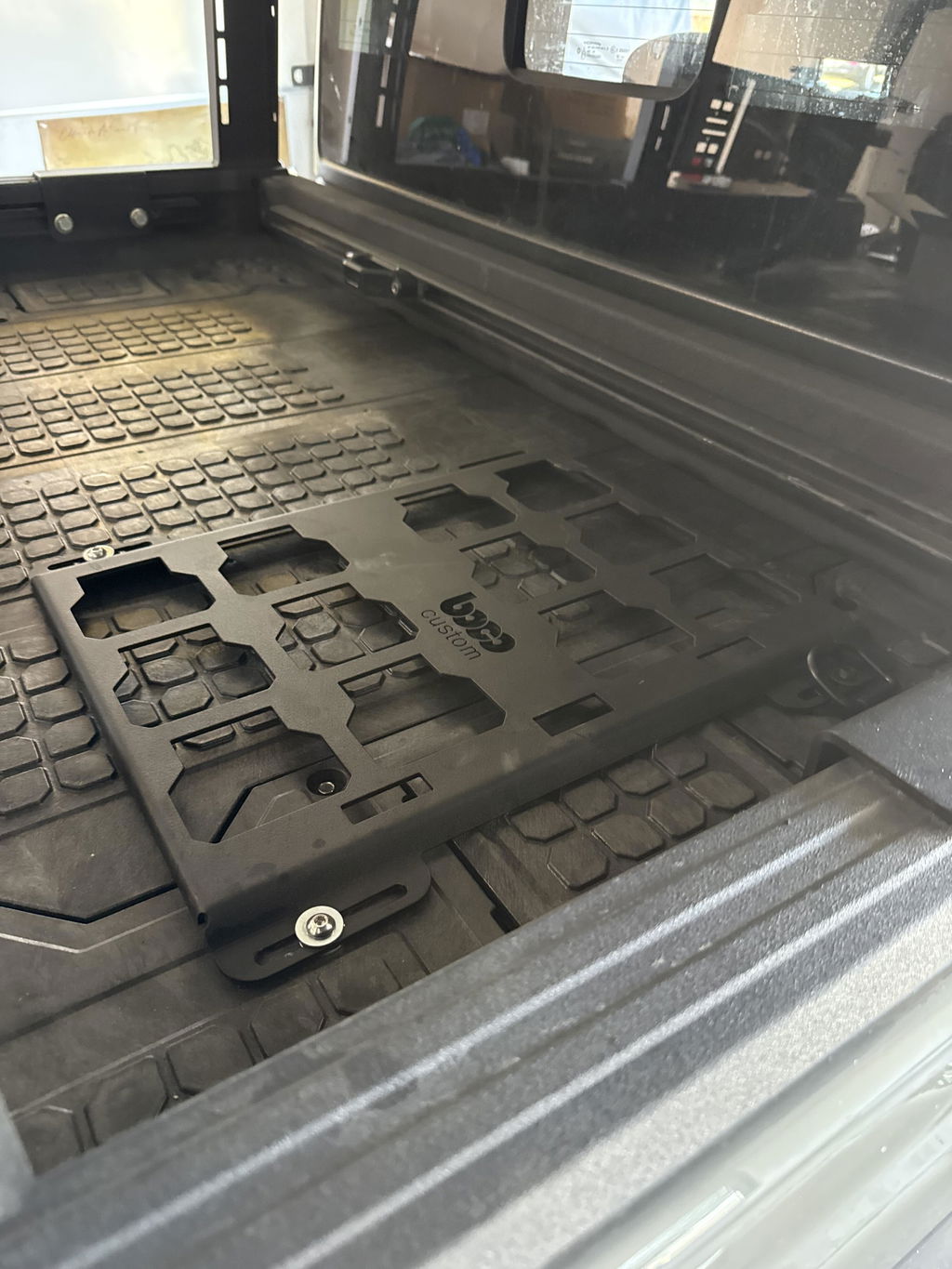
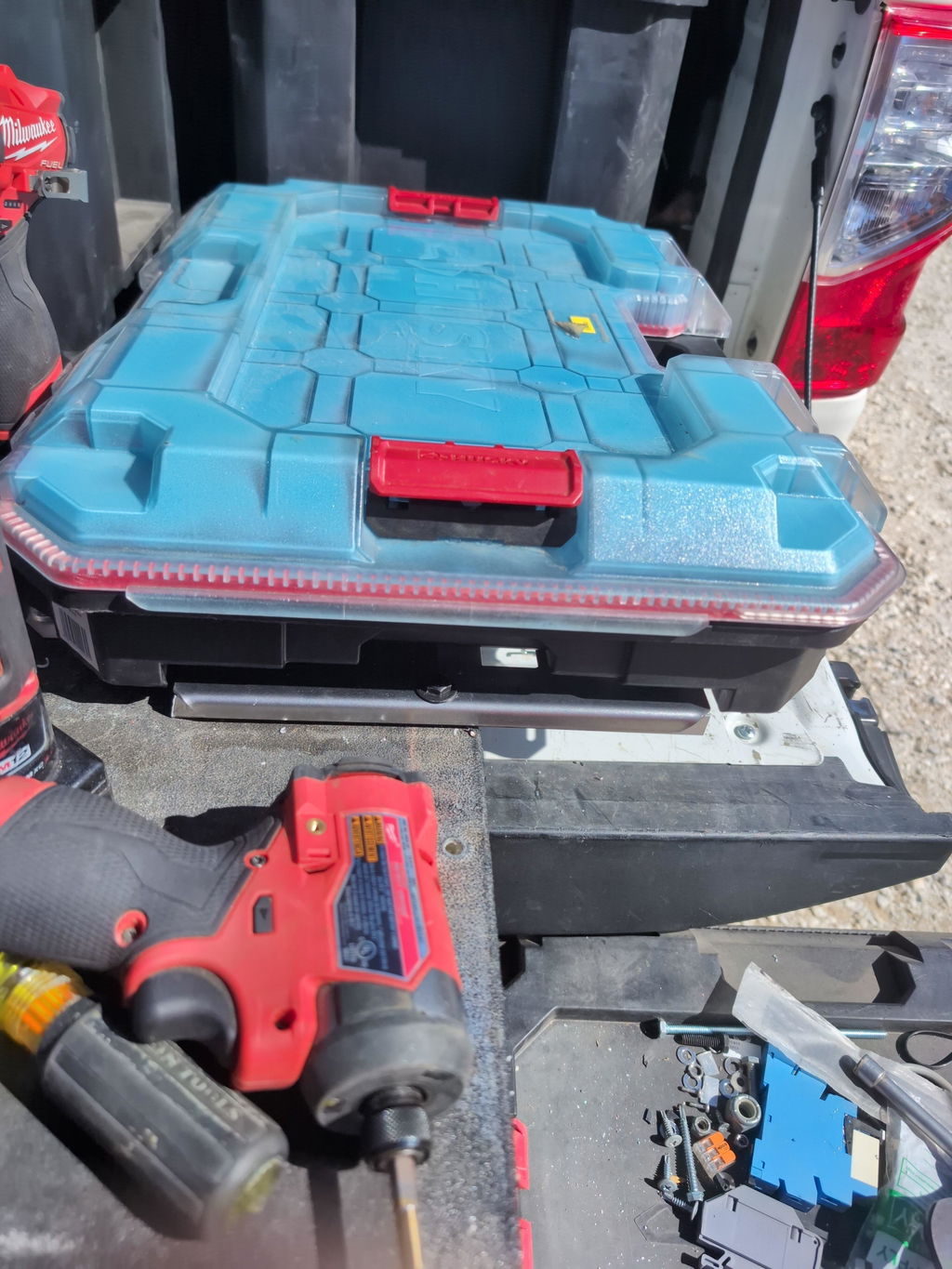
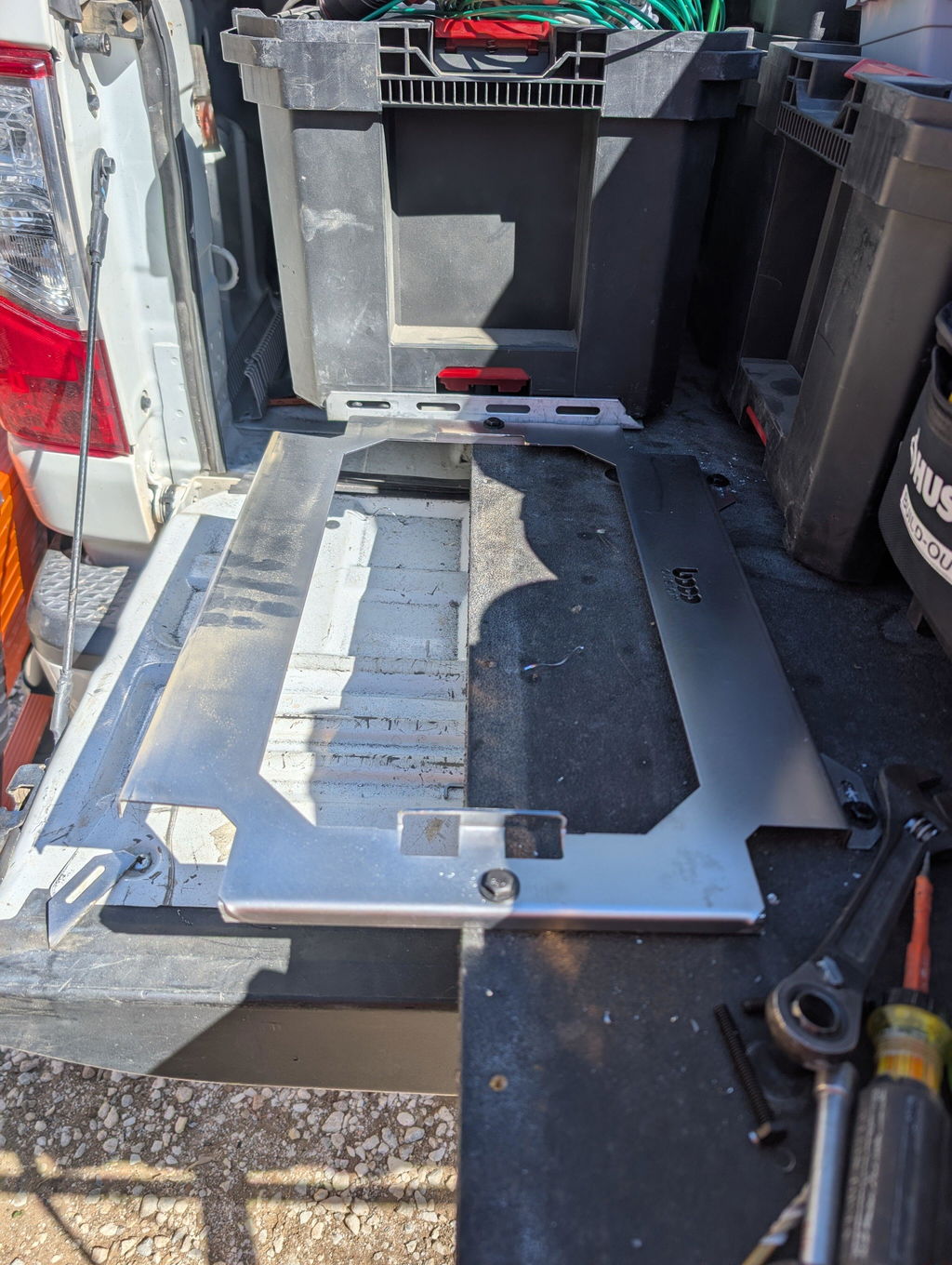
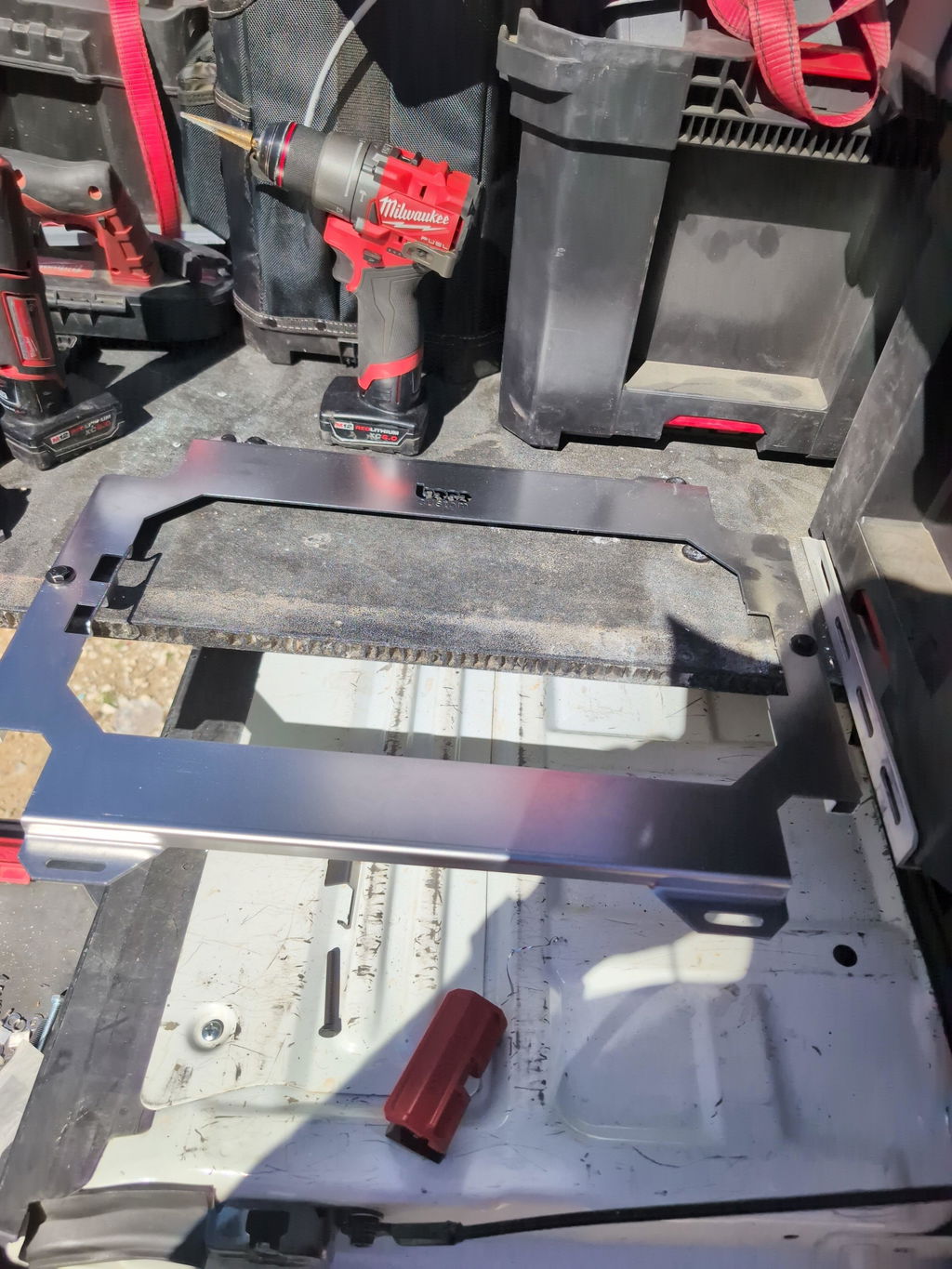
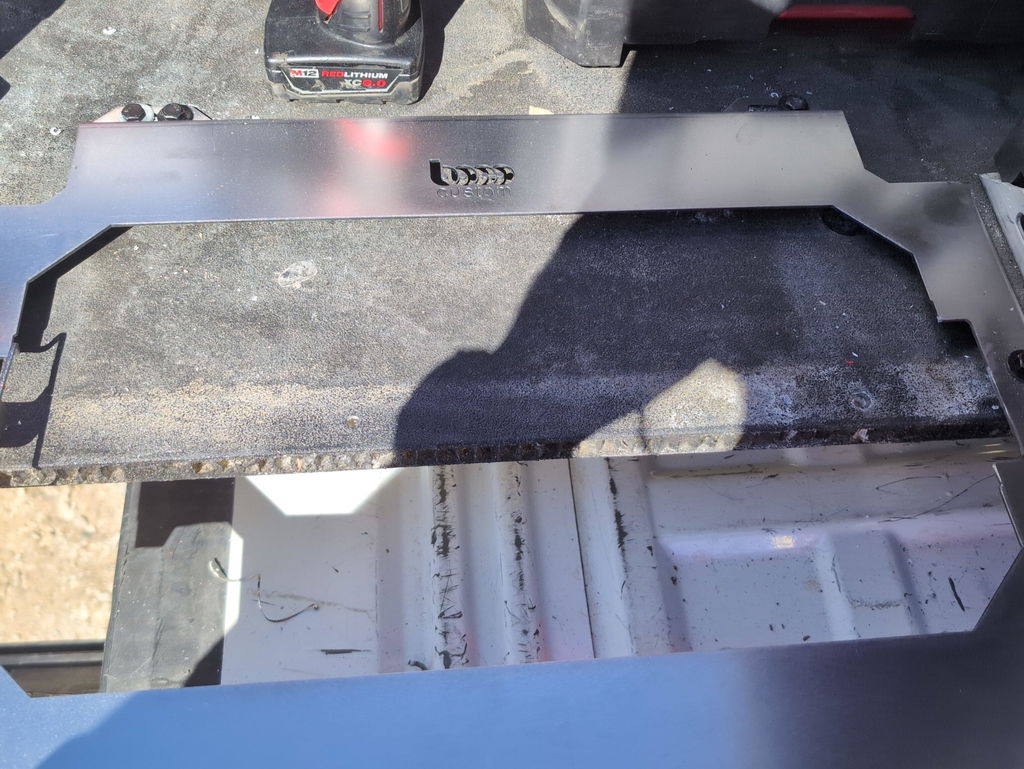
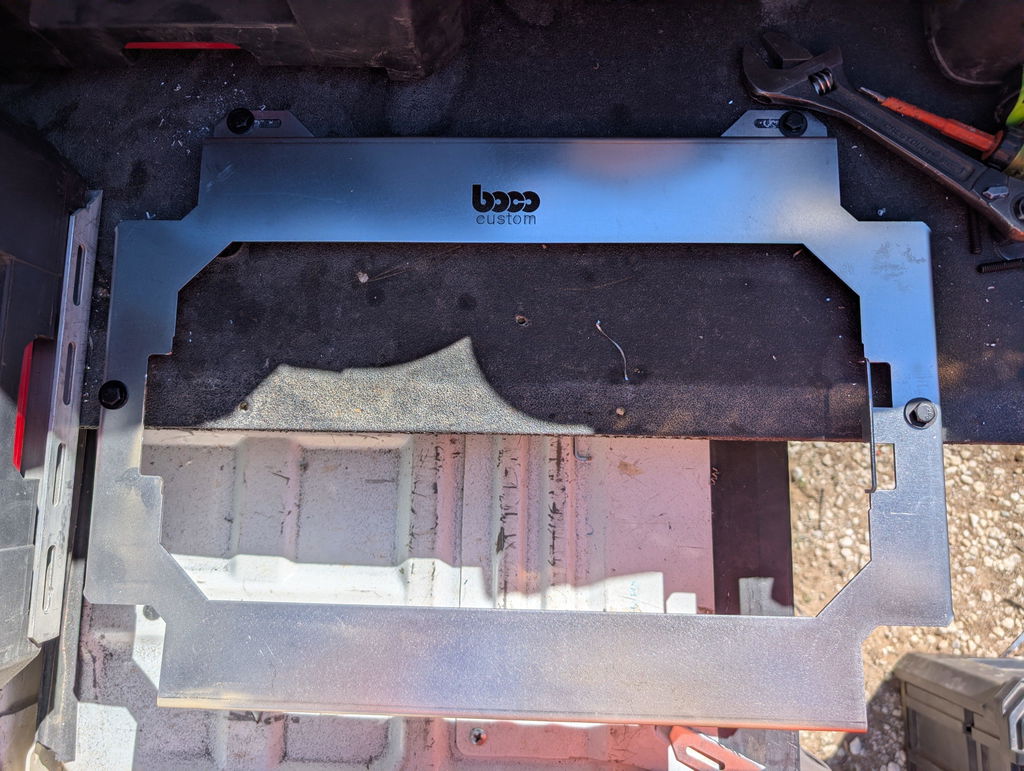
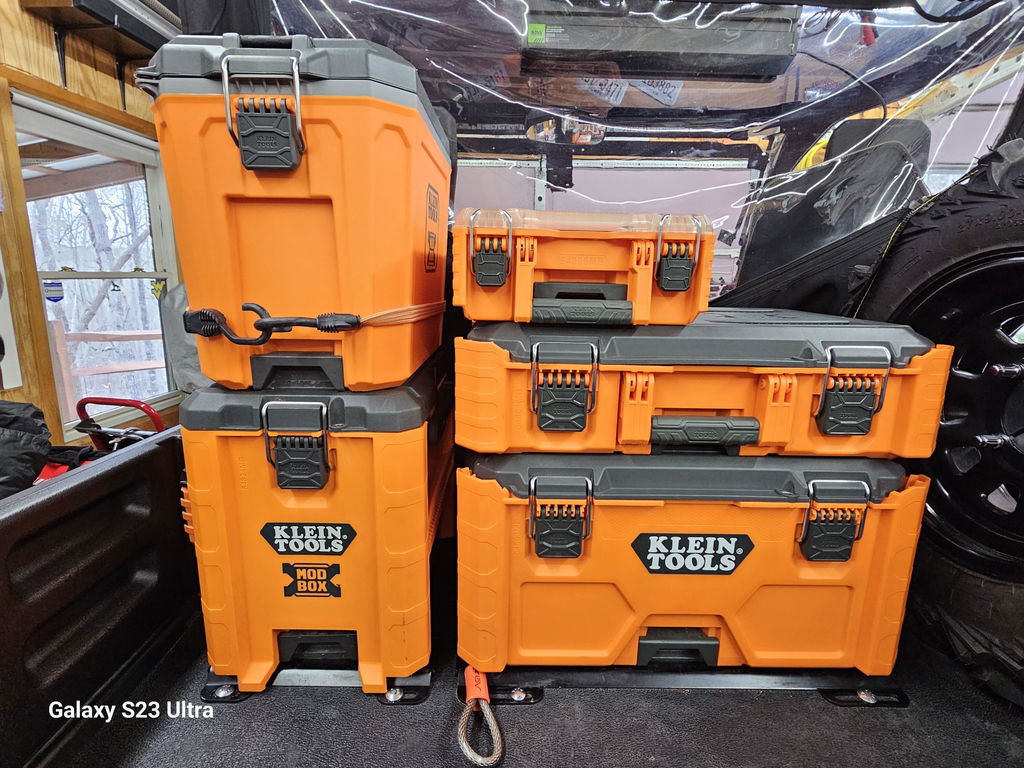
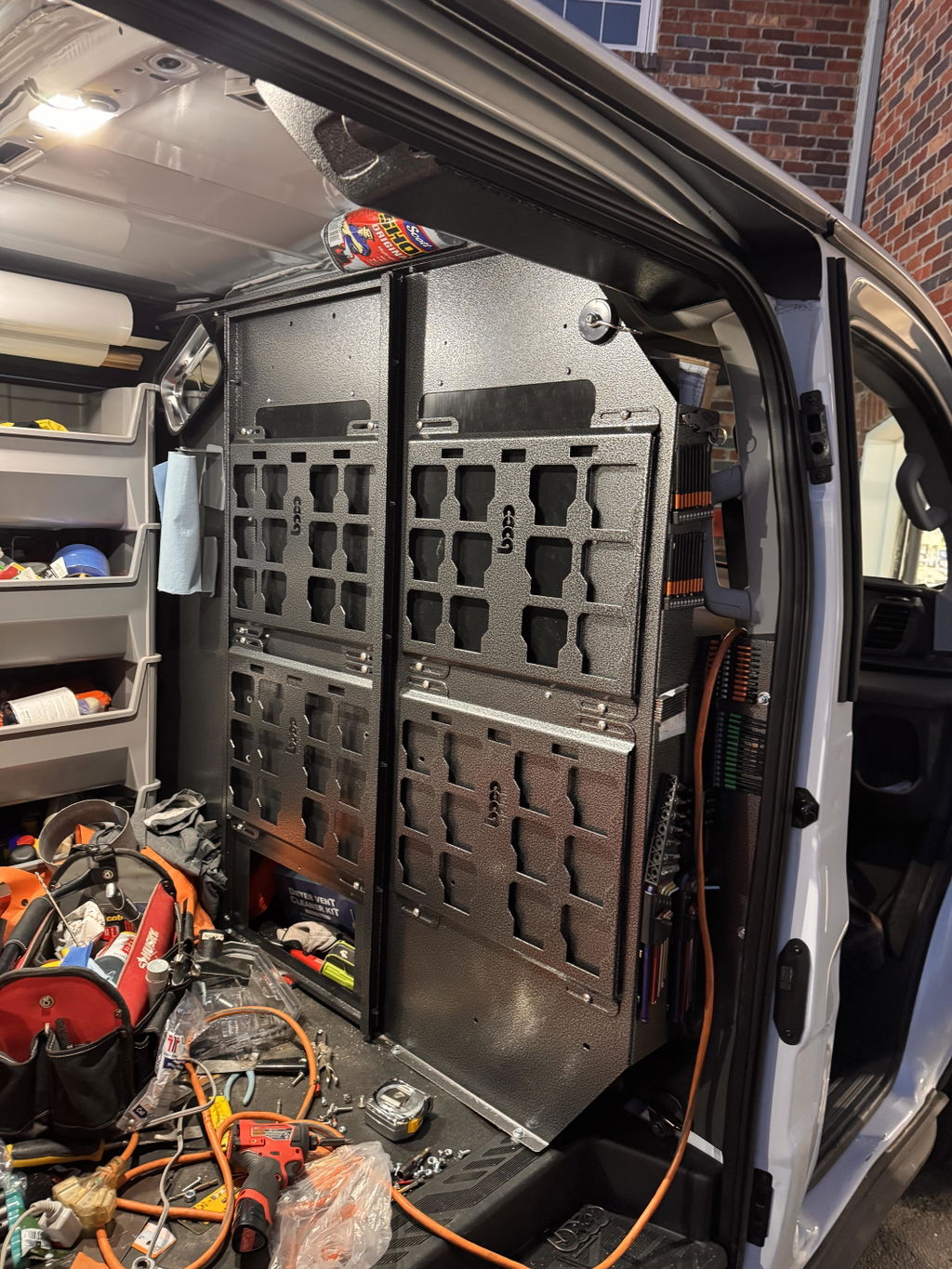
Not only is this way overbuilt for the price with its solid, confident craftsmanship, I am completely convinced that these guys are the best around when it comes to the packout platform.
I like these, they are much more compact than what Milwaukee offers. I had them powder coated in silver vain and they look awesome. I love the bonus half rack they sent me. That’s the mark of a nice company.


Dejar un comentario