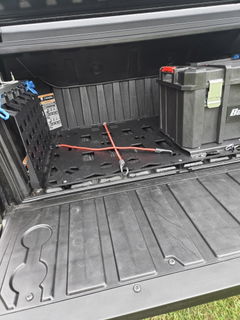
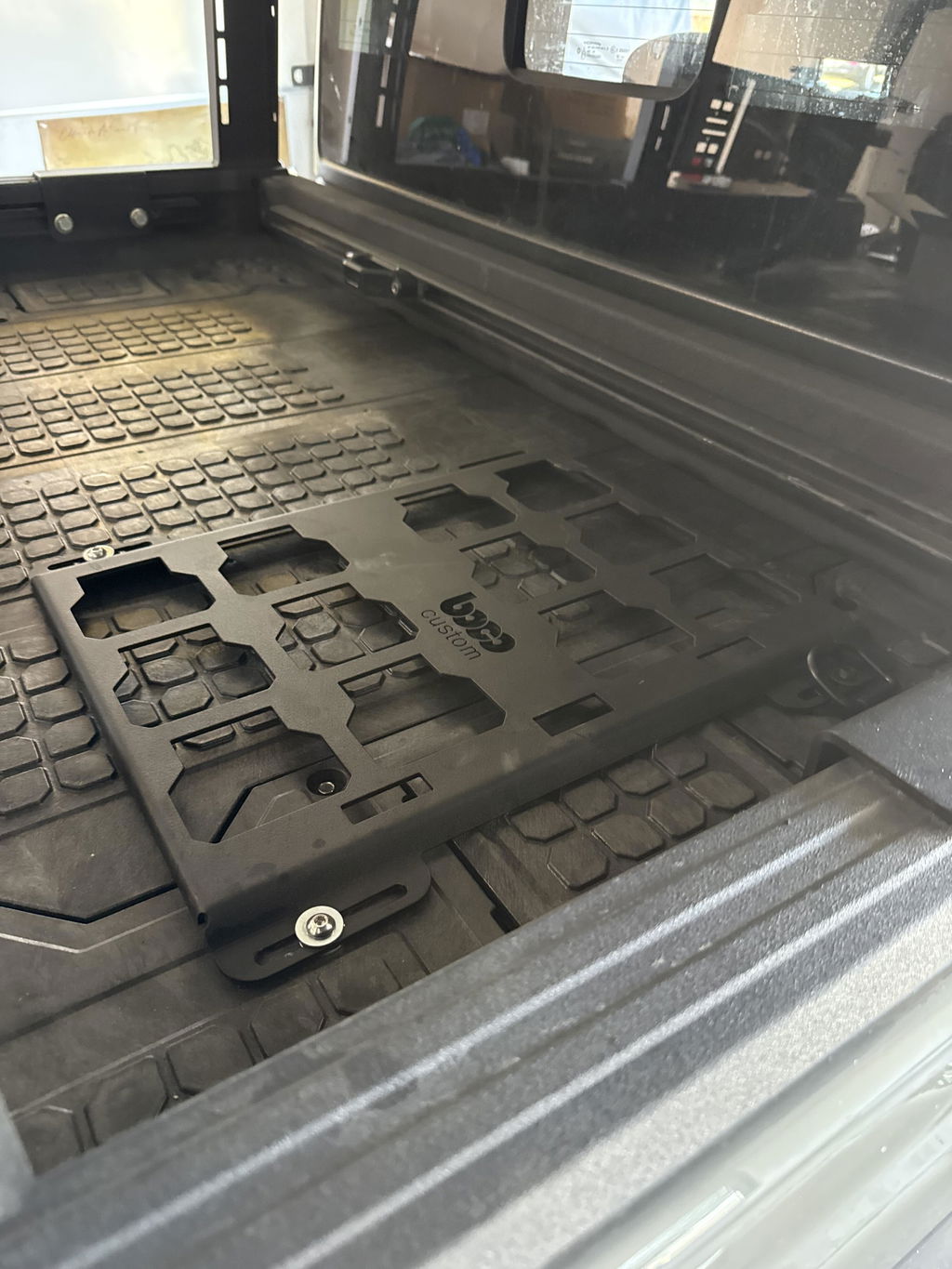
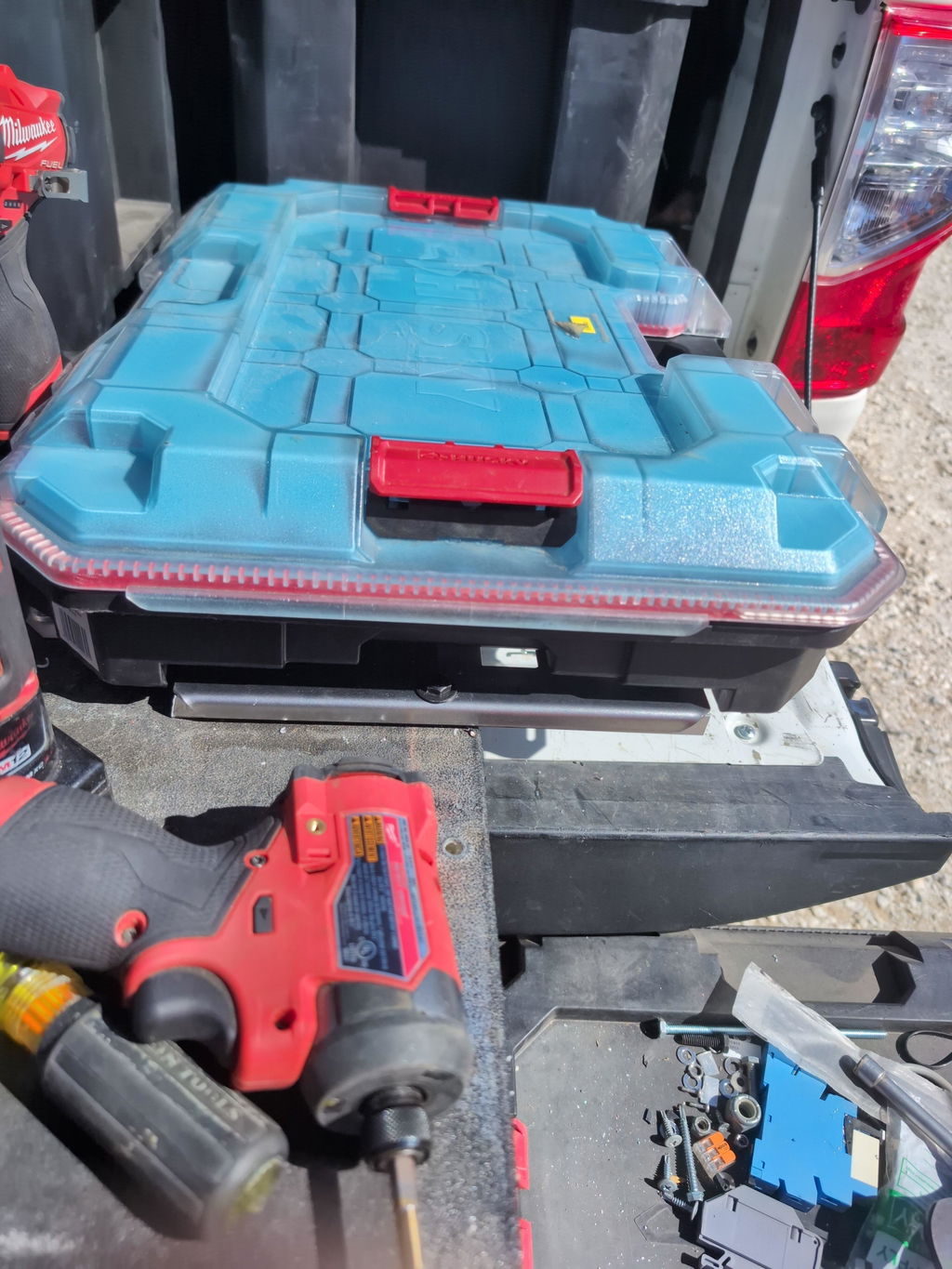
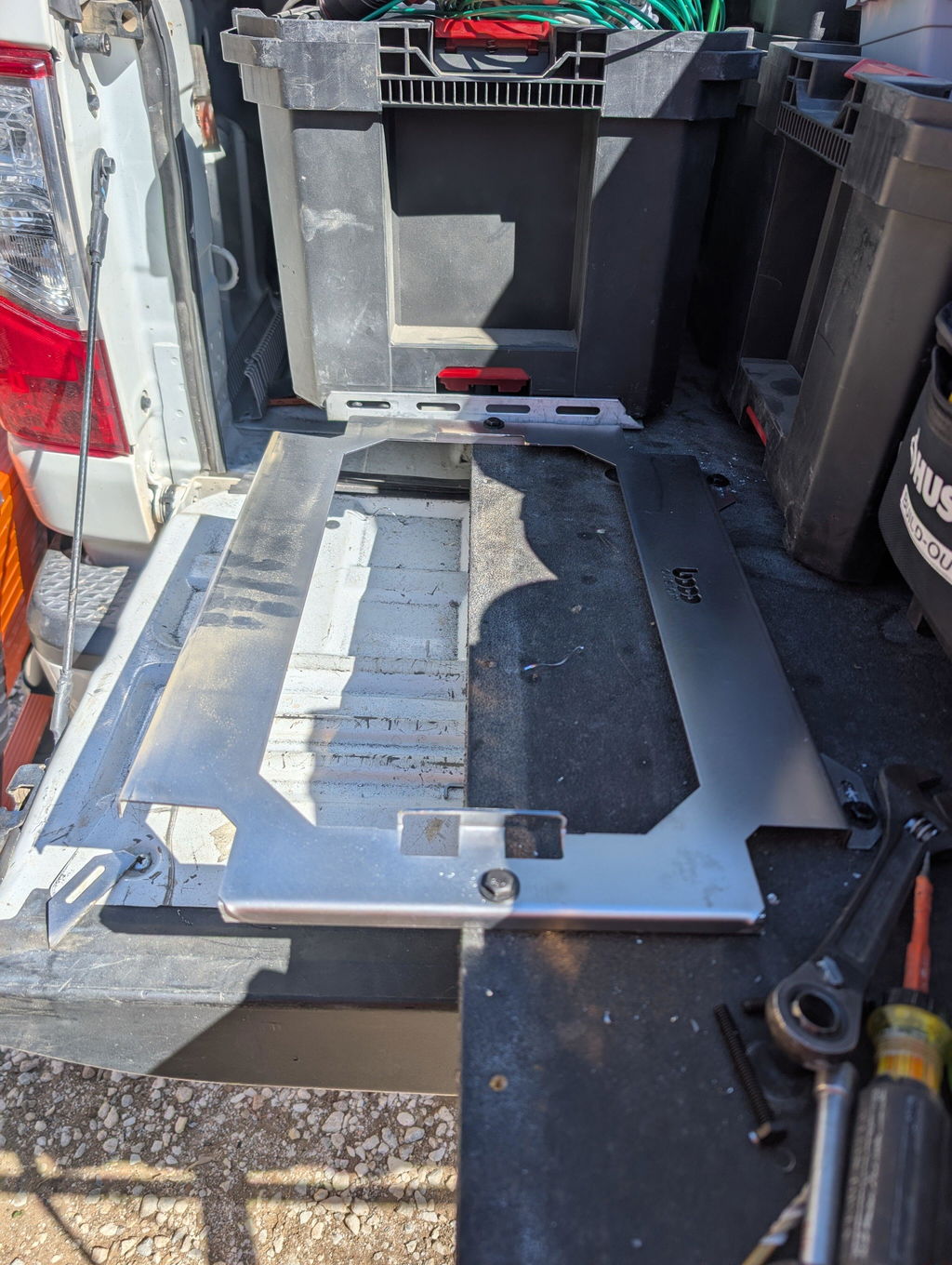
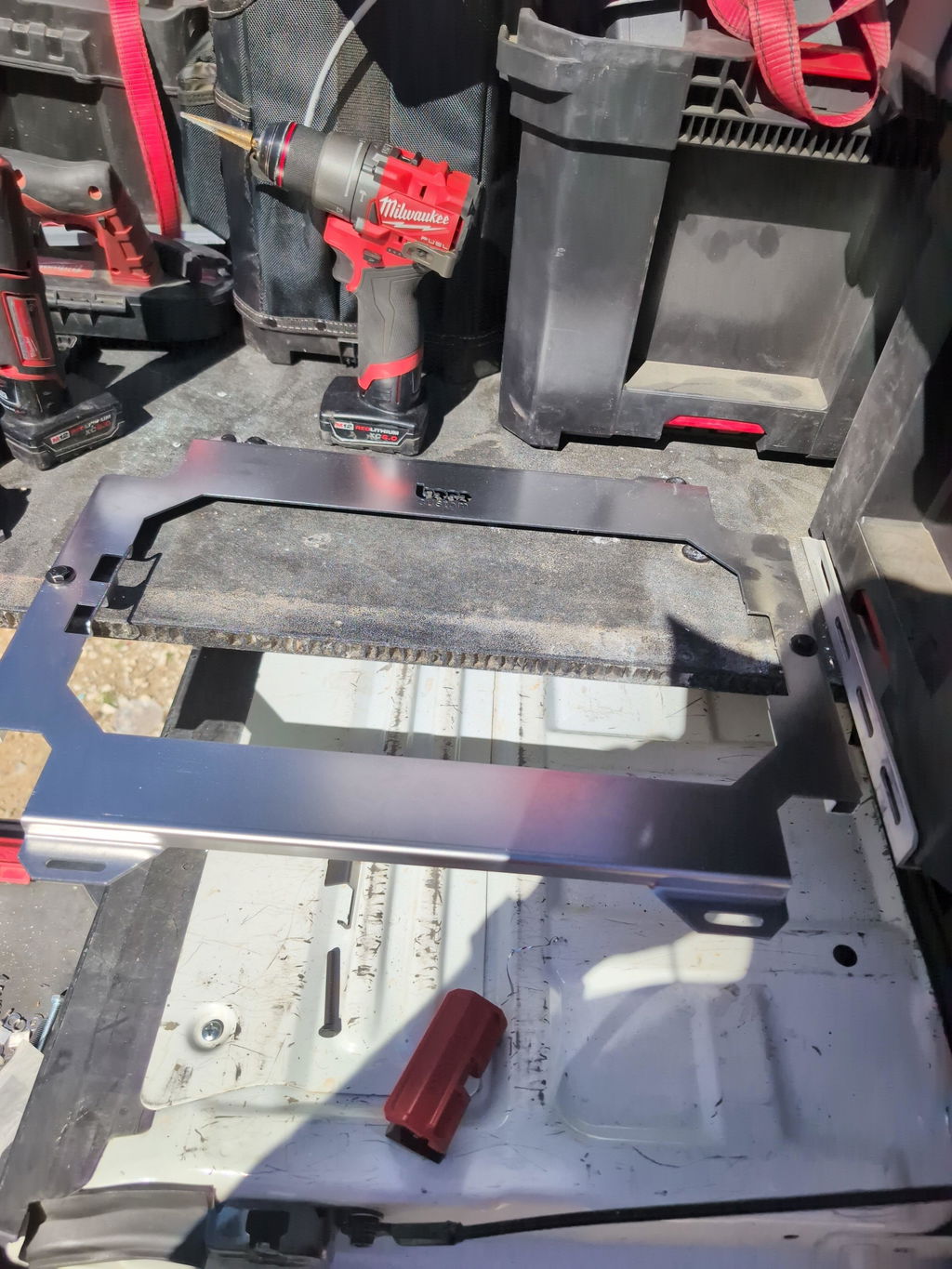
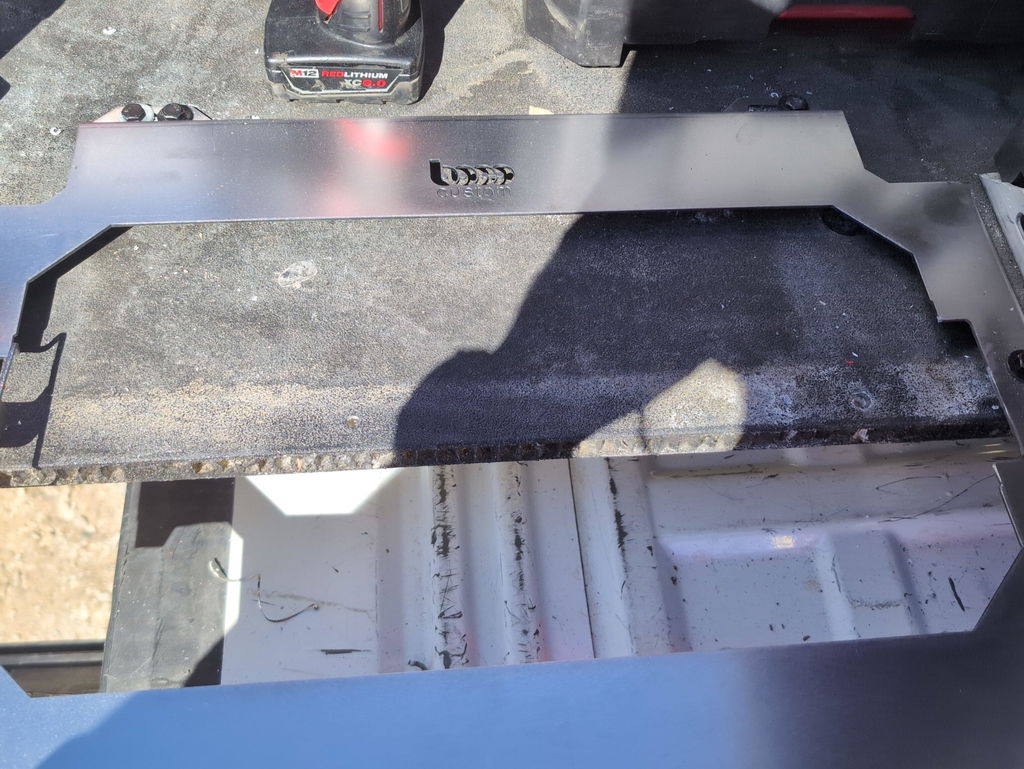
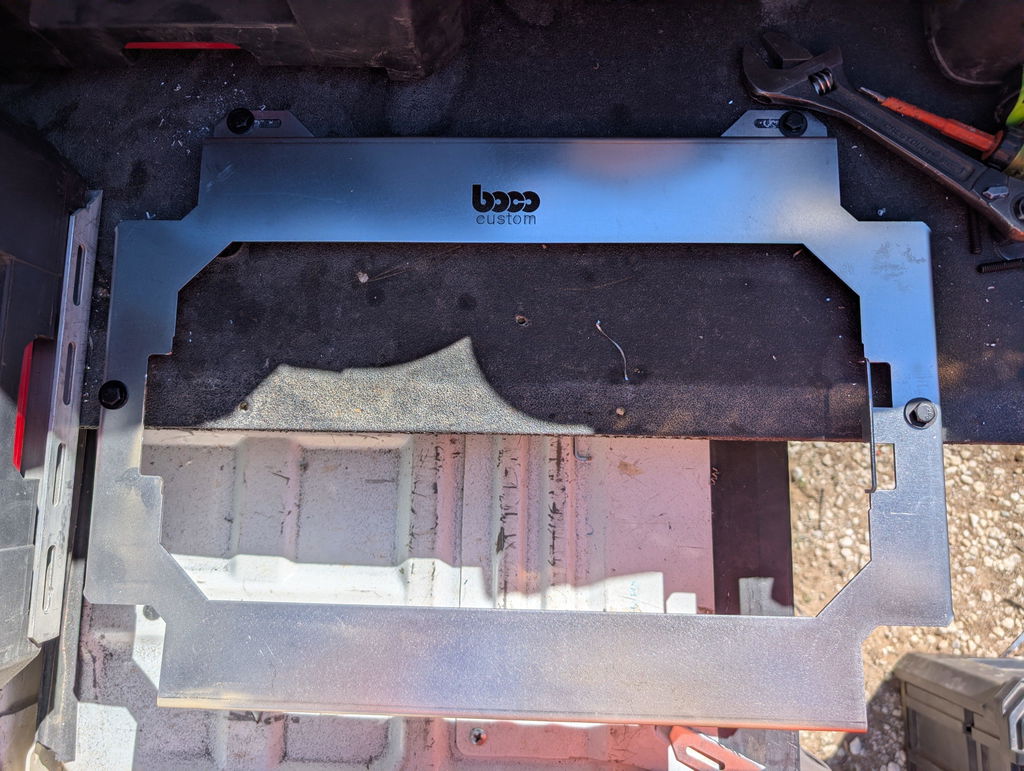
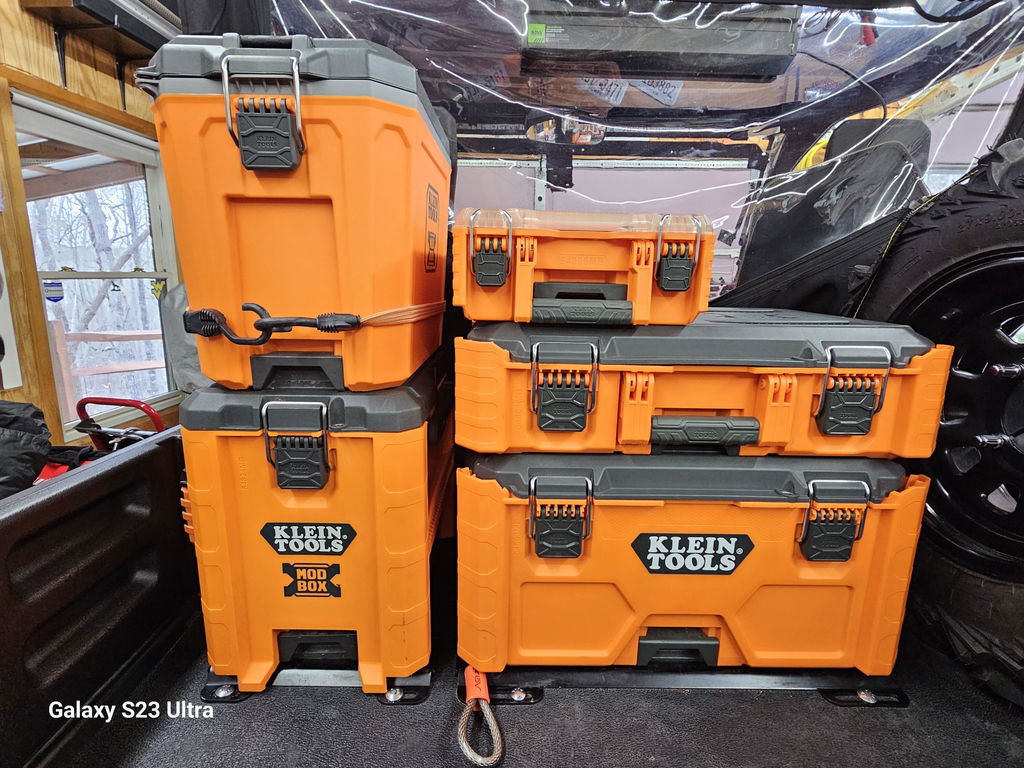
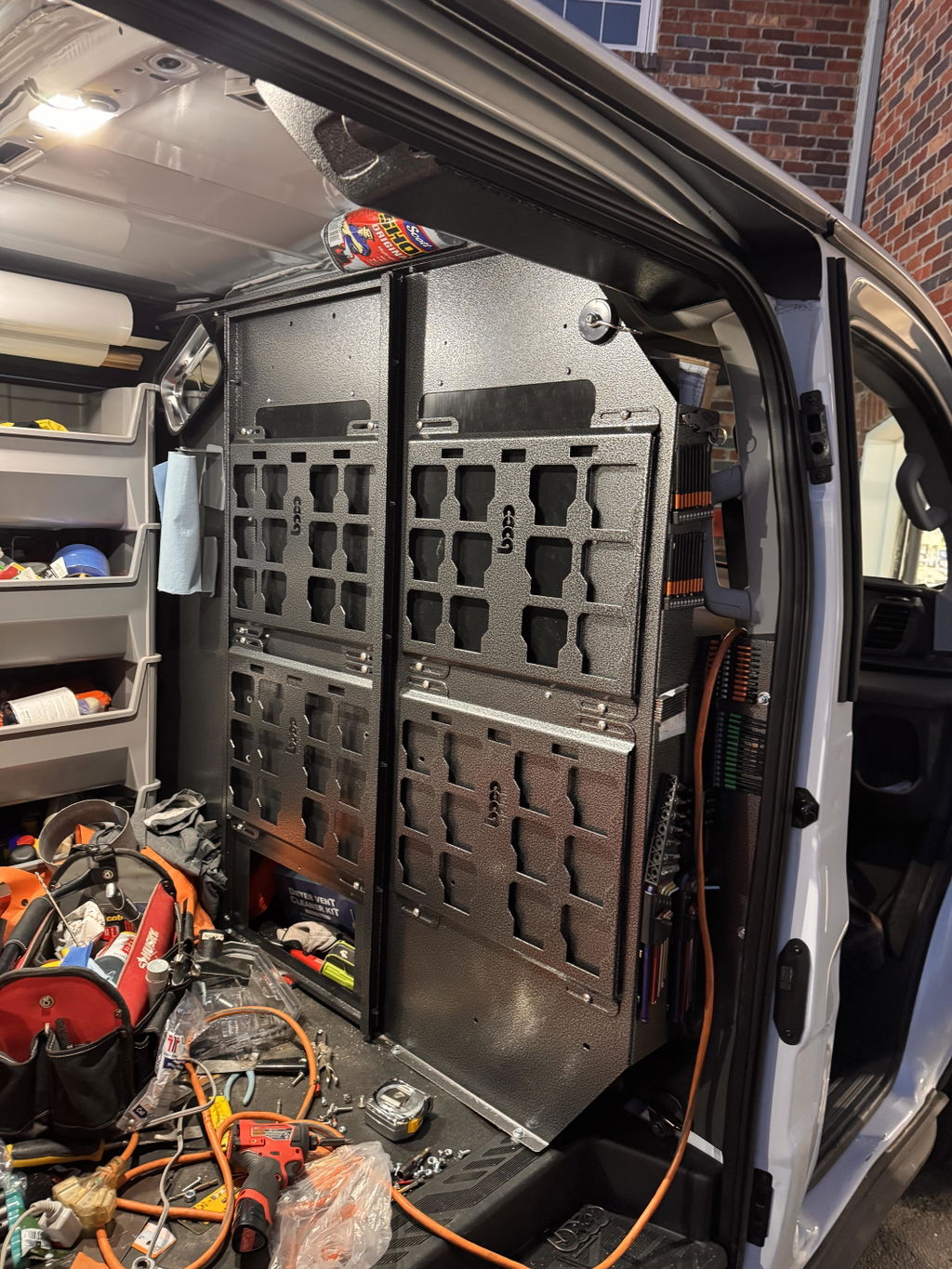
Placa de montaje individual Milwaukee Packout de calibre 10, para trabajo pesado
Precio original
$60.00
-
Precio original
$150.00
Precio original
$150.00
$60.00
$60.00
-
$135.00
Precio actual
$60.00
| /
Sin reseñas
Manufactured with Pride in the USA
Volume Pricing Available
Buying for a fleet or shop? We offer discounted shipping for bulk quantities. Send us a message for a personalized estimate.
¡Solución de capacidad única, resistente y de perfil bajo!
Hemos diseñado y perfeccionado estasolución de perfil bajo y capacidad únicapara una organización óptima.Con una elegante altura de tan solo 1,27 cm,nuestra placa ofrece mucho más espacio debajo de sus herramientas que la marca líder, lo que garantiza un espacio de trabajo optimizado y eficiente. Fabricada enacero de calibre 10y con ungrosor de poco más de 3 mm, esta placa supera con creces a otras placas de montaje del mercado.
Ofrecemos este producto en:
Acero crudo calibre 10, listo para pintar.
Recubierto de polvo negro texturizadopara un acabado duradero que combina con la mayoría de los acabados de molduras.
Acero inoxidable calibre 10para aplicaciones marinas (hecho a pedido)
NUEVO : acero crudo calibre 10 con orificios para pernos de montaje laterales (hecho a pedido)
Nuestro diseño ofrececapacidades de montaje universalesy se puede modificar para adaptarse a cualquier necesidad. Contáctenos para más detalles.
Todaslas placas Compat sefabrican internamente en SoCal.
Mide 16,875 x 8,875 x 0,5 pulgadas.
Tamaño del perno: 1/4"
10-Gauge Steel (0.1345" | Thickness of Two Stacked Dimes)
Best For: Heavy-duty commercial wall mounts, shop workbenches, and massive modular tool stacks.
The Advantage: Extreme structural stiffness. This ultra-thick steel completely eliminates flexing, twisting, and tool rattling, making it the definitive choice for demanding daily job-site use.
12-Gauge Steel (0.1046" | Thickness of a Standard House Key)
Best For: Mobile service vans, enclosed trailers, and standard shop organization layouts.
The Advantage: The ultimate sweet spot between bulletproof strength and smart weight distribution. It handles constant over-the-road vibrations flawlessly without adding unnecessary bulk to your mobile rig.
14-Gauge Steel (0.0747" | Thickness of a Nickel)
Best For: Handheld battery organizers, small tool holsters, and lightweight shelf accessories.
The Advantage: High-tensile rigidity in a streamlined profile. It provides a rock-solid, permanent mount for smaller gear while keeping your workspace layout clean and low-profile.
Best For: Open truck beds, roof racks, exterior trailer sides, and high-moisture environments.
The Advantage: Maximum corrosion resistance with severe weight savings. Shaved pounds keep your mobile fuel efficiency optimized while remaining completely immune to rain, snow, and road salt oxidation.
10-Gauge Stainless Steel (0.1345" | Thickness of Two Stacked Dimes)
Best For: Premium exposed truck bed brackets, marine applications, high-end shop builds, and ultimate weather protection.
The Advantage: Combines the absolute, unyielding structural rigidity of our thickest 10-gauge plate with total lifetime corrosion resistance. It requires no paint or powder coat to stay 100% immune to rust, road salt, and harsh outdoor elements.
Note: Sheet metal gauge numbers run inversely—the lower the gauge number, the thicker and more rigid the actual metal substrate is.
We fabricate our mounting solutions and accessories using commercial-grade materials built for harsh environments. Choose the right finish for your build and review our care recommendations below:
Raw Steel
Overview: Shipped bare and untreated directly from fabrication. Ideal for custom painting, powder coating, or welding into custom racks.
Appearance: May feature light mill scale, surface scuffs, or minor flash rust upon delivery, which is standard for raw metal stock.
Care & Maintenance: Raw steel will rust when exposed to moisture, humidity, or air. We strongly recommend surface preparation (sanding/cleaning) and applying a coat of paint, clear coat, or powder coat prior to installation.
Powder Coated
Overview: Finished with a heavy-duty, thermo-fused polymer coating engineered for extreme wear, corrosion resistance, and UV protection.
Appearance: Smooth, professional, and uniform matte/satin black finish ready for immediate installation out of the box.
Care & Maintenance: Clean using warm water, mild dish soap, and a soft microfiber cloth. Avoid solvent-based chemicals (such as acetone or paint thinner) or abrasive scrubbers, as these can wear down the protective coating. Touch up deep gouges or scratches promptly to preserve the underlying metal.
Raw Aluminum
Overview: A premium, lightweight option offering maximum natural rust resistance. Ideal for outdoor truck beds, work vans, and marine applications.
Appearance: Bare metal with a clean industrial look. Naturally forms a thin protective oxide film to prevent deep corrosion. Light surface grain or manufacturing tool marks may be present.
Care & Maintenance: Completely rust-proof. Maintain by washing with standard automotive soap and water. If desired, restore or brighten the bare surface over time using a standard aluminum polish.
Raw Stainless Steel
Overview: Engineered for maximum structural strength, severe weather resistance, and high chemical tolerance.
Appearance: High-grade, bare metal finish providing a clean, rugged aesthetic without requiring additional coatings or paint.
Care & Maintenance: Highly low-maintenance and naturally corrosion-resistant. Clean with soapy water or a dedicated stainless steel cleaner to remove grease, road grime, and fingerprints.
What is Proposition 65?
Proposition 65 (officially known as the Safe Drinking Water and Toxic Enforcement Act of 1986) is a California law that requires businesses to provide a warning to California consumers if their products contain chemicals known to the State of California to cause cancer, birth defects, or other reproductive harm.
These warnings are required even if the chemical is present in incredibly low amounts that may not pose any significant risk to your health.
California Proposition 65 Warning
⚠️ WARNING: Products sold on this website can expose you to chemicals including lead, nickel, chromium, or other phthalates, which are known to the State of California to cause cancer and birth defects or other reproductive harm. For more information, go to www.P65Warnings.ca.gov.
Why is this warning on my order?
Because BOCO Custom LLC ships products nationwide, we include this warning to ensure full compliance with California law. A Proposition 65 warning does not mean a product is unsafe or defective; it simply means the product contains a trace amount of a regulated substance. We prioritize the safety of our customers and provide this information so you can make informed purchasing decisions.
FAQ
What's the difference between metal types?
Mild Steel — our most common and go-to option: heavy, strong carbon steel that's affordable and versatile for heavy-duty applications (available in gauges like 10, 11, 12, 14).
Stainless Steel (like 304 or 316 grades): premium upgrade with excellent corrosion resistance — won't rust easily, even in wet, outdoor, or marine environments; durable with a shiny, attractive finish, but heavier and more expensive.
Aluminum (like 5052 alloy): lightweight (about 1/3 the weight of steel), naturally rust-resistant, easy to form, and great for weight-sensitive projects; excellent strength-to-weight ratio, ideal when you want no-rust performance without the heaviness of steel.
Which finish should I choose?
Raw Steel — bare metal, lowest cost, quickest; needs protection to prevent rust.
Powder Coat — durable textured black finish; excellent rust/chip resistance for long-term use.
Stainless and aluminum ship with natural mill finishes (no rust concern) and can be powder coated on request. Check product pages for exact availability by metal and gauge.
What do gauge numbers mean?
Gauge numbers measure the thickness of sheet steel. Lower numbers = thicker material. A higher gauge number means thinner steel.
How do I choose the right gauge for my project?
Choose thicker gauges (10 or 11) for heavy-duty strength, structural parts, or high-load applications. Example: Using the plate on a horizontal application such floor or dolly.
Choose thinner gauges (14) for lighter-weight parts, panels, or where cost matters more. Ideal for vertical applications suck as wall or bedside mount.
Why does gauge go backward (lower number = thicker)?
The gauge system originated from the number of draws needed to produce wire/sheet of that thickness. Fewer draws = thicker material = lower gauge number.
5 stars: 2 (100%)
4 stars: 0 (0%)
3 stars: 0 (0%)
2 stars: 0 (0%)
1 star: 0 (0%)
A
Aaron B. (United States)
Powder Coat Black / Standard Top & Bottom
I bought this to mount on my SXS.
I bought this to mount on my SXS and the website gave me the measurements I needed including the mounting holes. The other important feature is it only being 1/2" high. The mount seems to be heavy duty and thick enough that the box doesn't move around that much. Pleased with the product.
Hi Aaron, we're thrilled to hear you're pleased with the heavy-duty packout mount! Thanks for sharing your experience and for choosing BOCO Custom LLC. Enjoy your SXS setup!
Jessica
K
Kenneth B. (United States)
Raw/Uncoated / Standard Top & Bottom
This product is AMAZING CRAFTSMANSHIP!!!! You
This product is AMAZING CRAFTSMANSHIP!!!! You can’t go wrong going with this company!!!
Dewalt ToughSystem 2.0 DXL Mounting Plate, Heavy Duty, Lockable
Cailin C.
Super nice and well built
Super nice and well built. Definitely worth the money!
Milwaukee Packout Full-Width Heavy-Duty Mount
Aaron B.
I bought this to mount on my SXS.
I bought this to mount on my SXS and the website gave me the measurements I needed including the mounting holes. The other important feature is it only being 1/2" high. The mount seems to be heavy duty and thick enough that the box doesn't move around that much. Pleased with the product.
Not only is this way overbuilt for the price with its solid, confident craftsmanship, I am completely convinced that these guys are the best around when it comes to the packout platform.
I like these, they are much more compact than what Milwaukee offers. I had them powder coated in silver vain and they look awesome. I love the bonus half rack they sent me. That’s the mark of a nice company.